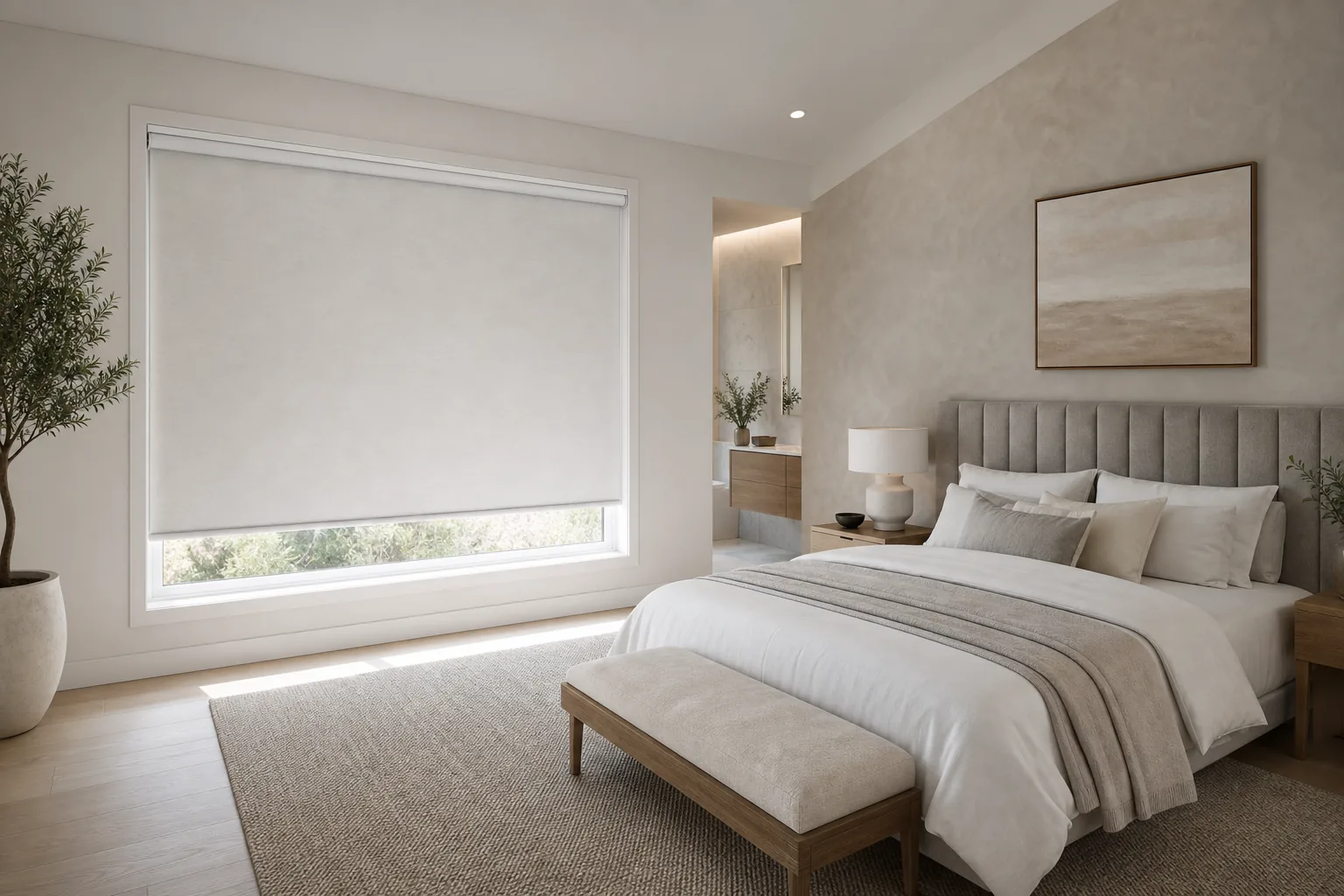


Start with the privacy and light you want in the room.

Blocks light passing through the fabric and gives night-time privacy. Ideal for bedrooms. Light can still enter around the edges of a conventional roller blind.

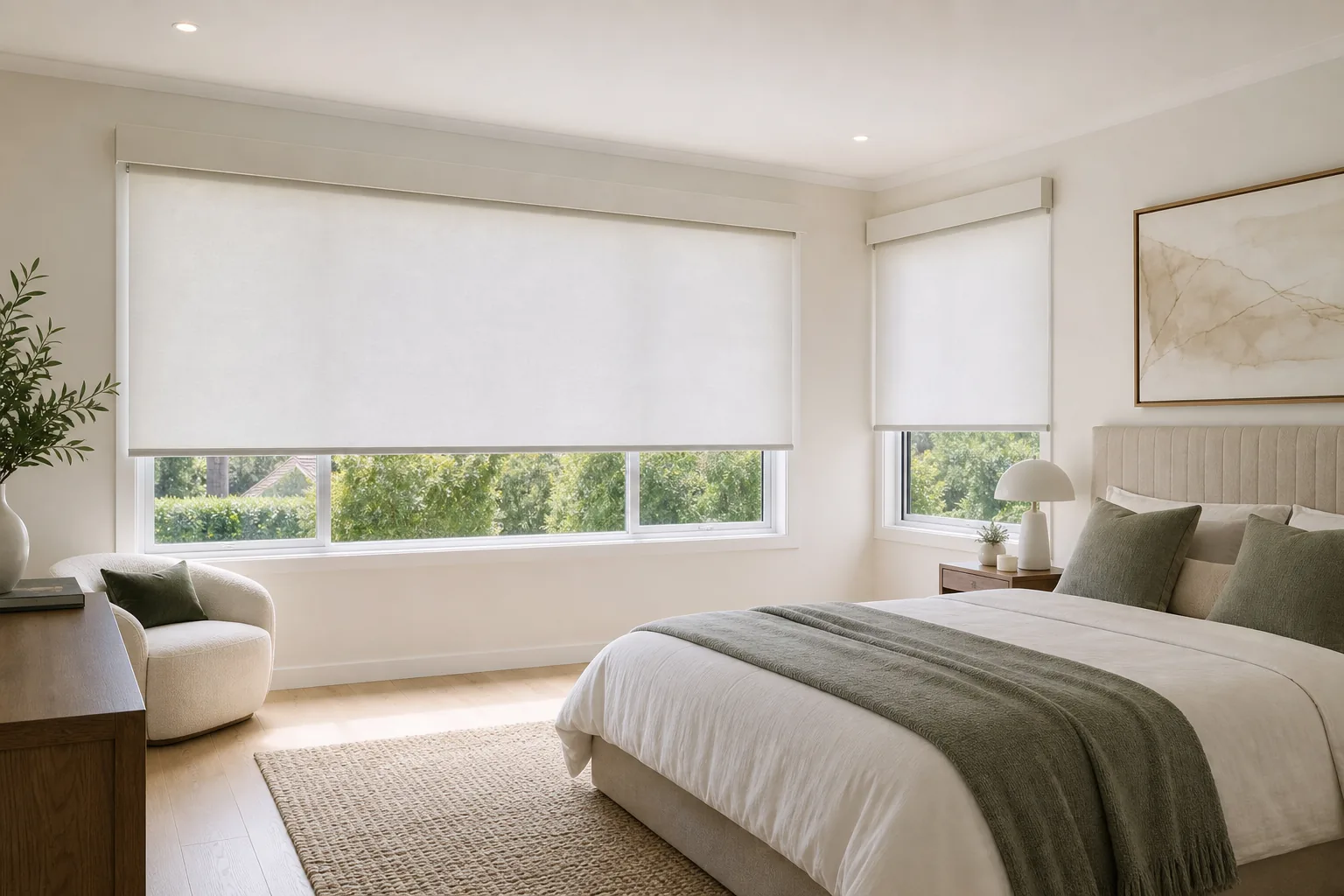
Softens glare while retaining a view during the day. With lights on indoors at night, a screen fabric does not provide the same privacy.

Diffuses daylight and obscures the view. Silhouettes may be visible at night when the room is lit.
The mounting position affects the appearance, clearance and light gaps.
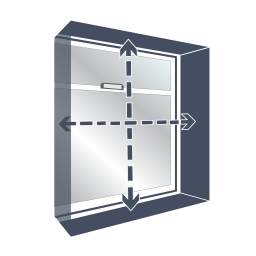
Fits inside the window opening for a clean, discreet finish. Allow for the depth of the brackets and any winders or handles. Small gaps remain beside the fabric.
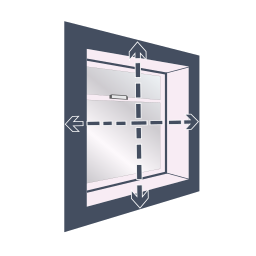
Fits over the window opening. It can cover more of the opening and help clear recess obstructions. Follow the face-fit measuring instructions.
Use the measuring guide before entering your width and drop. Do not make your own manufacturing deductions.
A conventional recess-fit roller blind has a fabric gap of approximately 15–20 mm at each side for its brackets and mechanism. If stronger light control matters, consider a face fit, curtains over the sides, or the suitable cassette system.
Choose the finish that suits your window and its clearances.
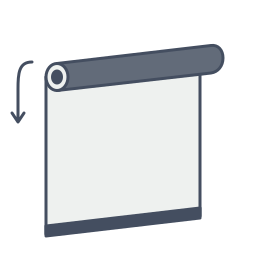
The fabric falls from the back of the tube, closer to the glass. This helps minimise the gap between the fabric and the window.
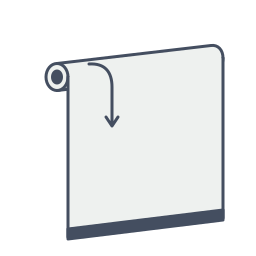
The fabric falls over the front of the tube. It conceals more of the roll and can help clear handles or winders, but sits farther from the glass.
With a standard roll, the backing is visible around the top of the tube. A white-backed fabric may contrast with its room-facing colour. Front rolling conceals the roll and may clear handles, while standard rolling keeps the cloth nearer the glass.
Measure each window individually, even when the windows look the same size.
Recess-fit and face-fit measurements are taken differently. Follow the instructions for your selected mounting position.
Width runs horizontally. Drop runs vertically. Use millimetres and check both numbers before continuing.
Follow the linked-blind measuring section for the widths and layout. Keep a note of each blind’s position.
Linked brackets reduce the gap between neighbouring roller blinds.
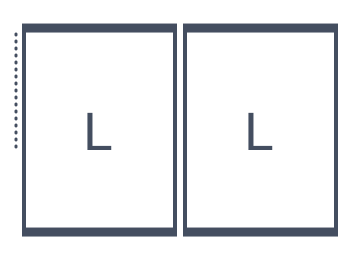
The diagram is read from left to right, looking at the blind from inside the room. L and R indicate the control arrangement for that blind.
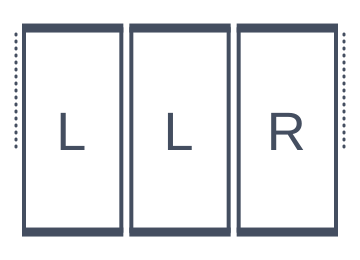
Choose the configuration that matches your window, then enter the additional widths shown in the form. The available layouts depend on the control you select.
Consider sliding doors and the parts you want to open independently. Keep the same configuration when checking your measurements.
Use the available controls shown for your size and configuration.
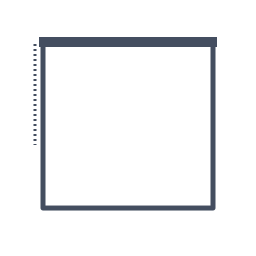
The Australian-designed SunBoss system uses a chain on the chosen side of the blind. Larger blinds include spring assistance to make them easier to operate.

ZeroGravity® is a cordless, spring-balanced control. Raise or lower the blind by its base rail and release it at your preferred height—the blind stays wherever you leave it. It can handle blinds up to 3 metres wide × 3 metres drop. There is no hanging operating chain.
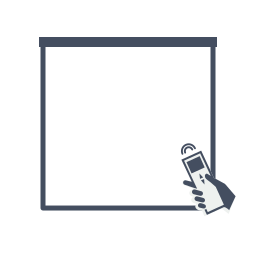
Choose from the motor options offered for the selected blind. Remote, charger and smart-hub choices appear where applicable.
Select the power and control system that suits the installation.
The rechargeable Silent Glide motor can be installed without mains wiring. One battery motor does not drive several linked blinds. The available independent battery layout uses a separate motor for each blind.

Powered from the mains and installed by a licensed electrician. The live guide specifies support for up to three linked blinds with a combined width of 6 m. The available configuration must also suit your blind sizes.

For an existing compatible C-Bus home-automation system. A licensed electrician must connect the mains supply and integrate the controls. C-Bus motors do not use the ordinary RF remotes or RF smart-hub setup.
A channel can operate a single blind or a group that moves together.
A compact choice for a small number of blinds or a double-roller arrangement.
Gives more scope to organise blinds by room or fabric type. Several motors assigned to one channel operate together.
The current live guide describes a white remote with a piano-lacquer finish and USB-C charging.
Choose no remote only when you already have a compatible way to operate and set up these motors.
A compatible hub adds app and voice control to supported motors.
Use the compatible hub and app to control blinds, create rooms and groups, schedule individual or grouped movements, and share access with your household. The live guide includes Amazon Alexa and Google Home voice control.
Check compatibility with the selected motor and keep the remote needed for initial motor setup. A hub does not replace the motor’s power supply.
The app supports scenes and triggers such as a timer, sunrise or sunset, weather and your arrival or departure. Availability depends on the compatible hub, motor and app setup.
Choose the compatible charger for your battery motor.
Include a charger if you do not already have a compatible one.
Check the motor and charger model before reusing a charger. A hardwired motor does not need a battery charger.
Match the chain to your fabric, hardware or surrounding interior.
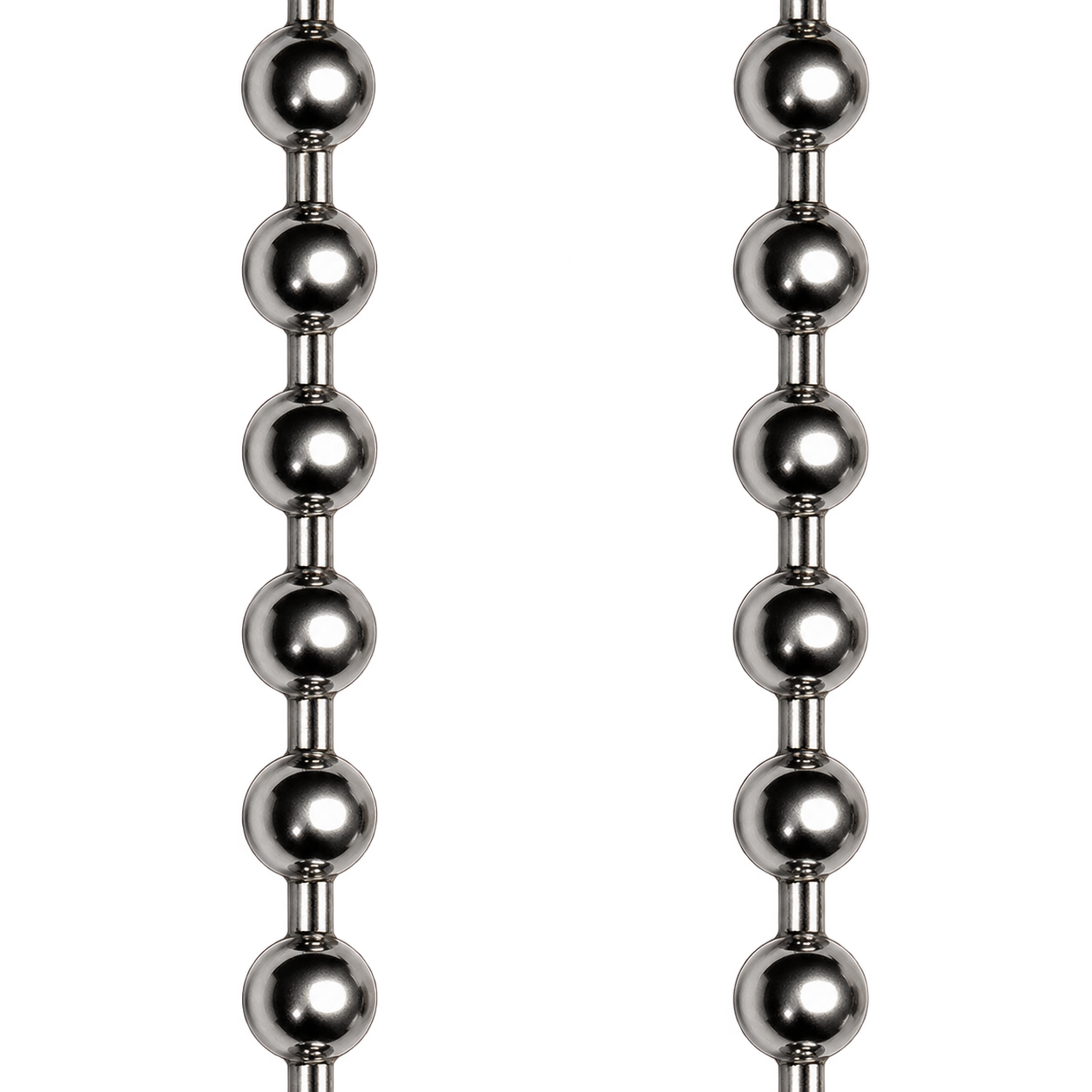
The standard metal chain has a metallic finish. For coastal homes or areas exposed to salty air, choose stainless steel for greater resistance to rust and corrosion.
Stainless steel is more resistant to rust and corrosion than the standard metal chain, making it the recommended option for coastal areas. It is selected separately under Chain Colour.
White, Birch, Beige, Grey and Black can blend with your fabric, hardware or surrounding trim.
Choose a bracket and component colour that sits comfortably beside the fabric and window.
White is a common choice with lighter fabrics. You can also coordinate with the trim, architrave or surrounding room.
Look at your samples in the room where the blind will be installed; screen colours are an indication.
The aluminium roller tube is selected to suit the width and drop of your blind.
The optional upgrade appears when the blind would otherwise use a 38 mm tube. Upgrade to 50 mm to match a larger neighbouring blind. If the upgrade is not offered, the blind uses the 50 mm tube.
Where smaller and larger blinds sit together, matching the tube size gives a more uniform appearance.
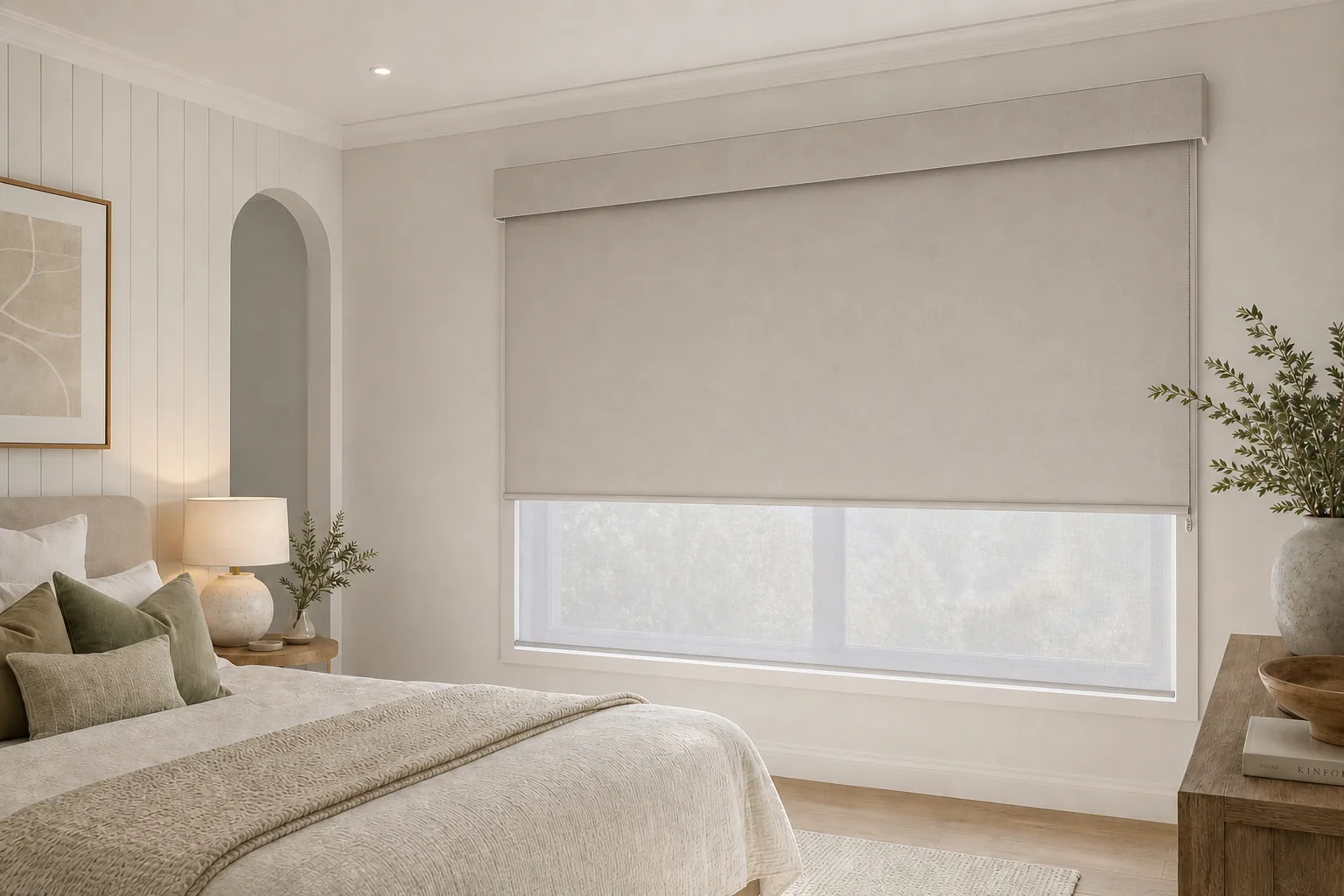
A decorative fascia conceals the roller hardware for a more finished appearance.
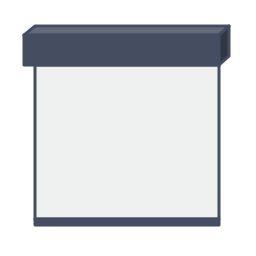
A fascia covers the front of the hardware. It is different from a fully enclosed blockout cassette and does not eliminate every light gap. The dark horizontal cover across the top is the decorative fascia. The blind fabric hangs beneath it.
The fascia options depend on the blind and mounting arrangement. Follow the measuring instructions for the selected system.
The decorative fascia is ordered with the roller blind and has its own matching brackets and side covers. The live system is for face fitting. Measure using the face-fit guide; manufacturing allowances are handled when the blind is made.
A cassette and side-channel system addresses light leakage around a single roller blind.
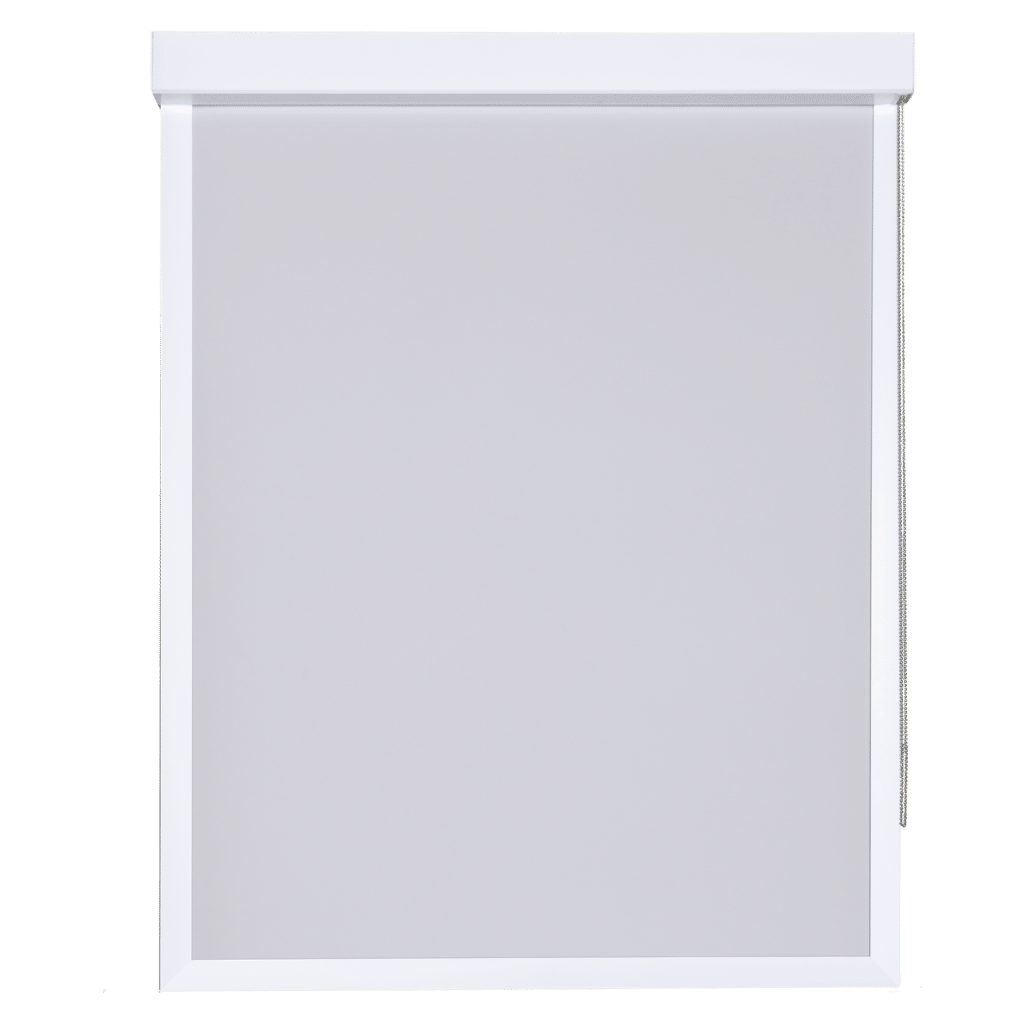
Choose blockout fabric for the light-blocking surface. The enclosure and channels address the surrounding gaps.
Use the three-sided or full four-sided option shown in your configuration. Check the mounting and measurement requirements before ordering.
A decorative fascia is a hardware cover; it is not the same as an enclosed cassette system.
The blind inside a cassette must use a standard roll. Check the cassette measuring instructions before choosing its enclosure and entering dimensions.
The bottom rail can blend into the blind or provide a contrast.
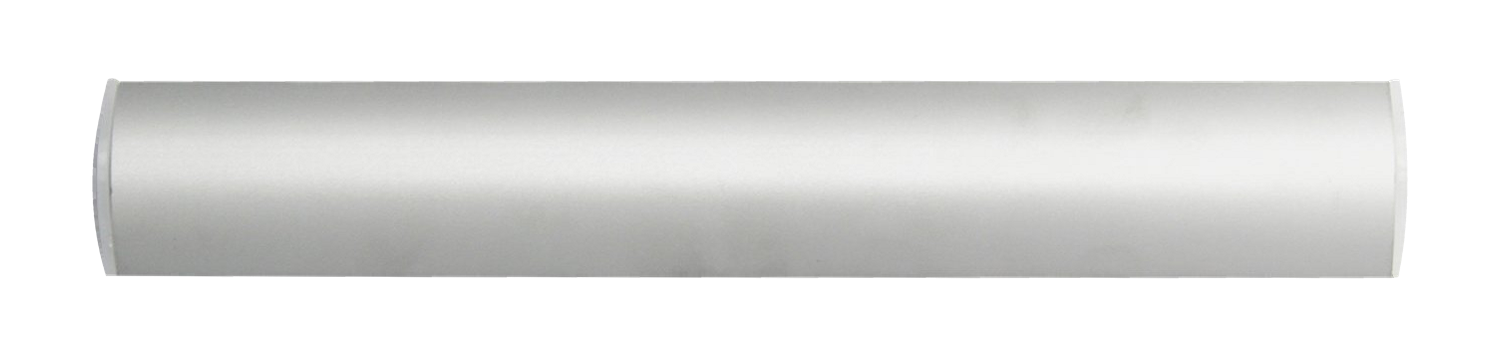
A rounded profile that gives the bottom of your blind a curved finish. Choose your rail colour in the product options.
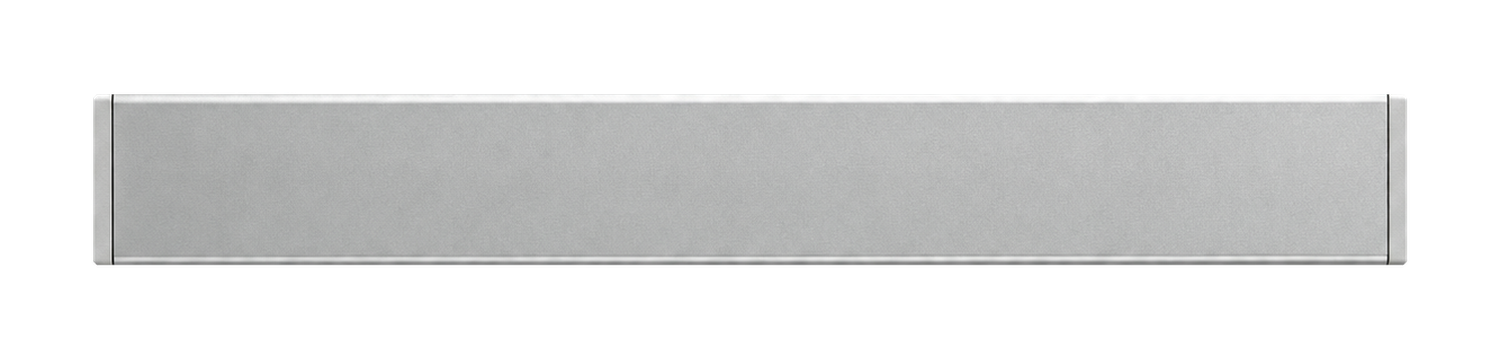
A straight rectangular profile with a flat face. Both profiles are shown here so you can compare their shape before choosing.
Match the fabric or room details, or use an anodised rail for a subtle metallic contrast.
The optional insert cushions contact between the oval bottom rail and nearby surfaces.
The insert helps absorb contact when the rail moves against a window or frame.
It sits at the back of the rail. The insert is coordinated with the selected rail colour.
Compare the ranges, then order samples to see the colour and texture in your room.
Shade, Serene, Serene II, Ultra, Array, Allure, Elegance, Lakeside, Opulence.
Colours can look different from one screen to another. View physical samples next to your paint, flooring and furniture.
Compare the ranges, then order samples to see the colour and texture in your room.
Serene LF, Ultra LF, Array LF, Opulence LF.
Colours can look different from one screen to another. View physical samples next to your paint, flooring and furniture.
Compare the ranges, then order samples to see the colour and texture in your room.
Screen.
Colours can look different from one screen to another. View physical samples next to your paint, flooring and furniture.
Shade has a matte finish, with ten colours in the current range.
The fabric roll width is a material specification. Use the size limits in the configurator for the finished blind.
Dust with a soft cloth. Wipe with a damp sponge and dry with a clean cloth. Avoid abrasive products and solvent cleaners; do not roll the fabric while damp.
 Ice
Ice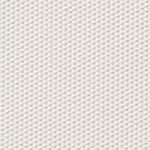 Birch
Birch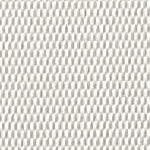 Chalk
Chalk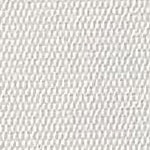 Tea
Tea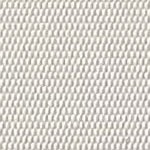 Biscuiti
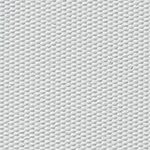 Mist
Mist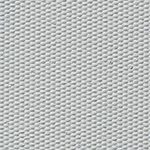 Alloy
Alloy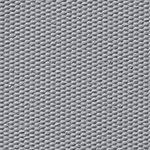 Odyssey
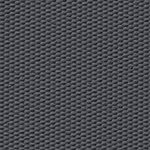 Storm
Storm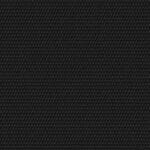 Lava
Lava
Use these colours as a starting point, then check a physical sample in your room.
Serene does not have a colour-coordinated backing. Check a physical sample to see the front and reverse before ordering.
Serene II has a colour-coordinated backing. The reverse is coordinated with the chosen fabric colour, giving a more consistent appearance from outside.
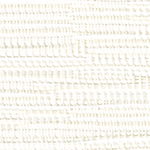 Shell
Shell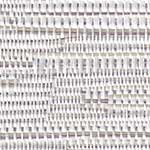 Latte
Latte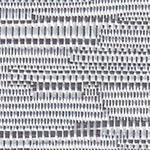 Concrete
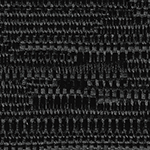 Pitch
Pitch Glacial
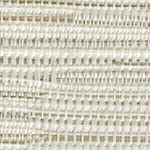 Ecru
Ecru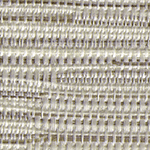 Hazelnut
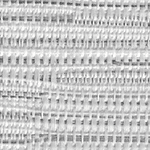 Pebble
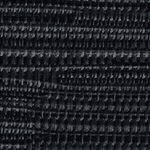 Charcoal
Use these colours as a starting point, then check a physical sample in your room.
 Cool White
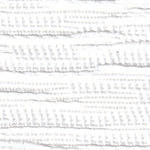 Shell
Shell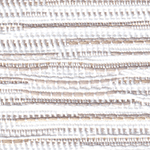 Cream
Cream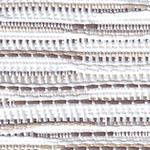 Primrose
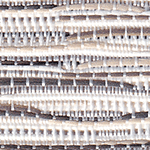 Earth
Earth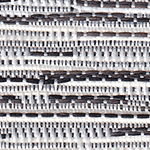 Ash Grey
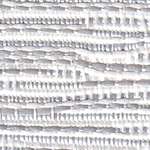 Silver
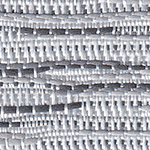 Grey
Grey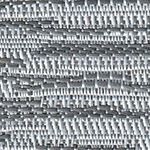 Storm
Storm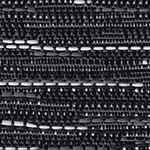 Slate
Slate
Use these colours as a starting point, then check a physical sample in your room.
 Arctic
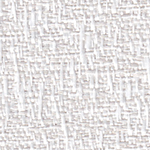 Classic
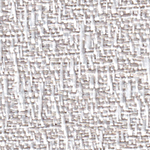 Sand
Sand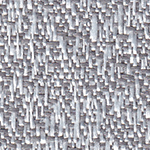 Moon Grey
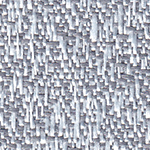 Platinum
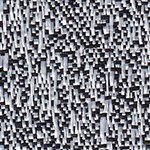 Static
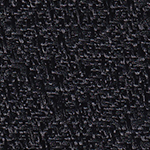 Jet
Jet
Use these colours as a starting point, then check a physical sample in your room.
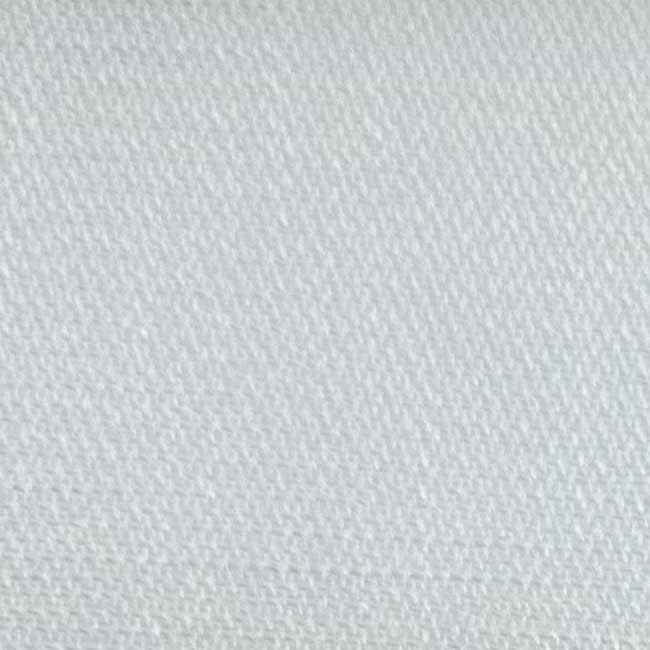 Snow
Snow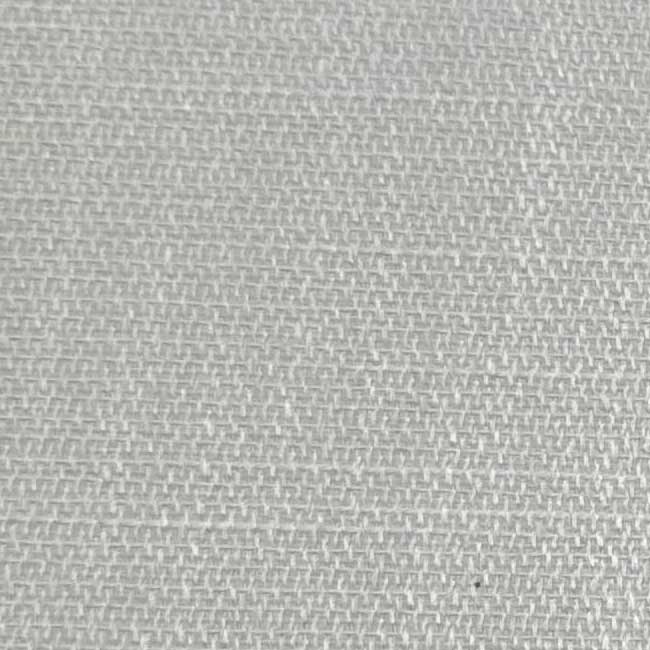 Magnolia
 Fog
Fog Fossil
 Dove
Dove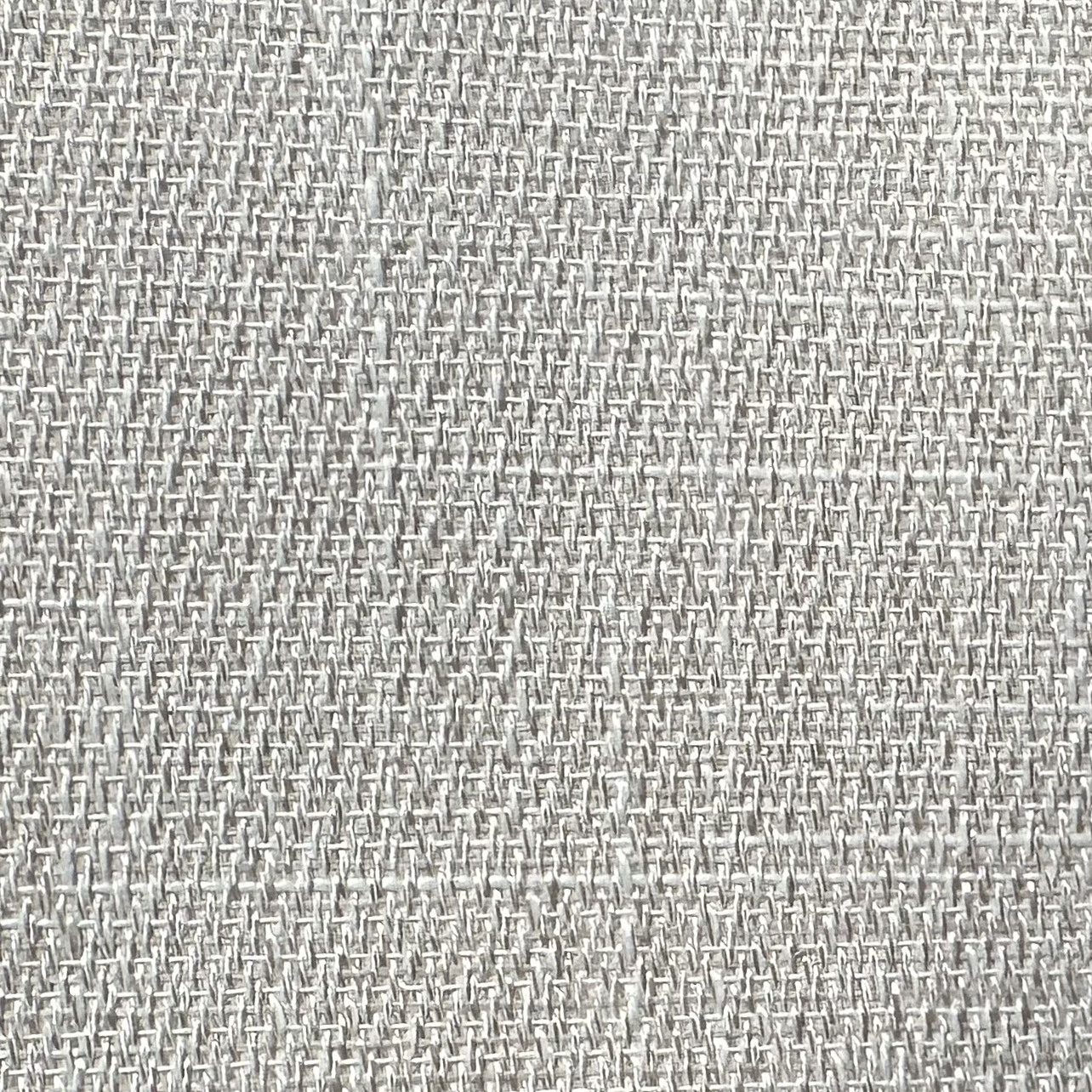 Griege
Use these colours as a starting point, then check a physical sample in your room.
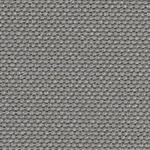 Cloud
Cloud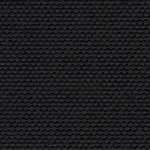 Obsidian
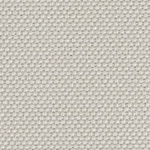 Whisper
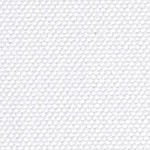 Frost
Frost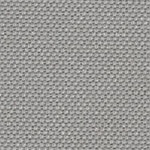 Warm Grey
Lakeside has a texture inspired by exposed bedrock and twelve colours in the current range.
The fabric roll width is a material specification. Use the size limits in the configurator for the finished blind.
Remove surface dust with a soft cloth. Avoid abrasive products and solvent cleaners. Some colour variation between production batches is normal.
 Frost
Frost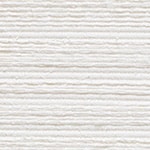 Shell
Shell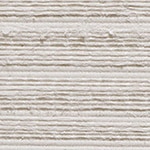 Sandstone
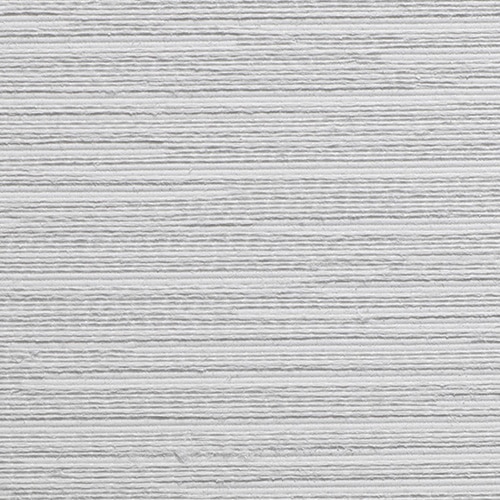 Dew
Dew Haze
Haze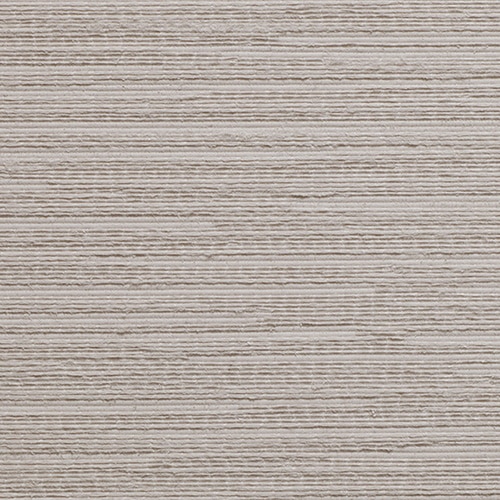 Cliff
Cliff Moonscape
 Glade
Glade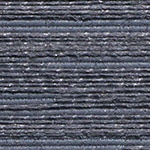 Petrol
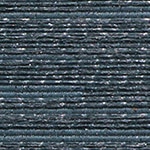 Ocean
Ocean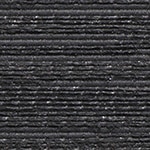 Rock
Rock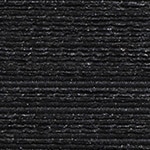 Magma
Magma
Use these colours as a starting point, then check a physical sample in your room.
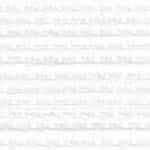 Arctic
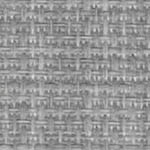 Pale Grey
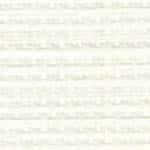 Vanilla
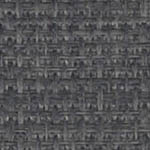 Graphite
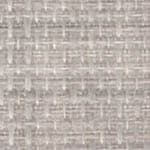 Hazel
Hazel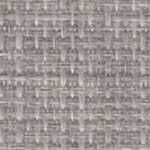 Griege
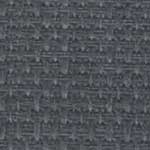 Cobalt
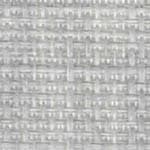 Misty
Misty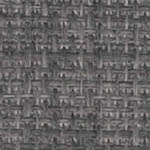 Dove
Dove
Use these colours as a starting point, then check a physical sample in your room.
ChalkCream OnyxImage unavailable — please order a sample.
Use these colours as a starting point, then check a physical sample in your room.
Cool WhiteShellCreamPrimroseEarthAsh GreySilverGreyStormSlate
Use these colours as a starting point, then check a physical sample in your room.
ArcticClassicSandMoon GreyPlatinumStaticJet
Use these colours as a starting point, then check a physical sample in your room.
ArcticVanillaGriegeMisty
Screen reduces glare while keeping a view outside. It provides daytime privacy when the outside is brighter; it is not a night-time privacy fabric.
The fabric roll width is a material specification. Use the size limits in the configurator for the finished blind.
Dust with a soft cloth or wipe with a damp sponge and dry. Avoid abrasive products and solvent cleaners; do not roll the fabric while damp.
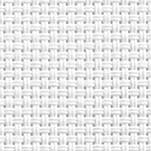 Ice
Ice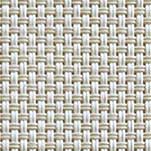 White Linen
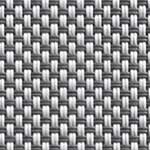 White Grey
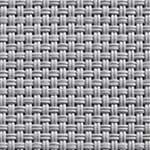 Mist
Mist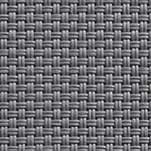 Dolphin
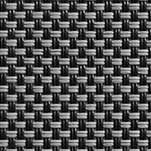 Charcoal Grey
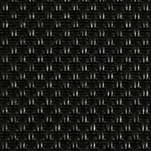 Charcoal