Overview
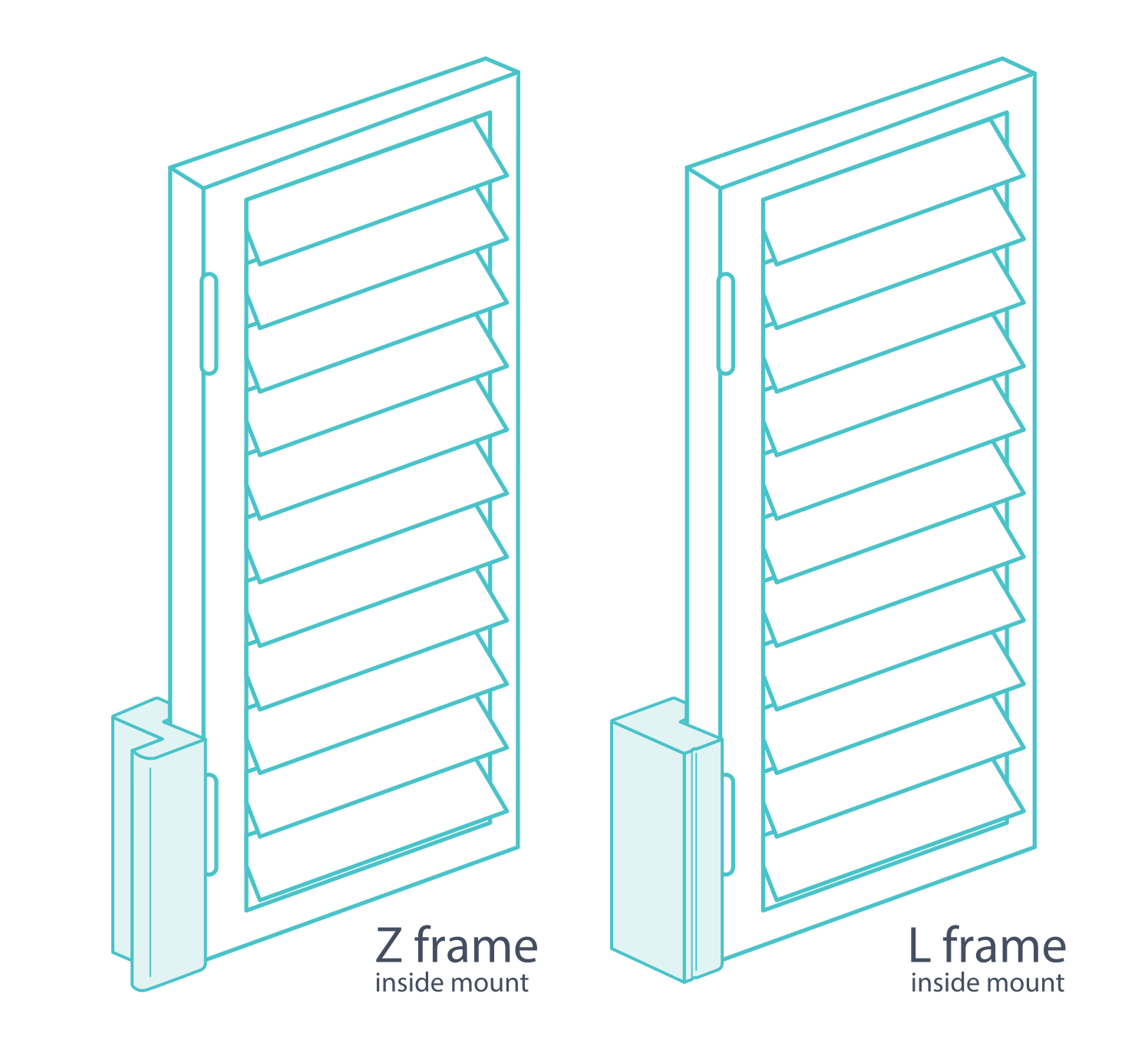
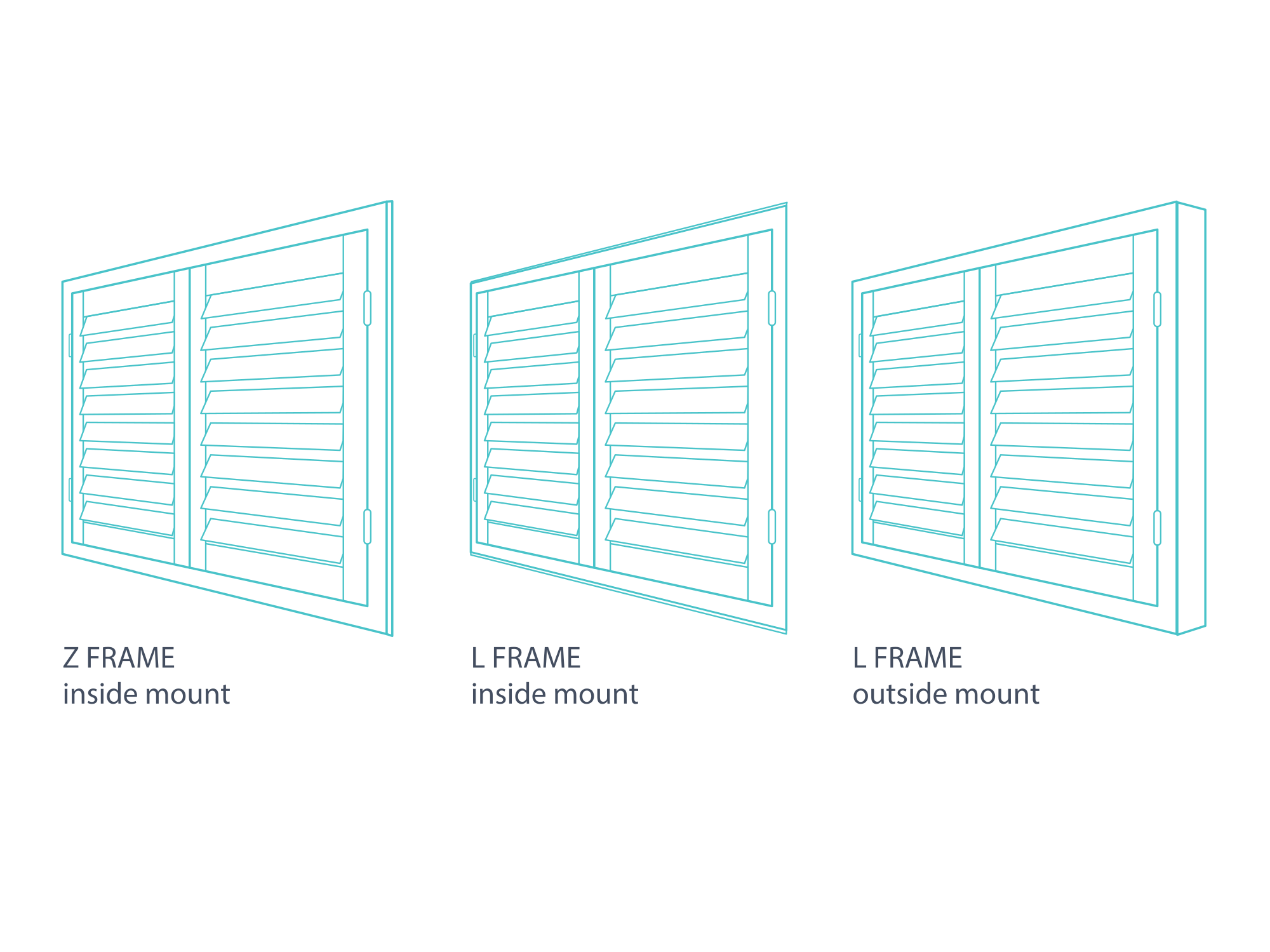
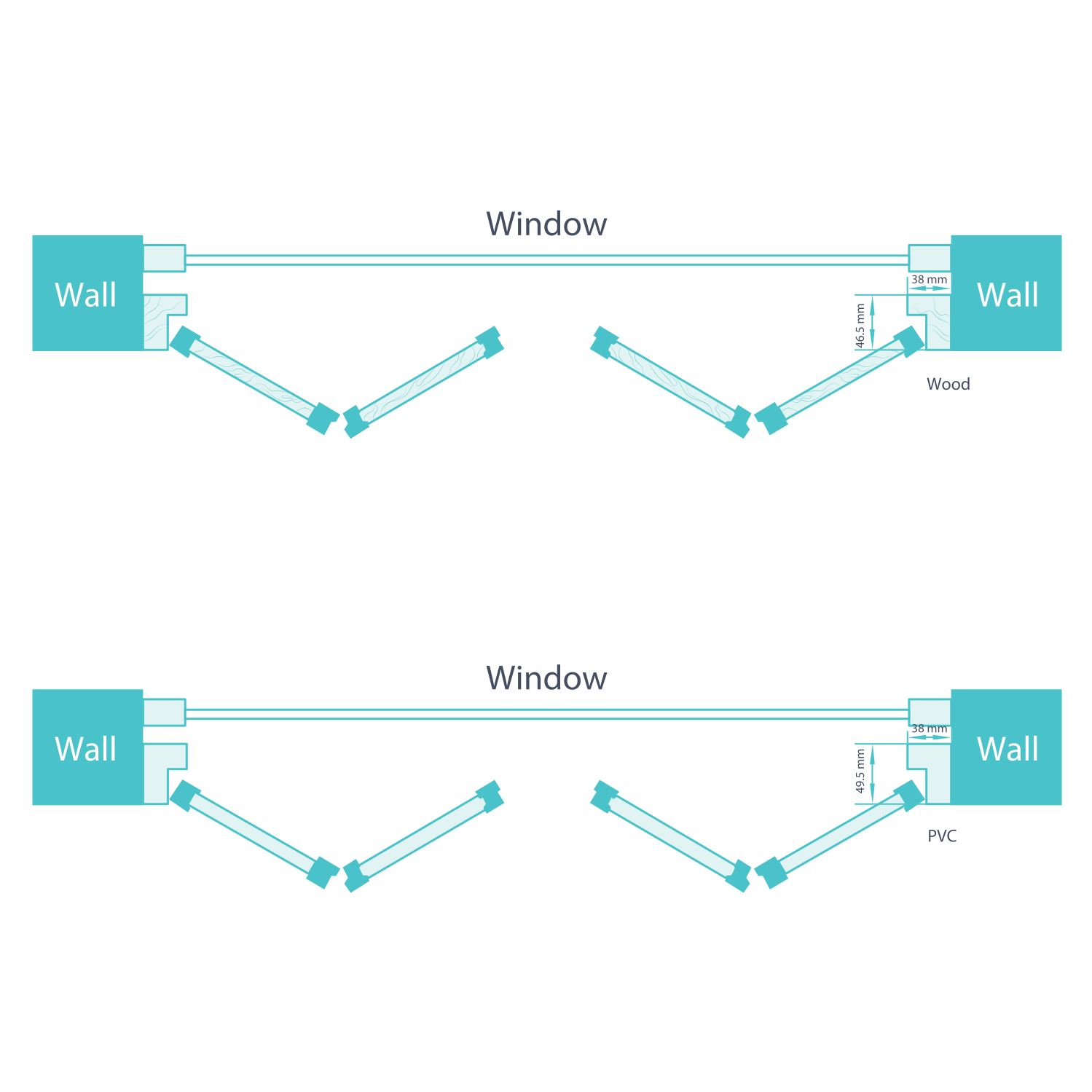
The correct frame depends on the recess, surrounding trim, sill and window hardware. Compare the inside Z-frame, inside L-frame and outside L-frame below, including where each fixes and the space it needs to operate.
What is a shutter frame?
The frame is the fixed surround attached to the window opening. Hinges connect the moving panels to it. Its profile determines where the panels sit, how the shutter meets the wall or trim, and how far the assembly projects into the room.
A suitable surround also provides a neat edge around the opening. An overlapping profile can conceal minor irregularities; it cannot correct an opening that is unsuitable for the selected fit.
Inside vs outside mount
A recess fit places the frame inside the opening. A face fit fixes it to the architrave or wall in front. Inside installations use a Z-frame or an inside L-frame; outside installations use the outside L-frame.
An inside fit looks more recessed. A face fit moves the assembly forward to clear a shallow reveal or projecting hardware, and normally requires a larger overall shutter.
How do I know if I should inside or outside mount?
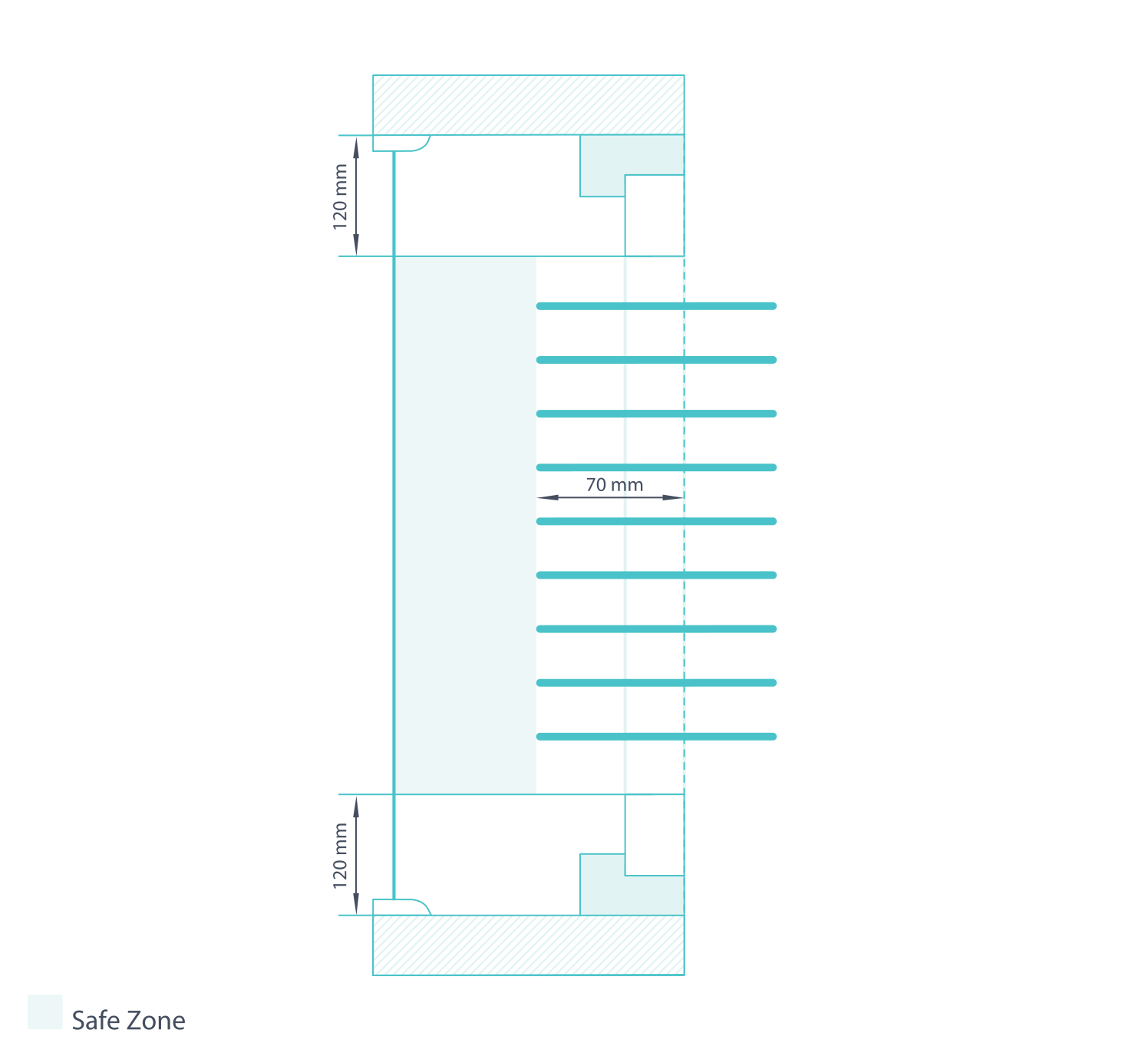
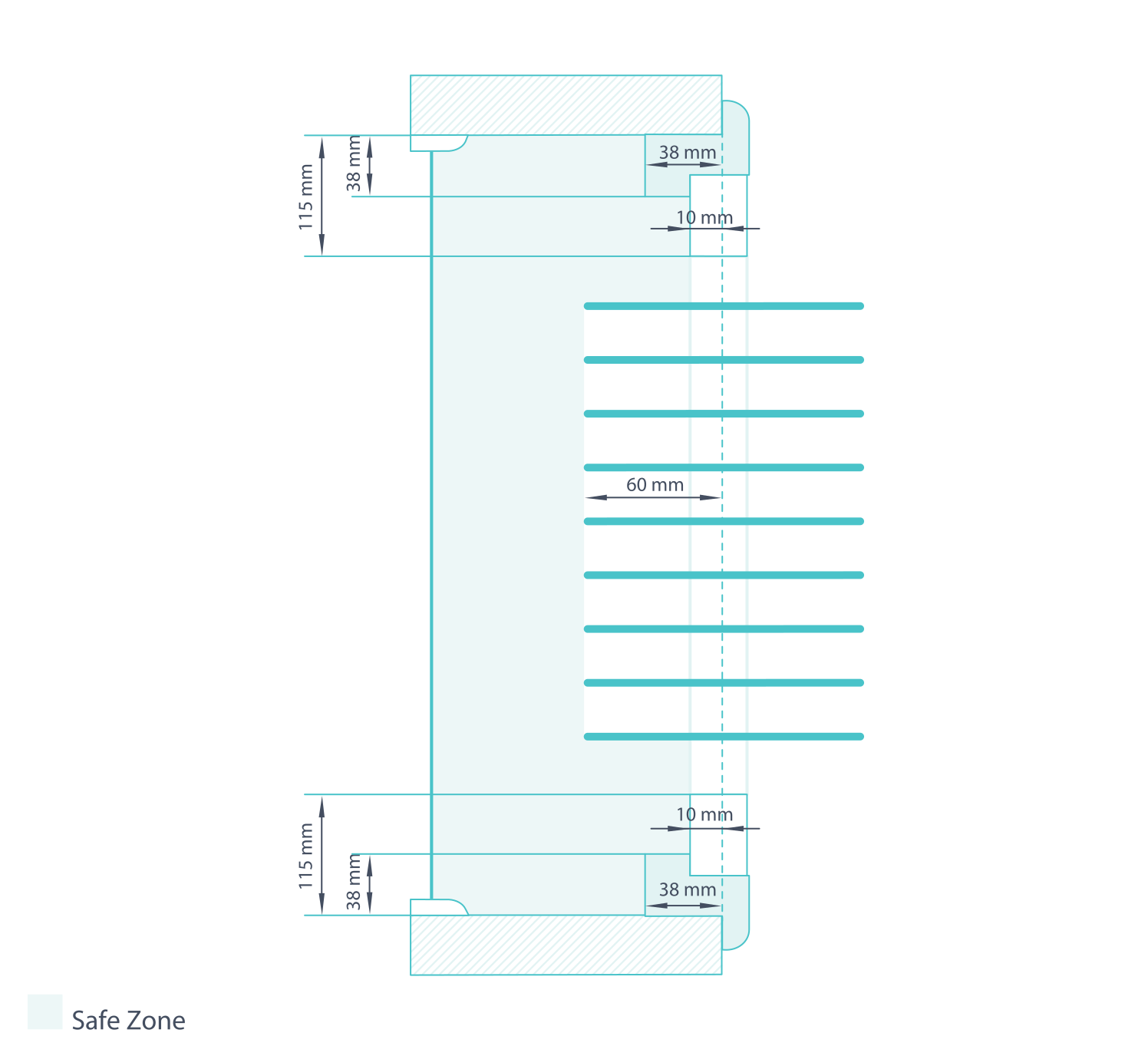
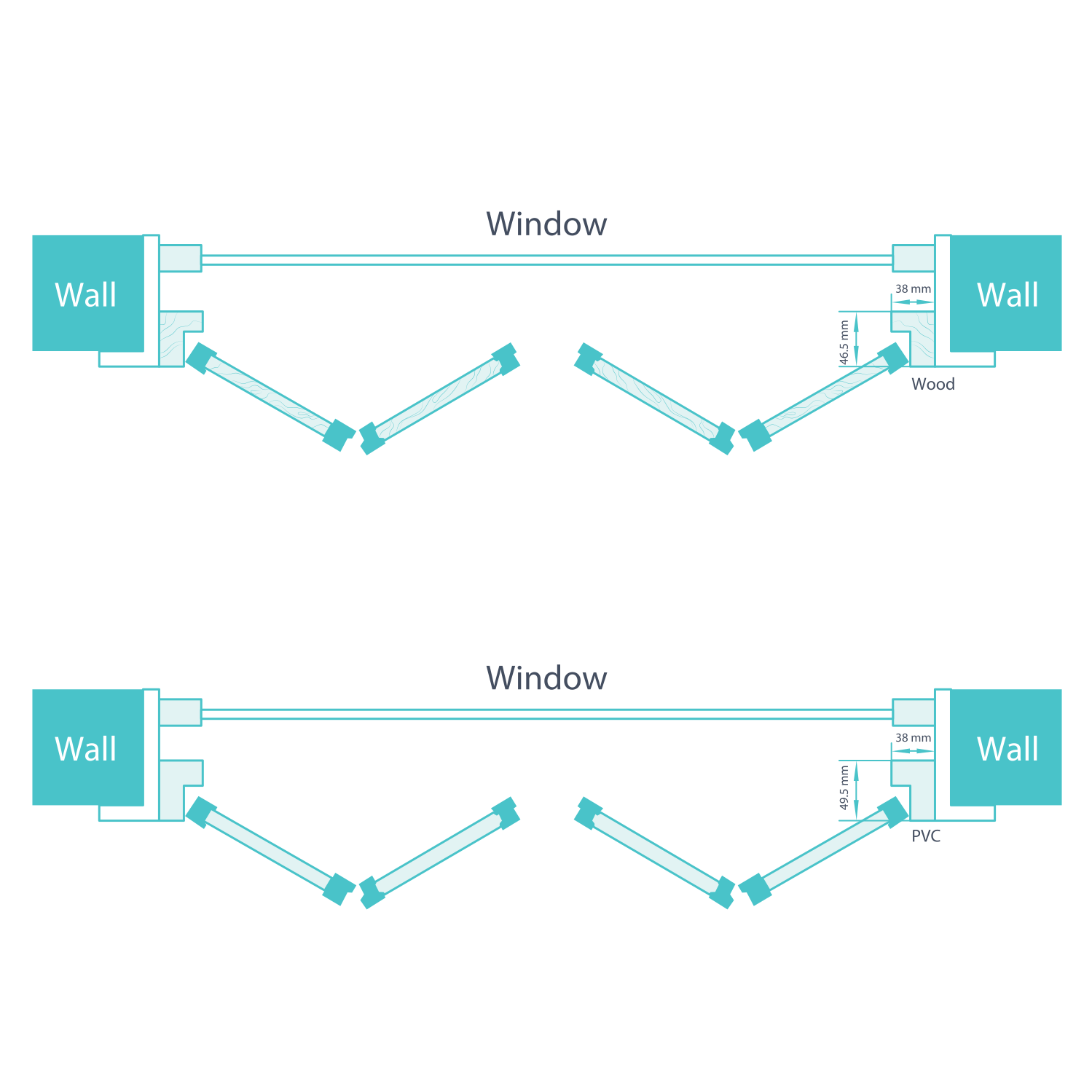
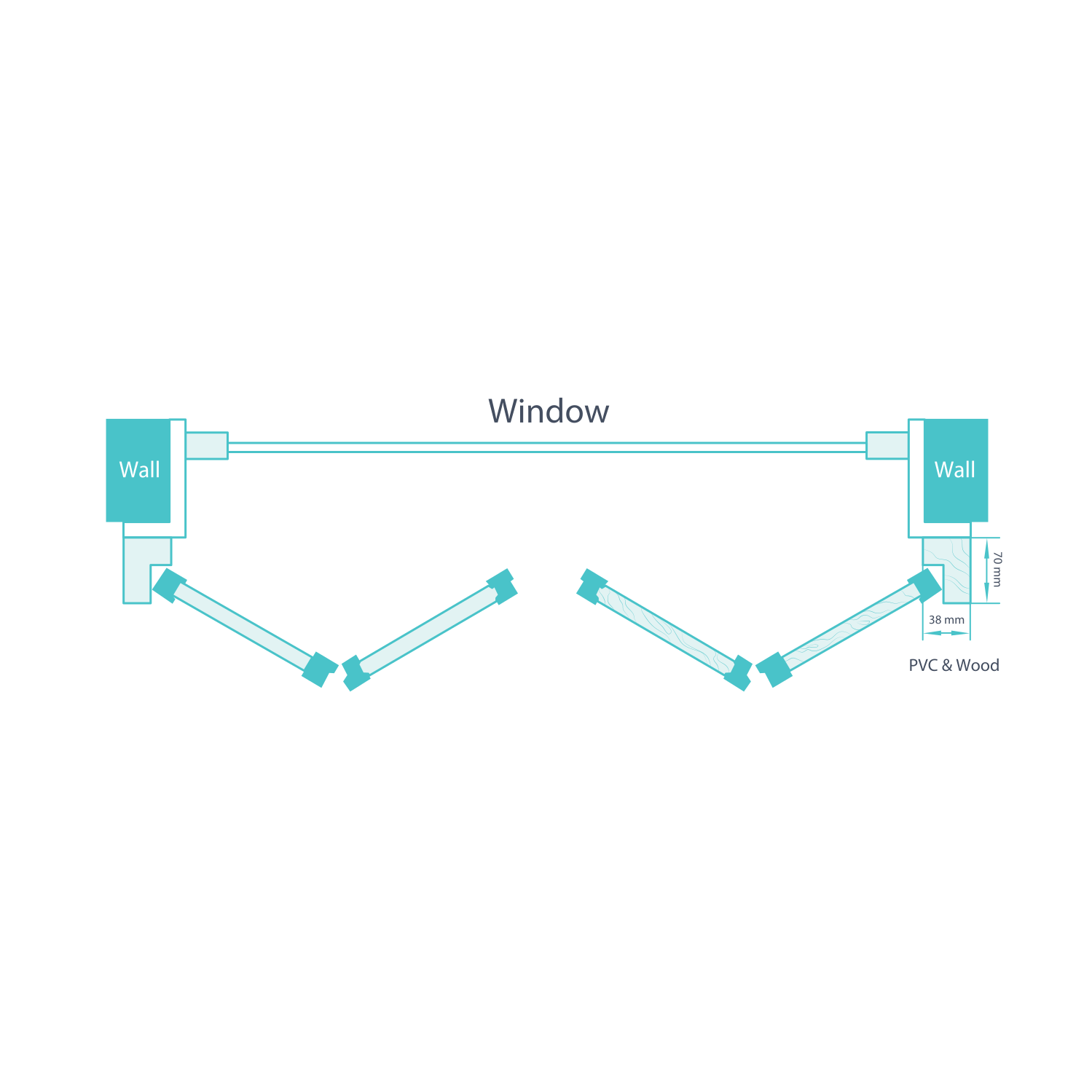
Check the space from the front of the recess to the nearest obstruction. Allow 60 mm for the opening blades of a Z-frame or 70 mm for an inside L-frame. Include handles, locks, winders, screens and moving sashes in this check.
Where both fit, the Z-frame lip can help cover small edge gaps. Where an inside fit conflicts with the window, assess an outside L-frame and its fixing surface. Send front and side photographs if the best position is unclear.
What is a Z-frame?
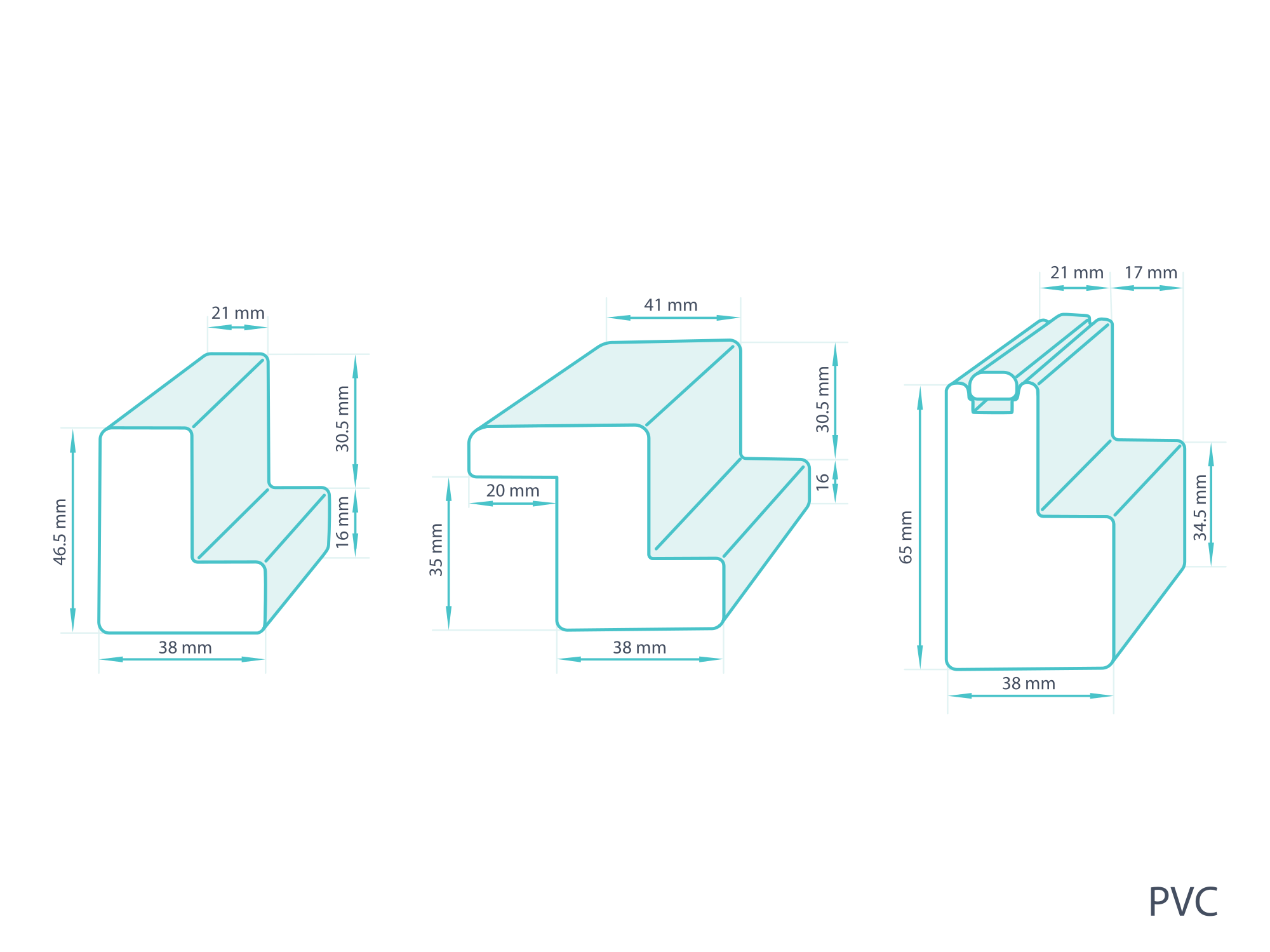
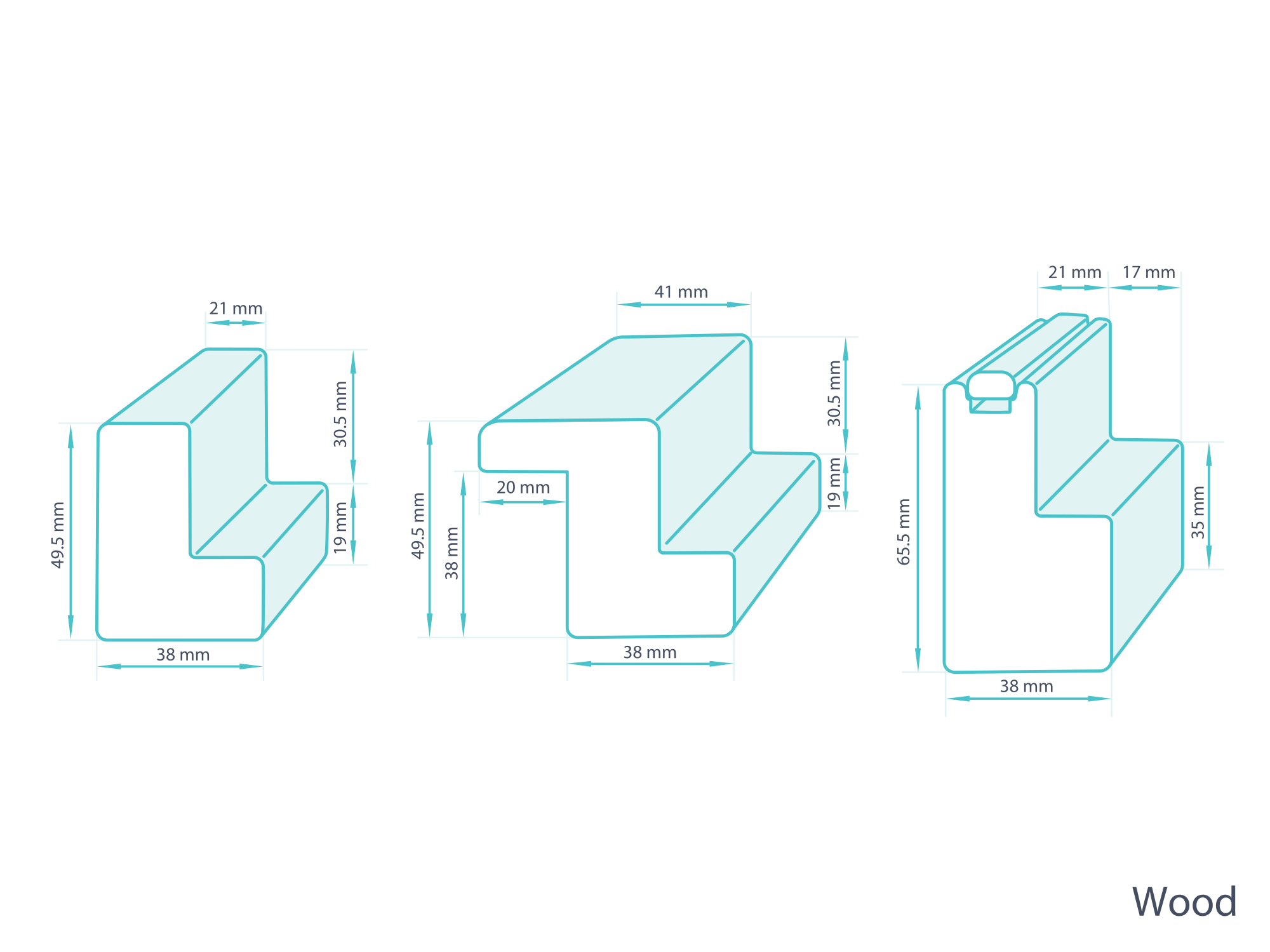
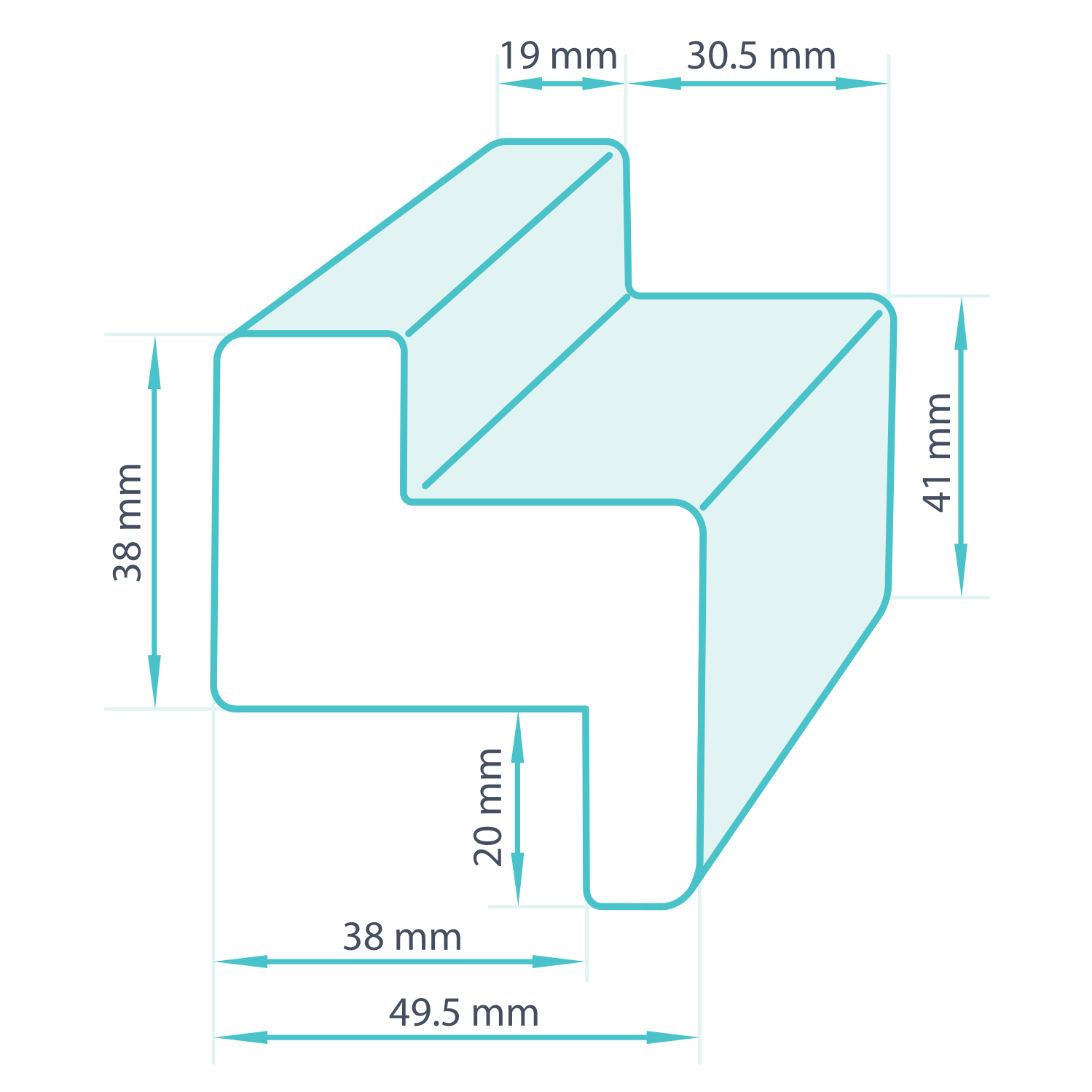
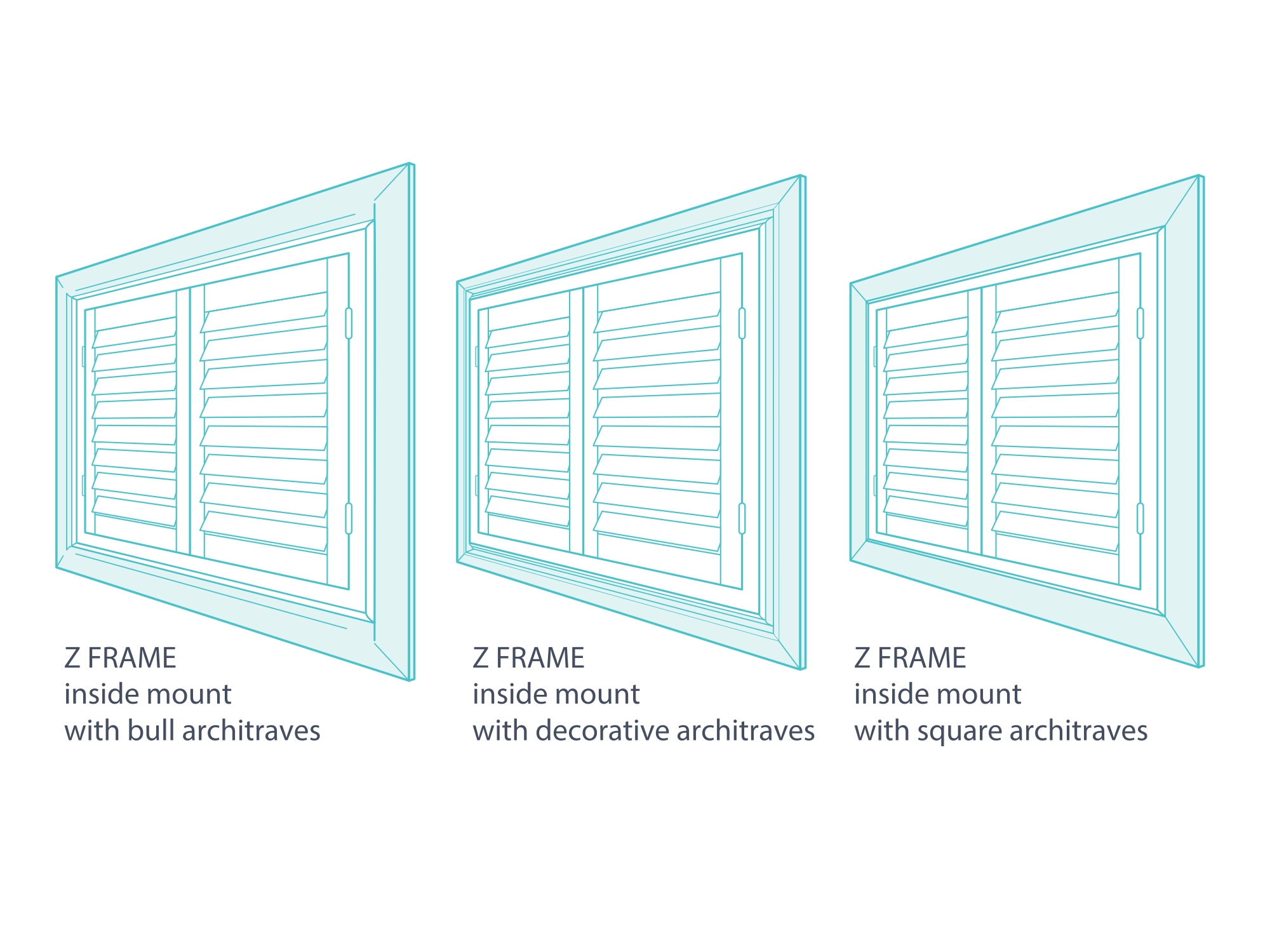
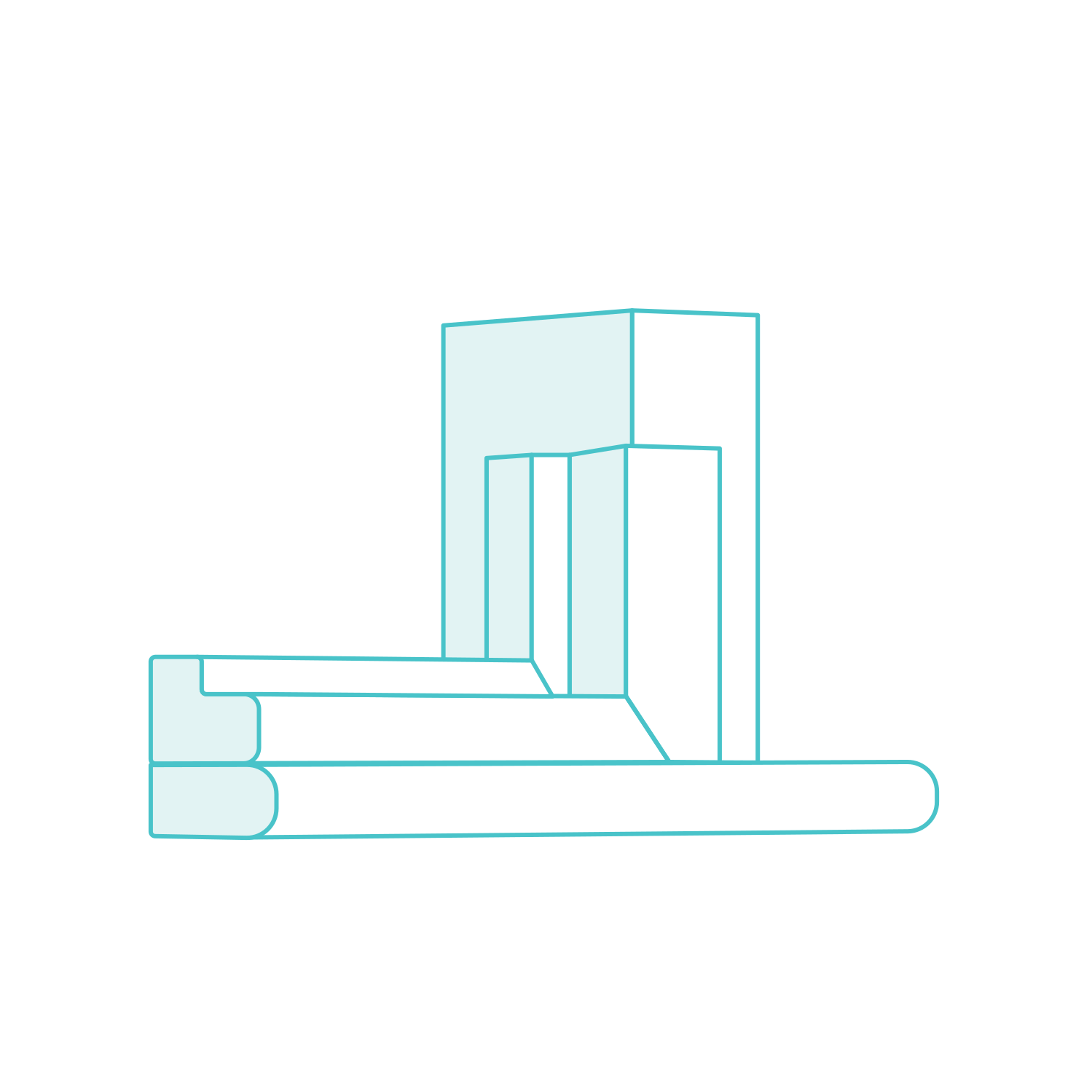
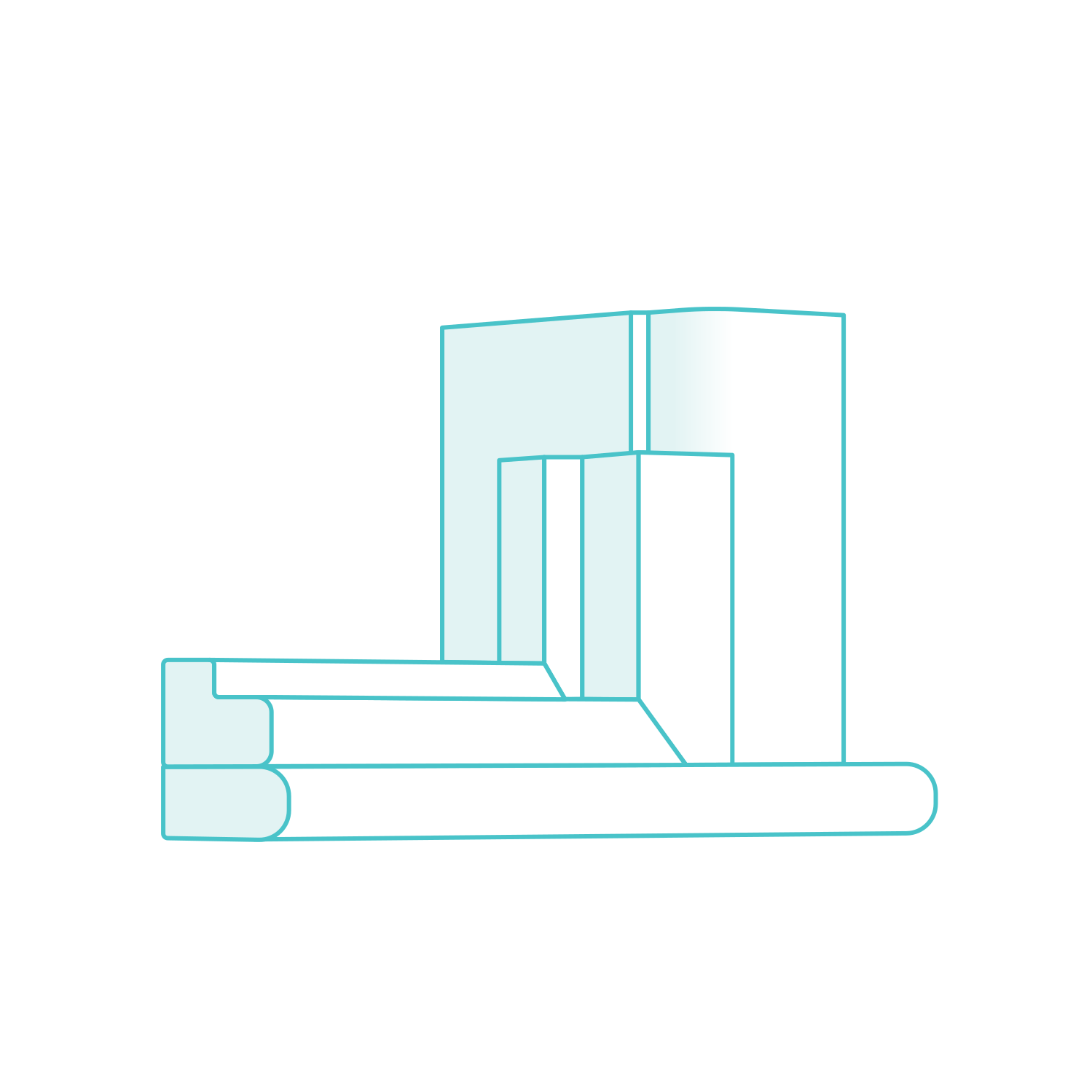
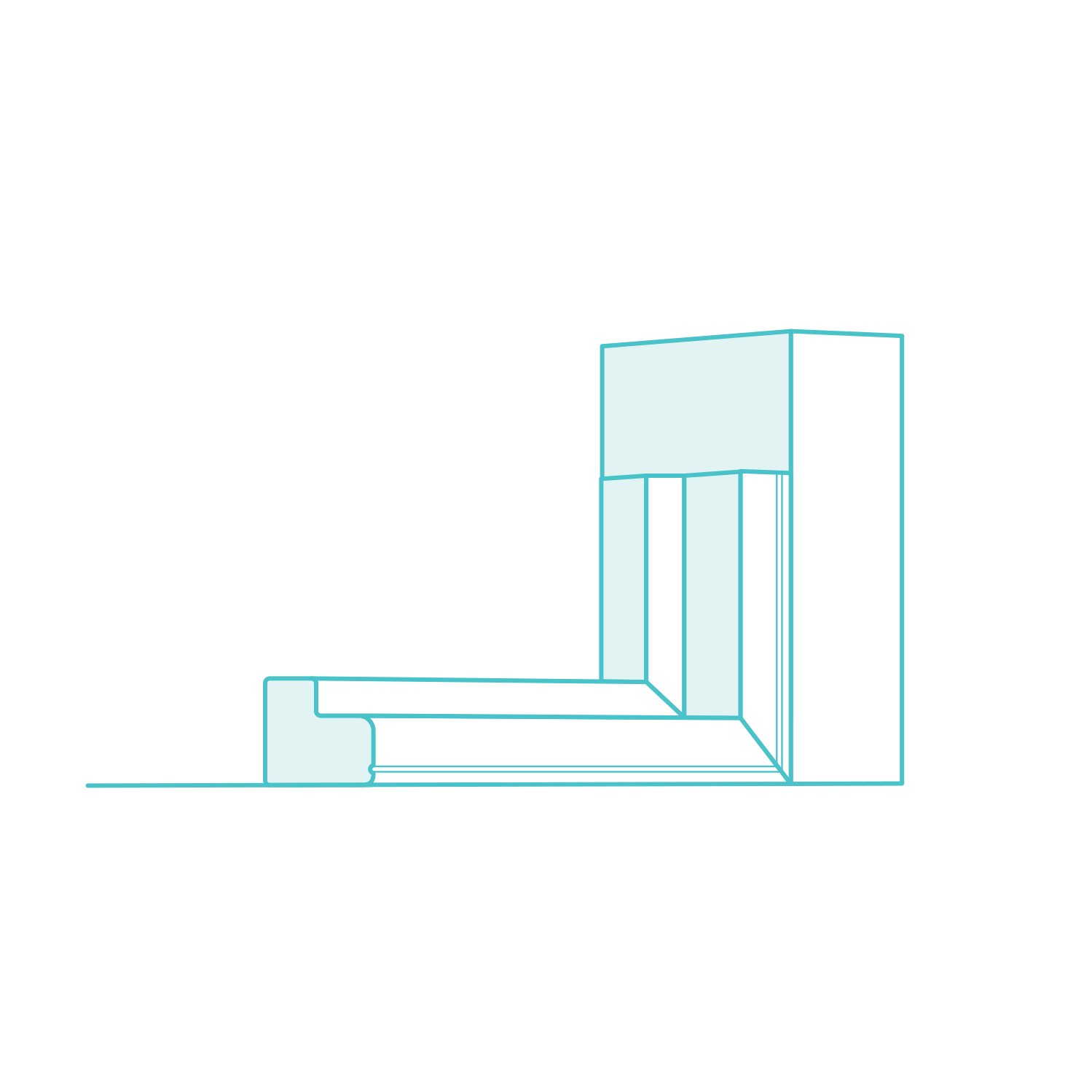
The Z-shaped profile has a fixing section inside the recess and a lip over the front edge. That overlap makes a finished border and covers small gaps between the rectangular shutter and an imperfect opening. The front lip projects approximately 10 mm into the room.
How does a Z-frame mount to my window?
Secure the fixing leg inside the recess and let the lip finish against the front edge. Check the profile drawing and the surface under the lip before ordering. Allow 60 mm of unobstructed depth where the blades rotate; fitting the fixed frame alone does not establish that the panels can operate.
Can I install a Z-frame with an architrave?
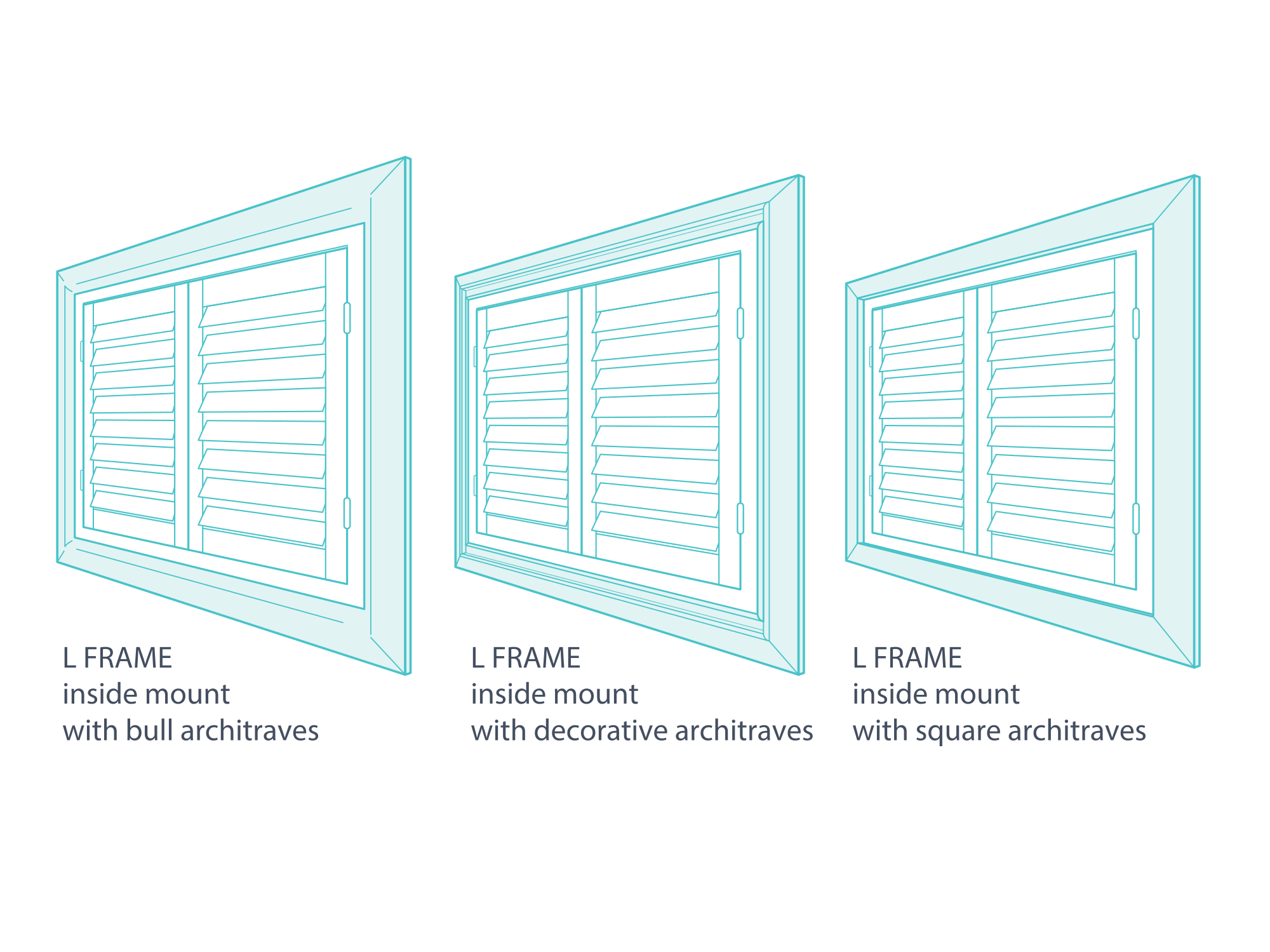
Square and bullnose architraves can provide a suitable surface for the Z-frame lip, provided the recess has the necessary clearance. With decorative trim, check exactly where the lip lands: it may cover a moulded detail or bridge an uneven surface. Photograph the profile if you need help choosing.
Can I install a Z-frame with a protruding window sill?
Select the projecting-sill option when ordering. The top and sides can use the Z-profile while the bottom finishes on the sill with an L-frame section. Do not measure down past the sill or assume the overlapping lip can continue over it.
Can I install a Z-frame with an architrave and window sill?
Check the recess depth and the flat surface beneath the top and side lips. At the bottom, specify the sill so the frame finishes on its upper surface. This keeps the Z-frame border where it fits and avoids a bottom lip colliding with the ledge.
Installing a Z-frame with obstructions
Measure to the most forward part of each handle, winder, lock or screen. The normal blade clearance is 60 mm, but an obstruction behind a fixed rail can require less space than one behind moving blades. Use the obstruction diagrams to check the exact location; do not approve an inside fit from depth alone.
What is an L-frame?
An L-frame has a right-angled cross-section. Inside and outside versions have different fixing positions and profiles: the inside version sits in the reveal, while the outside version carries the shutter in front of the opening. Select the version that matches the mounting method.
What is an inside mount L-frame?
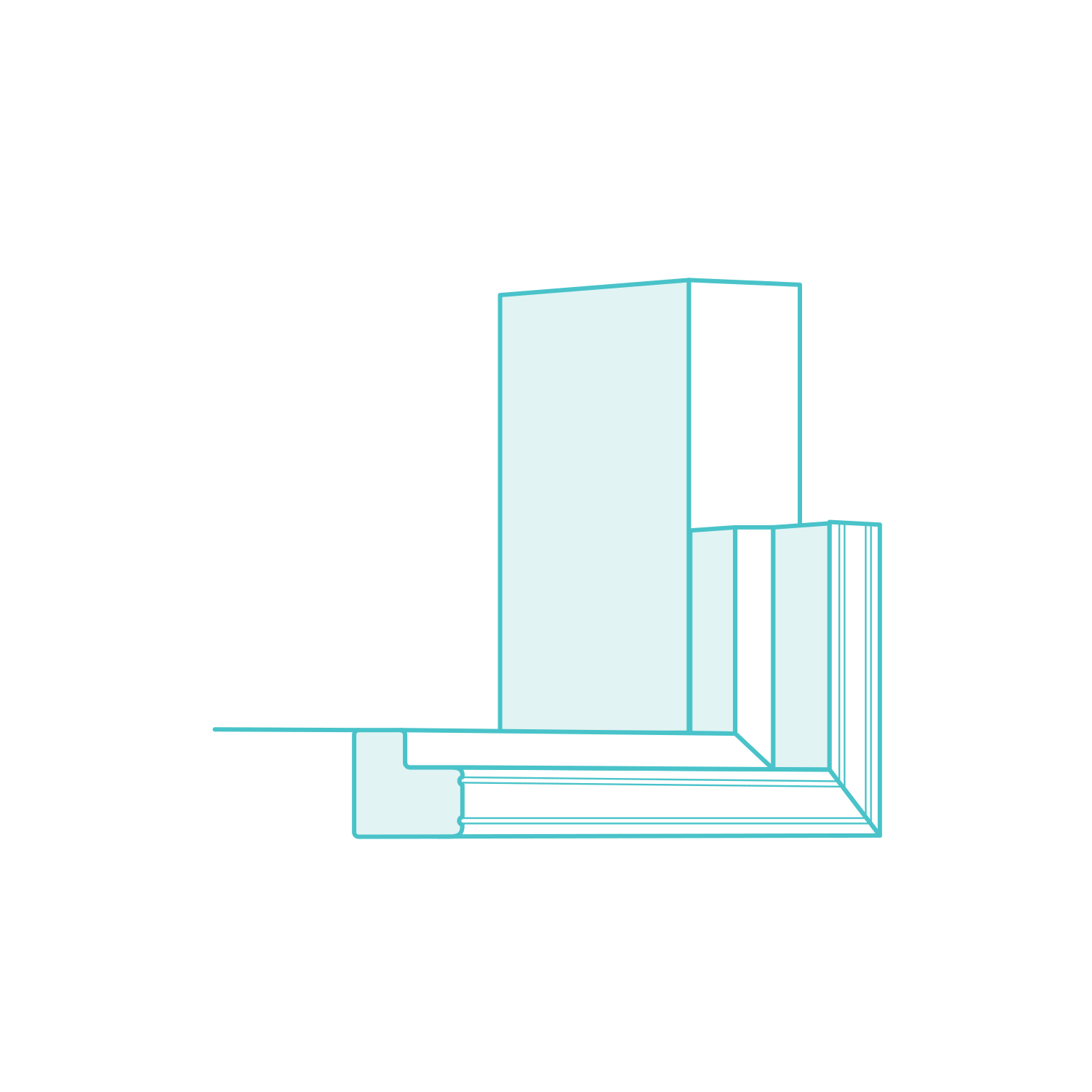
The inside L-frame fixes to the inner faces of the recess without covering the front of the architrave. It can sit near the opening edge or further back where depth permits. This can preserve decorative trim, although the perimeter gap remains visible rather than being covered by a Z-frame lip.
How does an inside L-frame mount to my window?
Allow 70 mm of usable depth for an inside L-frame with freely rotating blades. Measure from the proposed front position to the nearest projecting hardware, not just to the glass. Check that the window and shutter panels can both open before finalising the fixing position.
Can I install an L-frame with an architrave?
An inside L-frame leaves the architrave visible, which is useful with detailed mouldings. It needs a suitable recess and can show perimeter gaps more clearly than a Z-frame, especially on an uneven opening. Check all widths and drops before choosing this appearance.
Can I install an inside L-frame with a window sill?
The bottom frame can rest on the sill while the remaining sections fix inside the recess. Measure the drop to the sill surface at the intended frame position. Check that the ledge, taps or nearby fittings do not obstruct panel movement.
Can I install an inside L-frame with an architrave and window sill?
An inside L-frame can leave the surrounding trim exposed and finish on top of the sill. Confirm 70 mm of usable blade clearance, the bottom contact surface and the opening path of the panels. The presence of an architrave does not change the inside-recess width reference.
Installing a L-frame with obstructions
An inside L-frame normally needs 70 mm where blades move, but fixed frame and rail zones have different requirements. Record both the projection and position of each obstruction. Use the L-frame diagrams below before deciding whether a rail can pass in front of a handle or a face fit is needed.
What is an outside mount L-frame?
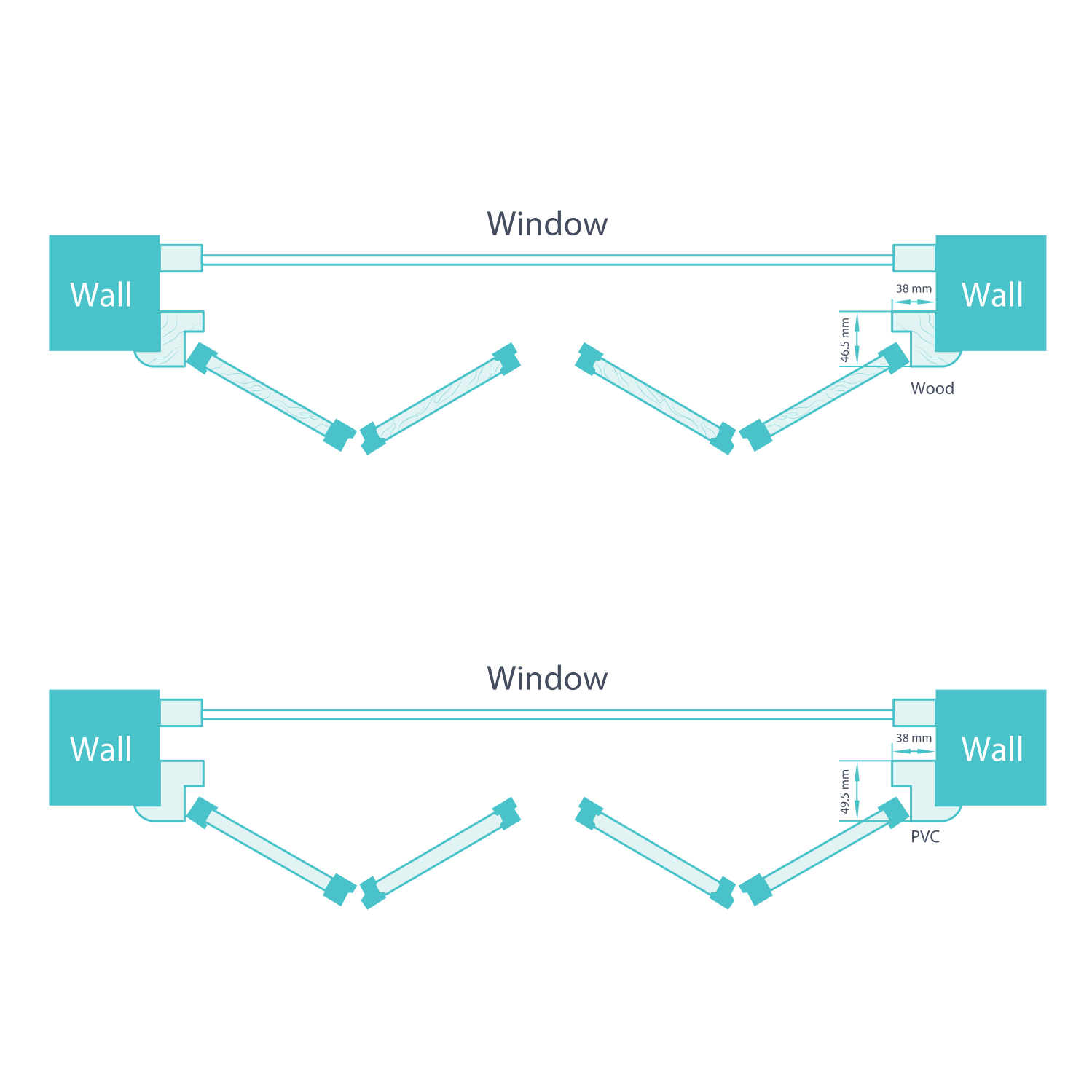
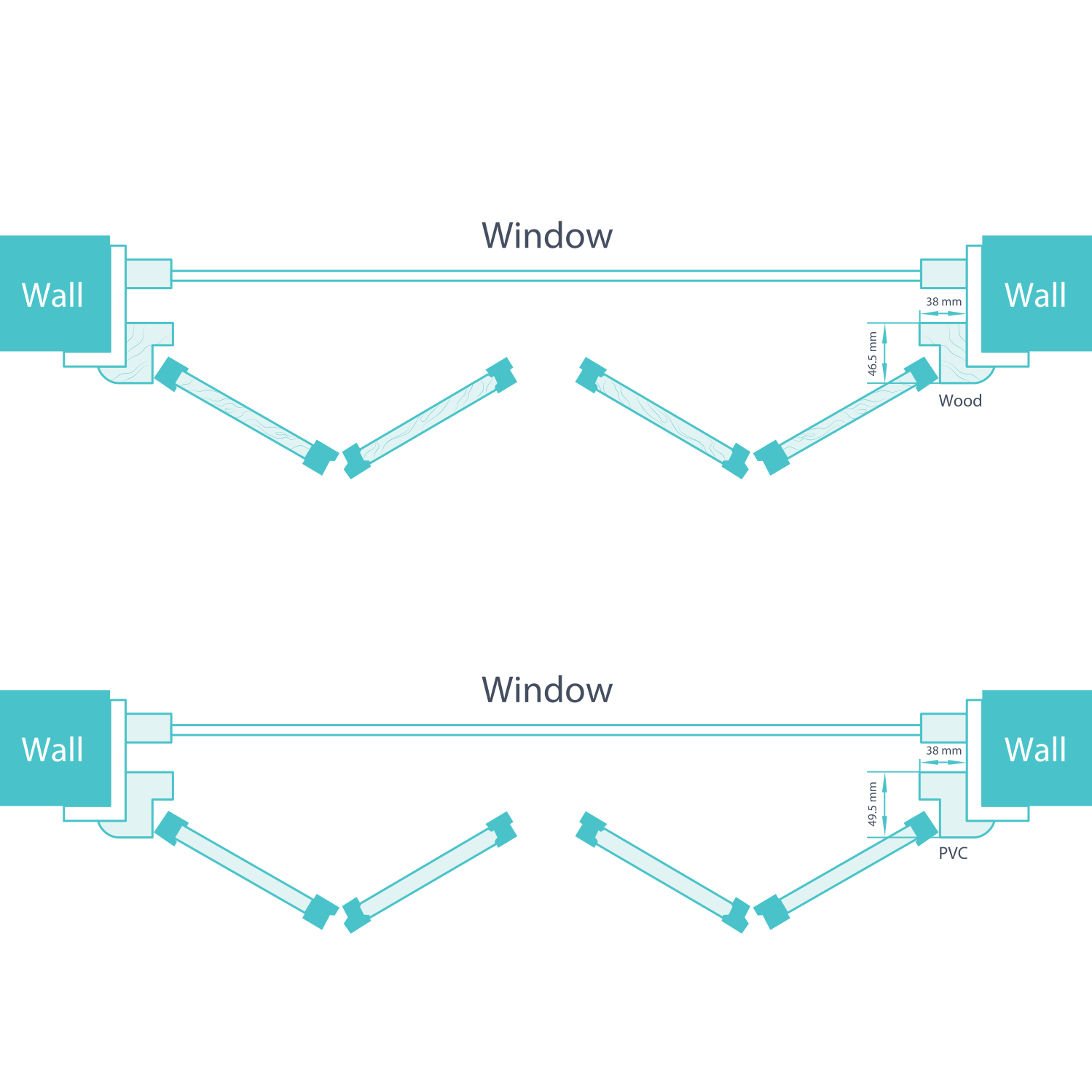
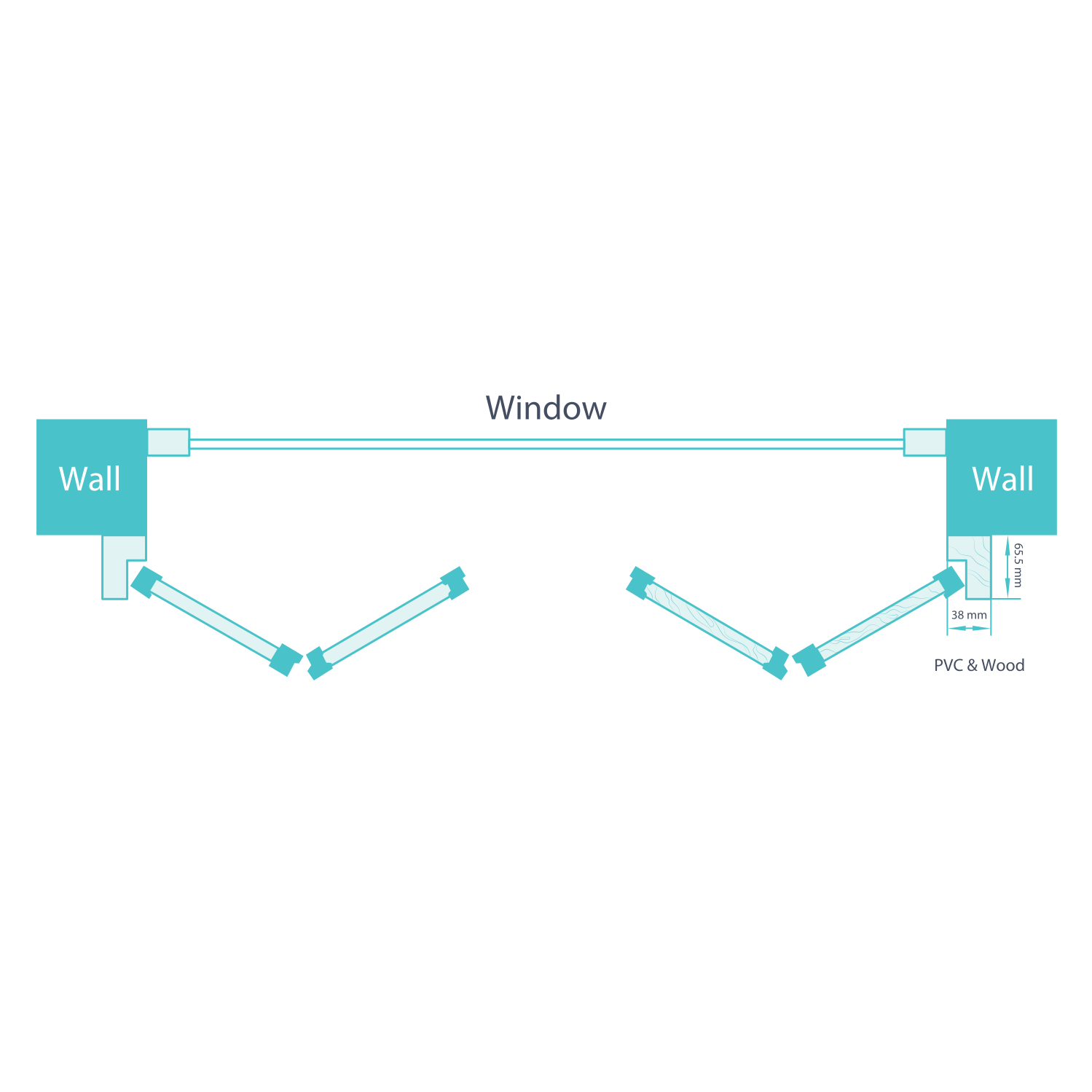
The outside L-frame fixes to the front of the trim or surrounding wall. It moves the shutter in front of shallow recesses or hardware that would block an inside installation. Allow approximately 65 mm of projection and check nearby walls, furniture and the panel swing.
How does an outside L-frame mount to my window?
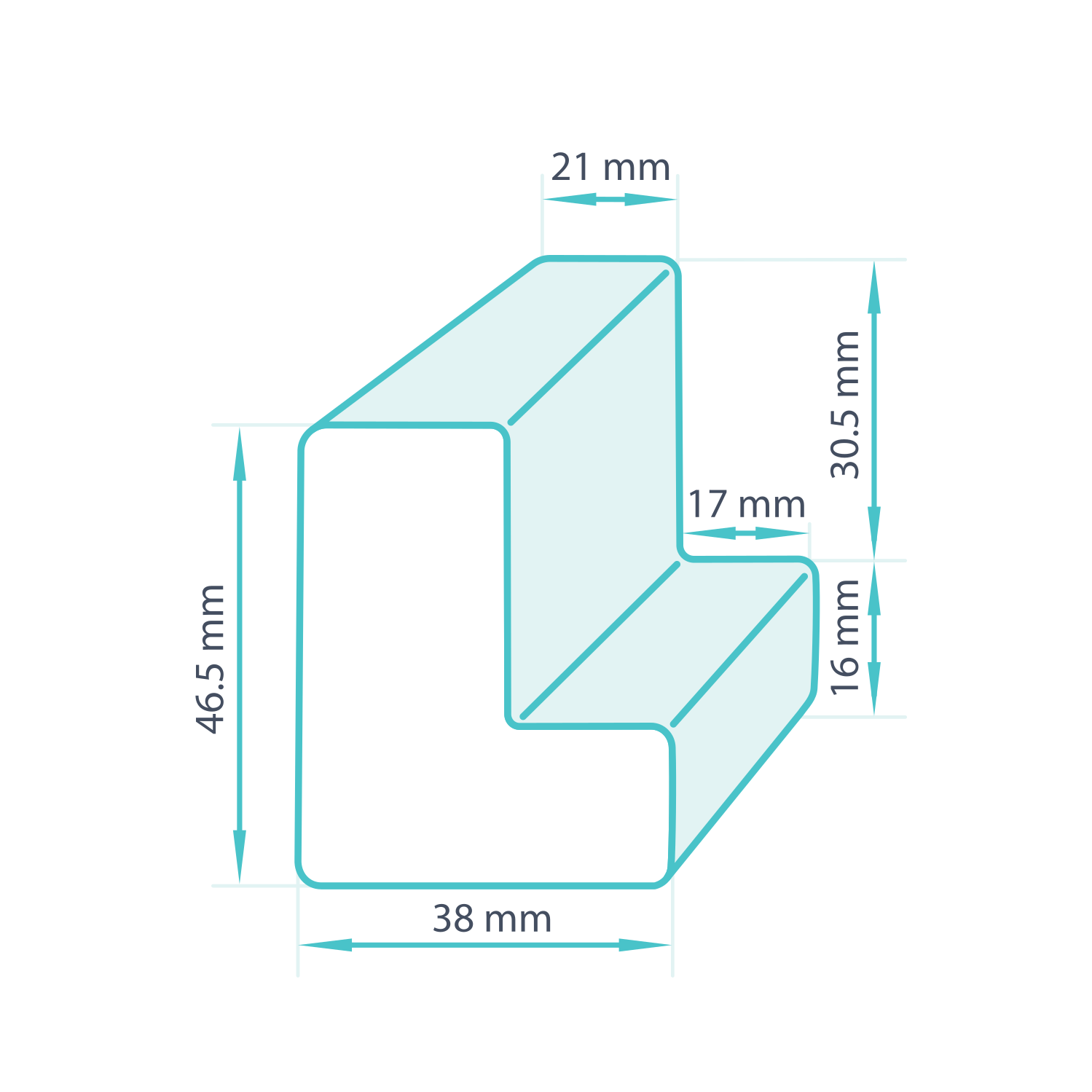
Find a continuous, level fixing surface around the opening. The illustrated outside L-profile uses a 38 mm frame footprint; decorative trim must offer a suitable flat band, not a groove or rounded ridge. On square-set openings, check sound fixing points in the wall around the recess.