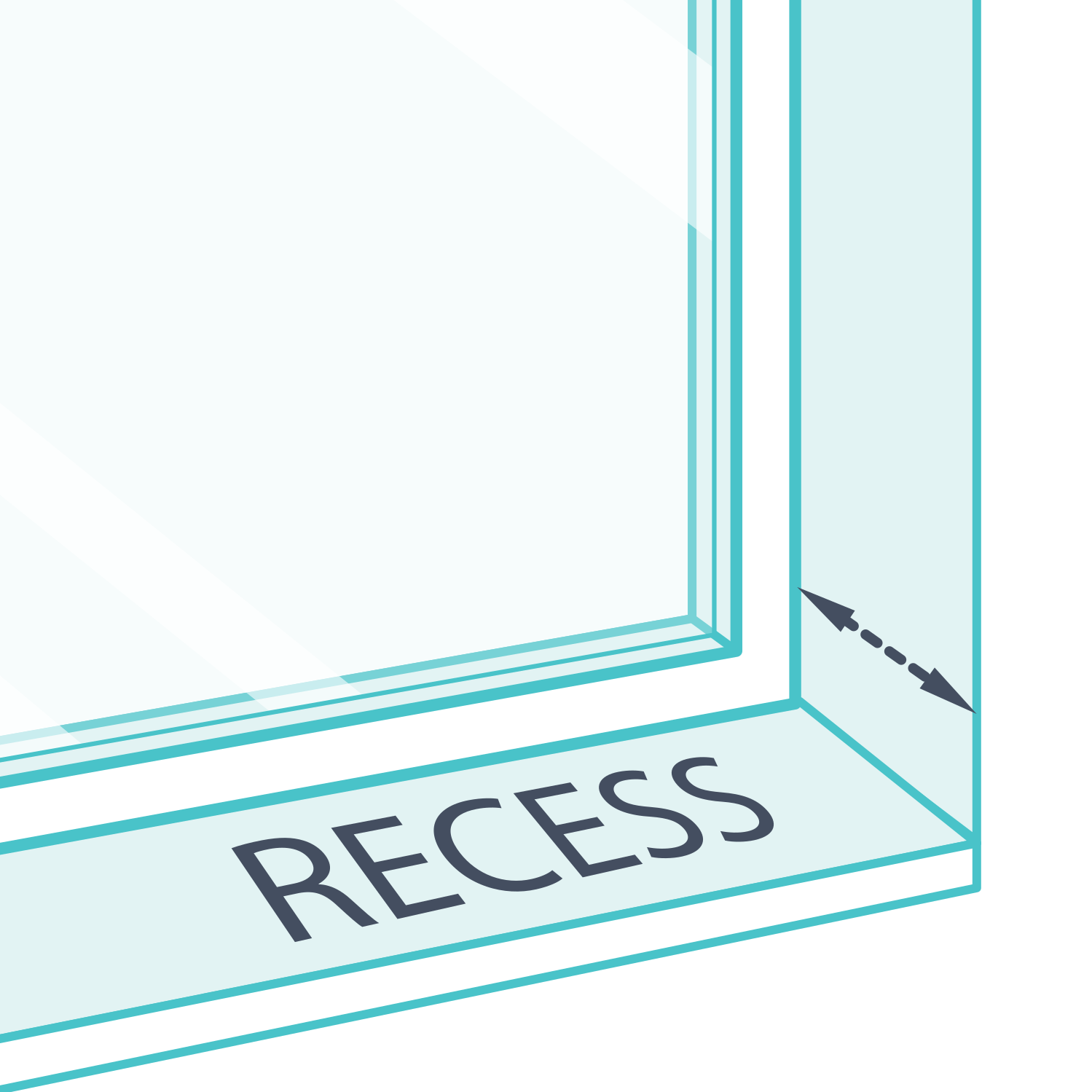
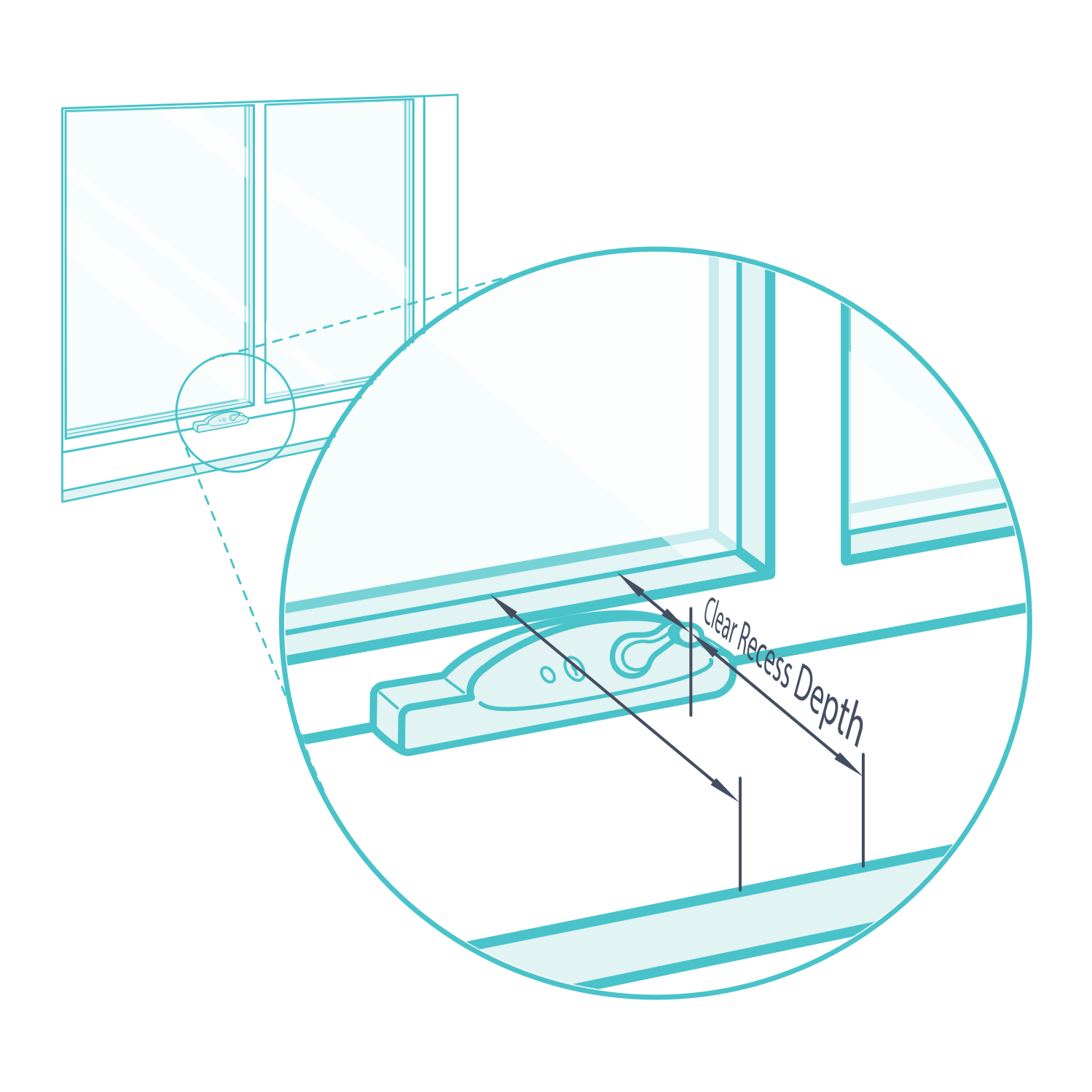
Overview
Check usable depth before deciding on an inside frame. Measure to the nearest obstruction from one consistent front reference. Around 70 mm of clear space is a useful starting check; shallower conditions need the frame-specific obstruction assessment.
Find the front reference point
Use the room-side front edge of the recess as the reference plane. Measure inward from that same plane at every checking position; changing the starting surface gives inconsistent clearance figures.
Examples of obstructions
Look for window winders, locks, security fittings, handles, keys, screens and opening sashes. Include anything that projects into the area where the frame, rails or blades will sit.
Measure to the first obstruction
Stop the depth measurement at the first obstruction the shutter could touch. This gives the clear space available. A deeper measurement to the glass is not usable if a handle or screen occupies part of it.
Check several locations
Check top, middle and bottom on both sides. Record the smallest clear depth and the location of each obstruction. A recess may taper or contain hardware at only one height.
Operate the window
Open the window and operate its handles or winders while checking the proposed shutter position. Moving hardware must stay clear too. If available depth is below 70 mm or fittings enter the recess, use the frame-specific obstruction checks before committing to an inside mount.