
Description
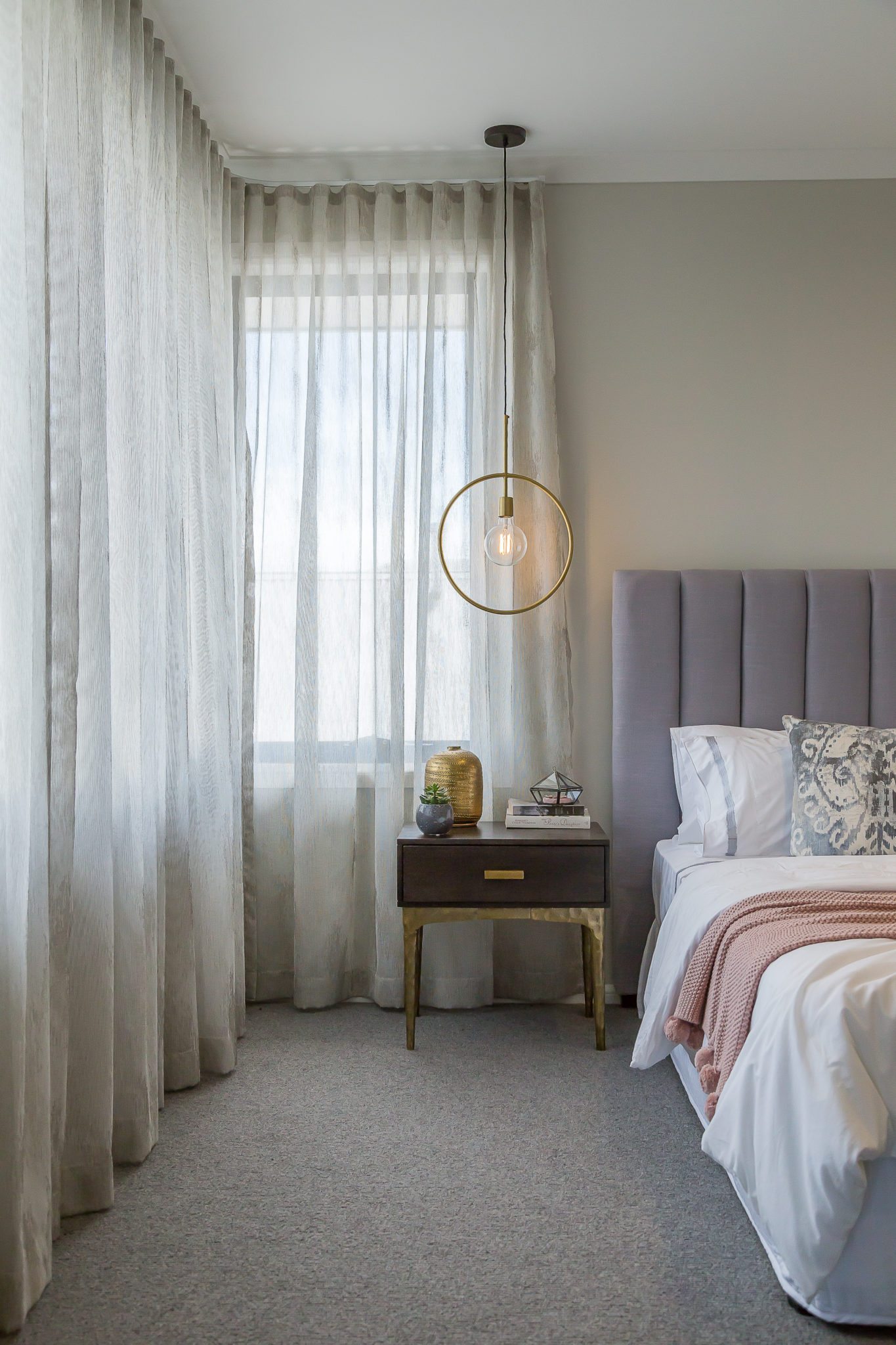
Made-to-measure curtains for tracks with one or two corners. Configure each width, the drop, fabric and track options.
Choose your layout, fabric and measurements. Your price updates below.
Made-to-measure curtains for tracks with one or two corners. Configure each width, the drop, fabric and track options.
Sheer Curtains are renowned for their delicate and translucent appearance, allowing diffused light to pass through while maintaining a certain level of privacy. Crafted from lightweight and transparent polyester material, sheer curtains impart an ethereal and airy ambiance to any space. Their diaphanous nature enables them to soften harsh sunlight, creating a subtle, romantic glow within interiors. Sheer fabric curtains are perfect for adding a touch of elegance to a room without completely obstructing the view. They are also known for their ability to create an illusion of space, making them an excellent choice for smaller rooms or spaces with limited natural light. Layer them over roller blinds or opt for double curtains for more privacy.
Blockout Curtains, also referred to as blackout curtains, are designed to completely block out external light, offering maximum privacy and darkness when drawn. Constructed from thicker and denser materials, these curtains effectively prevent light from filtering into the room, making them ideal for bedrooms, home theaters, or any space where light control is essential. In addition to their light-blocking properties, blockout fabric curtains also contribute to sound insulation and temperature regulation, helping to create a more serene and comfortable indoor environment. Unlike sheer curtains, blockout fabric curtains are primarily chosen for their functionality rather than their aesthetic appeal, serving as a practical solution for those seeking light reduction and privacy.
Continuous blockout coated fabric.
Type: Blockout
Composition: Polyester + Acrylic Backing
Aftercare: WCAA 6W
Flame Retardant: AS/NZS 1530.3
CARE LABEL No. 6W
For use on acrylic foam backed fabrics and flock coated fabrics or both man-made fibres and cotton. Regular care will minimise the need for additional cleaning. Gently vacuum with appropriate attachment. Always exercise caution when spot cleaning. Test cleaning on non-exposed surface. Avoid excessive rubbing and abrasion.
CLEANING
Washing: Possible shrinkage 3%. Remove hooks, rings & trims before cleaning. Curtains are heavy when wet.
Professional wet cleaning recommended.
DO NOT CLEAN IN DOMESTIC WASHING MACHINE.
Hand wash in cool-to-warm water (max 40’C). Mild detergents, such as wool mixes are recommended. Do not bleach, soak, rub or wring. Drip dry in shade.
Do not tumble dry. Hang curtains by their hooks to avoid coated sides touching. Do not use pegs. Do not fold curtains over clothes line. Do not iron/press
coated side. Warm iron/press on fabric side only. Do not dry clean ⊗
Continuous blockout coated fabric. Very popular on double curtains.
Type: Blockout
Width: 300cm (Continuous)
Composition: Polyester + Acrylic Backing
Aftercare: WCAA 6W
Flame Retardant: AS/NZS 1530.3
CARE LABEL No. 6W
For use on acrylic foam backed fabrics and flock coated fabrics or both man-made fibres and cotton. Regular care will minimise the need for additional cleaning. Gently vacuum with appropriate attachment. Always exercise caution when spot cleaning. Test cleaning on non-exposed surface. Avoid excessive rubbing and abrasion.
CLEANING
Washing: Possible shrinkage 3%. Remove hooks, rings & trims before cleaning. Curtains are heavy when wet.
Professional wet cleaning recommended.
DO NOT CLEAN IN DOMESTIC WASHING MACHINE.
Hand wash in cool-to-warm water (max 40’C). Mild detergents, such as wool mixes are recommended. Do not bleach, soak, rub or wring. Drip dry in shade.
Do not tumble dry. Hang curtains by their hooks to avoid coated sides touching. Do not use pegs. Do not fold curtains over clothes line. Do not iron/press
coated side. Warm iron/press on fabric side only. Do not dry clean ⊗
Linen look polyester sheer.
Type: Sheer
Composition: Polyester
Aftercare: WCAA 4
Flame Retardant: AS/NZS 1530.3
CARE LABEL No. 4
Remove hooks, rings & trims before cleaning.
Gently vacuum regularly with appropriate attachment.
Warm hand wash. Do not bleach.
Do not rub or wring. Drip dry in shade.
For best results hang curtains by their hooks to damp dry immediately.
Use warm iron.
Dry cleanable ℗ 50
Possible shrinkage 3%
Linen look polyester sheer. Produced in volume batches directly at the mill, saving you money.
Type: Sheer
Composition: Polyester
Aftercare: WCAA 4
Flame Retardant: AS/NZS 1530.3
CARE LABEL No. 4
Remove hooks, rings & trims before cleaning.
Gently vacuum regularly with appropriate attachment.
Warm hand wash. Do not bleach.
Do not rub or wring. Drip dry in shade.
For best results hang curtains by their hooks to damp dry immediately.
Use warm iron.
Dry cleanable ℗ 50
Possible shrinkage 3%
Linen look polyester sheer.
Type: Sheer
Composition: Polyester
Aftercare: WCAA 4
Flame Retardant: AS/NZS 1530.3
CARE LABEL No. 4
Remove hooks, rings & trims before cleaning.
Gently vacuum regularly with appropriate attachment.
Warm hand wash. Do not bleach.
Do not rub or wring. Drip dry in shade.
For best results hang curtains by their hooks to damp dry immediately.
Use warm iron.
Dry cleanable ℗ 50
Possible shrinkage 3%
Kyoto is a plain textured polyester sheer.
Type: Sheer
Composition: Polyester
Aftercare: WCAA 4
Flame Retardant: AS/NZS 1530.3
CARE LABEL No. 4
Remove hooks, rings & trims before cleaning.
Gently vacuum regularly with appropriate attachment.
Warm hand wash. Do not bleach.
Do not rub or wring. Drip dry in shade.
For best results hang curtains by their hooks to damp dry immediately.
Use warm iron.
Dry cleanable ℗ 50
Possible shrinkage 3%

The designer track is suited for face or ceiling fit. It’s small streamline profile ensures an aesthetic finish. Available in three colours.

This type of track is used when automating your curtains and blinds.


Features:
External lithium battery power supply for Battery Motors
Hardwired Motors will need a licensed electrician to connect
Stop function in case of resistance
Pull start function
Flexible and ultra-quiet design
Powerful 1.5nm Torque motor
Adjustable speed function


The 2 Channel remote will be best suited for one bedroom with one window, or a double roller blind. You can hook multiple blinds up onto the same channel however they will operate in unison.
With the 16 Channel remote, you can configure your blinds better. You can control All Blockout Blinds in room one on Channel 1, All Blockout Blinds in room two on Channel 2, All Screen Blinds in room one on Channel 3, etc. 16 channels offers you more flexibility.
The ‘Smart Home Hub’ system you can operate your blinds anywhere in the world or via wifi straight from your phone app. For those who want a truly futuristic experience you can hook them up to Amazon Alexa or Google Home! This will allow you to control your blinds by voice control anywhere in your home.
The ‘Smart Home Hub’ gives you the flexibility to operate your blinds from anywhere using your mobile phone or other smart device.
Using the phone app, you can:
The ‘Smart Home Hub’ system you can operate your blinds anywhere in the world or via wifi straight from your phone app. For those who want a truly futuristic experience you can hook them up to Amazon Alexa or Google Home! This will allow you to control your blinds by voice control anywhere in your home.
The ‘Smart Home Hub’ gives you the flexibility to operate your blinds from anywhere using your mobile phone or other smart device.
Using the phone app, you can:
Please note you will need one 11ch remote to program your curtain and blinds prior to connecting your smart hub.


Curtain Headings

S-fold curtains, also known as wave curtains, are a modern and stylish window treatment option that has gained popularity in interior design. These curtains feature a unique wave-like fold pattern that creates a graceful and flowing appearance when hung. The S-fold design is achieved through the use of specially designed curtain tracks with hidden carriers, allowing the fabric to hang in gentle, uniform waves. S-fold curtains are favored for their contemporary and minimalist aesthetic, as well as their ability to provide excellent light control and privacy while adding a touch of elegance to any room. Whether used in residential or commercial spaces, S-fold curtains offer a timeless and sophisticated solution for enhancing the decor and functionality of windows.

Double Pinch pleat is very popular and suitable for all fabric types. A modernised version of the triple pinch pleat heading. When the curtains are drawn the pleats stack back neatly, creating tailored folds and the pleats are pinched in-groups with spacing approximately 10cm apart. This style can also be used if you have an existing Curtain track or rod.

Triple Pinch Pleat. These curtains feature three tightly pinched pleats, evenly spaced across the width of the fabric, creating a structured and neatly folded appearance. The triple pinch pleat style provides a fuller and more tailored look compared to double pinch pleats, making it well-suited for formal and upscale interior settings.

Eyelet curtains are a contemporary curtain heading for use with curtain poles. Eyelet heading gives large even soft pleats and get their name from the metal rings at the top of the curtain in place of a normal header tape. This header type can only be used with Curtain Rods and not tracks. We don’t currently supply Eyelet rods, so you must source your own Curtain Rod for use with your eyelet curtain purchase.

A Pencil Pleat is similar to a gathered curtain in that a heading tape of one or multiple rows can be applied to gather the fabric into pencil style pleats. The main difference is the heading tape creates a neater and more stable pleat. Multiple rows also offer more flexibility with hook positions providing greater control over where the heading sits in relation to the rod or track.

A Inverted Pleat is similar to a gathered curtain in that a heading tape of one or multiple rows can be applied to gather the fabric into pencil style pleats. The main difference is the heading tape creates a neater and more stable pleat. Multiple rows also offer more flexibility with hook positions providing greater control over where the heading sits in relation to the rod or track.
The way you finish your curtains can completely change the atmosphere of your room.

Puddled: Opt for puddled curtains to achieve a relaxed, luxurious appearance and to generate the illusion of depth and substance. Create an opulent appearance with your curtains gently pooling on the floor. We incorporate an additional 20mm to your curtain length for this elegant finish.

Touching the Floor: Making contact with the floor, particularly suitable when your ceiling and floor are parallel.

Slightly above the floor: Timeless and tidy. Ideal for households with children, pets, or hard flooring surfaces.
Each curtain is equipped with a bottom-edge hem, ensuring a meticulously tailored appearance and graceful draping. We offer hems in four distinct sizes. Weighted hems are standard for sheer fabrics, create more view space and an illusion of height. Our 10mm hem provides a compelling option for taller drops, while the industry-standard 70mm hem complements any fabric beautifully. For an extravagant touch, especially with premium materials like linens, consider our 100mm hem, which pairs exquisitely with skirting boards of corresponding dimensions.


Each curtain is equipped with a bottom-edge hem, ensuring a meticulously tailored appearance and graceful draping. We offer hems in four distinct sizes, and three for blockout fabrics. Weighted hems are standard for sheer fabrics, create more view space and an illusion of height. Our 10mm hem provides a compelling option for taller drops, while the industry-standard 70mm hem complements any fabric beautifully. For an extravagant touch, especially with premium materials like linens, consider our 100mm hem, which pairs exquisitely with skirting boards of corresponding dimensions.
Curtain fullness refers to the amount of fabric used in the making of curtains relative to the width of the window they are intended to cover. When it comes to curtain fullness, the choice between 200% fullness and 250% fullness can significantly impact the overall aesthetic and functionality of the curtains.
S-FOLD CURTAINSIt is crucial to note that this option provides a more streamlined and minimalistic appearance, with the fabric lying flatter against the window when drawn. The 200% fullness option is often favored for a more contemporary and sleeker look, making it ideal for spaces where a clean, modern aesthetic is desired. This is the fullness that the majority of curtains are supplied with in the market today, and looks excellent, while not breaking the bank.
Highlights a more opulent and lavish effect achieved by using a greater amount of fabric. This option allows for more pleating and a fuller, more luxurious appearance when the curtains are drawn. The 250% fullness option is often chosen for more formal settings or rooms where a sense of grandeur and elegance is desired, adding a touch of luxury and sophistication to the overall ambiance. While 200% fullness provides a more minimalist and contemporary look, 250% fullness exudes a more traditional and opulent style, making it suitable for spaces where a sense of grandeur and luxury is a priority.
Due to there being more fabric used, and more fabric to process when making your curtains, the 250% Fullness option will cost more than the 200% Fullness option.
Tips: If you have limited wall space either side of your windows, stick to 200% Fullness as adding more fabric with the 250% Fullness option will create a larger stack back, most curtain stacks take about 30% of the track when used with a one way draw, and slightly less for centre opening. However, if you select 250% Fullness, then your curtain stack backs will be slightly larger which could create a problem where your curtains are unable to clear your window when opened if your wall space is limited.
OTHER CURTAIN HEADINGSWe recommend a 2x fullness heading for pencil pleats, however due to the nature of the heading you can get away with less at 1.5x fullness if you are looking to save on costs.
We recommend a 2.25x fullness option for Pinch Pleat headings, for elegant folds and best aesthetics. You can also opt for 2x Fullness if you are cost conscious, or 2.5x Fullness for a luxe finish.
For this curtain type we recommend a 2x Fullness heading, however a 1.5x fullness heading is still acceptable if you are on a budget.
Curtain fullness refers to the amount of fabric used in the making of curtains relative to the width of the window they are intended to cover. When it comes to curtain fullness, the choice between 200% fullness and 250% fullness can significantly impact the overall aesthetic and functionality of the curtains.
S-FOLD CURTAINSIt is crucial to note that this option provides a more streamlined and minimalistic appearance, with the fabric lying flatter against the window when drawn. The 200% fullness option is often favored for a more contemporary and sleeker look, making it ideal for spaces where a clean, modern aesthetic is desired. This is the fullness that the majority of curtains are supplied with in the market today, and looks excellent, while not breaking the bank.
Highlights a more opulent and lavish effect achieved by using a greater amount of fabric. This option allows for more pleating and a fuller, more luxurious appearance when the curtains are drawn. The 250% fullness option is often chosen for more formal settings or rooms where a sense of grandeur and elegance is desired, adding a touch of luxury and sophistication to the overall ambiance. While 200% fullness provides a more minimalist and contemporary look, 250% fullness exudes a more traditional and opulent style, making it suitable for spaces where a sense of grandeur and luxury is a priority.
Due to there being more fabric used, and more fabric to process when making your curtains, the 250% Fullness option will cost more than the 200% Fullness option.
Tips: If you have limited wall space either side of your windows, stick to 200% Fullness as adding more fabric with the 250% Fullness option will create a larger stack back, most curtain stacks take about 30% of the track when used with a one way draw, and slightly less for centre opening. However, if you select 250% Fullness, then your curtain stack backs will be slightly larger which could create a problem where your curtains are unable to clear your window when opened if your wall space is limited.
OTHER CURTAIN HEADINGSWe recommend a 2x fullness heading for pencil pleats, however due to the nature of the heading you can get away with less at 1.5x fullness if you are looking to save on costs.
We recommend a 2.25x fullness option for Pinch Pleat headings, for elegant folds and best aesthetics. You can also opt for 2x Fullness if you are cost conscious, or 2.5x Fullness for a luxe finish.
For this curtain type we recommend a 2x Fullness heading, however a 1.5x fullness heading is still acceptable if you are on a budget.
Curtain fullness refers to the amount of fabric used in the making of curtains relative to the width of the window they are intended to cover. When it comes to curtain fullness, the choice between 200% fullness and 250% fullness can significantly impact the overall aesthetic and functionality of the curtains.
S-FOLD CURTAINSIt is crucial to note that this option provides a more streamlined and minimalistic appearance, with the fabric lying flatter against the window when drawn. The 200% fullness option is often favored for a more contemporary and sleeker look, making it ideal for spaces where a clean, modern aesthetic is desired. This is the fullness that the majority of curtains are supplied with in the market today, and looks excellent, while not breaking the bank.
Highlights a more opulent and lavish effect achieved by using a greater amount of fabric. This option allows for more pleating and a fuller, more luxurious appearance when the curtains are drawn. The 250% fullness option is often chosen for more formal settings or rooms where a sense of grandeur and elegance is desired, adding a touch of luxury and sophistication to the overall ambiance. While 200% fullness provides a more minimalist and contemporary look, 250% fullness exudes a more traditional and opulent style, making it suitable for spaces where a sense of grandeur and luxury is a priority.
Due to there being more fabric used, and more fabric to process when making your curtains, the 250% Fullness option will cost more than the 200% Fullness option.
Tips: If you have limited wall space either side of your windows, stick to 200% Fullness as adding more fabric with the 250% Fullness option will create a larger stack back, most curtain stacks take about 30% of the track when used with a one way draw, and slightly less for centre opening. However, if you select 250% Fullness, then your curtain stack backs will be slightly larger which could create a problem where your curtains are unable to clear your window when opened if your wall space is limited.
OTHER CURTAIN HEADINGSWe recommend a 2x fullness heading for pencil pleats, however due to the nature of the heading you can get away with less at 1.5x fullness if you are looking to save on costs.
We recommend a 2.25x fullness option for Pinch Pleat headings, for elegant folds and best aesthetics. You can also opt for 2x Fullness if you are cost conscious, or 2.5x Fullness for a luxe finish.
For this curtain type we recommend a 2x Fullness heading, however a 1.5x fullness heading is still acceptable if you are on a budget.
Curtain fullness refers to the amount of fabric used in the making of curtains relative to the width of the window they are intended to cover. When it comes to curtain fullness, the choice between 200% fullness and 250% fullness can significantly impact the overall aesthetic and functionality of the curtains.
S-FOLD CURTAINSIt is crucial to note that this option provides a more streamlined and minimalistic appearance, with the fabric lying flatter against the window when drawn. The 200% fullness option is often favored for a more contemporary and sleeker look, making it ideal for spaces where a clean, modern aesthetic is desired. This is the fullness that the majority of curtains are supplied with in the market today, and looks excellent, while not breaking the bank.
Highlights a more opulent and lavish effect achieved by using a greater amount of fabric. This option allows for more pleating and a fuller, more luxurious appearance when the curtains are drawn. The 250% fullness option is often chosen for more formal settings or rooms where a sense of grandeur and elegance is desired, adding a touch of luxury and sophistication to the overall ambiance. While 200% fullness provides a more minimalist and contemporary look, 250% fullness exudes a more traditional and opulent style, making it suitable for spaces where a sense of grandeur and luxury is a priority.
Due to there being more fabric used, and more fabric to process when making your curtains, the 250% Fullness option will cost more than the 200% Fullness option.
Tips: If you have limited wall space either side of your windows, stick to 200% Fullness as adding more fabric with the 250% Fullness option will create a larger stack back, most curtain stacks take about 30% of the track when used with a one way draw, and slightly less for centre opening. However, if you select 250% Fullness, then your curtain stack backs will be slightly larger which could create a problem where your curtains are unable to clear your window when opened if your wall space is limited.
OTHER CURTAIN HEADINGSWe recommend a 2x fullness heading for pencil pleats, however due to the nature of the heading you can get away with less at 1.5x fullness if you are looking to save on costs.
We recommend a 2.25x fullness option for Pinch Pleat headings, for elegant folds and best aesthetics. You can also opt for 2x Fullness if you are cost conscious, or 2.5x Fullness for a luxe finish.
For this curtain type we recommend a 2x Fullness heading, however a 1.5x fullness heading is still acceptable if you are on a budget.
Curtain fullness refers to the amount of fabric used in the making of curtains relative to the width of the window they are intended to cover. When it comes to curtain fullness, the choice between 200% fullness and 250% fullness can significantly impact the overall aesthetic and functionality of the curtains.
S-FOLD CURTAINSIt is crucial to note that this option provides a more streamlined and minimalistic appearance, with the fabric lying flatter against the window when drawn. The 200% fullness option is often favored for a more contemporary and sleeker look, making it ideal for spaces where a clean, modern aesthetic is desired. This is the fullness that the majority of curtains are supplied with in the market today, and looks excellent, while not breaking the bank.
Highlights a more opulent and lavish effect achieved by using a greater amount of fabric. This option allows for more pleating and a fuller, more luxurious appearance when the curtains are drawn. The 250% fullness option is often chosen for more formal settings or rooms where a sense of grandeur and elegance is desired, adding a touch of luxury and sophistication to the overall ambiance. While 200% fullness provides a more minimalist and contemporary look, 250% fullness exudes a more traditional and opulent style, making it suitable for spaces where a sense of grandeur and luxury is a priority.
Due to there being more fabric used, and more fabric to process when making your curtains, the 250% Fullness option will cost more than the 200% Fullness option.
Tips: If you have limited wall space either side of your windows, stick to 200% Fullness as adding more fabric with the 250% Fullness option will create a larger stack back, most curtain stacks take about 30% of the track when used with a one way draw, and slightly less for centre opening. However, if you select 250% Fullness, then your curtain stack backs will be slightly larger which could create a problem where your curtains are unable to clear your window when opened if your wall space is limited.
OTHER CURTAIN HEADINGSWe recommend a 2x fullness heading for pencil pleats, however due to the nature of the heading you can get away with less at 1.5x fullness if you are looking to save on costs.
We recommend a 2.25x fullness option for Pinch Pleat headings, for elegant folds and best aesthetics. You can also opt for 2x Fullness if you are cost conscious, or 2.5x Fullness for a luxe finish.
For this curtain type we recommend a 2x Fullness heading, however a 1.5x fullness heading is still acceptable if you are on a budget.
Curtain fullness refers to the amount of fabric used in the making of curtains relative to the width of the window they are intended to cover. When it comes to curtain fullness, the choice between 200% fullness and 250% fullness can significantly impact the overall aesthetic and functionality of the curtains.
S-FOLD CURTAINSIt is crucial to note that this option provides a more streamlined and minimalistic appearance, with the fabric lying flatter against the window when drawn. The 200% fullness option is often favored for a more contemporary and sleeker look, making it ideal for spaces where a clean, modern aesthetic is desired. This is the fullness that the majority of curtains are supplied with in the market today, and looks excellent, while not breaking the bank.
Highlights a more opulent and lavish effect achieved by using a greater amount of fabric. This option allows for more pleating and a fuller, more luxurious appearance when the curtains are drawn. The 250% fullness option is often chosen for more formal settings or rooms where a sense of grandeur and elegance is desired, adding a touch of luxury and sophistication to the overall ambiance. While 200% fullness provides a more minimalist and contemporary look, 250% fullness exudes a more traditional and opulent style, making it suitable for spaces where a sense of grandeur and luxury is a priority.
Due to there being more fabric used, and more fabric to process when making your curtains, the 250% Fullness option will cost more than the 200% Fullness option.
Tips: If you have limited wall space either side of your windows, stick to 200% Fullness as adding more fabric with the 250% Fullness option will create a larger stack back, most curtain stacks take about 30% of the track when used with a one way draw, and slightly less for centre opening. However, if you select 250% Fullness, then your curtain stack backs will be slightly larger which could create a problem where your curtains are unable to clear your window when opened if your wall space is limited.
OTHER CURTAIN HEADINGSWe recommend a 2x fullness heading for pencil pleats, however due to the nature of the heading you can get away with less at 1.5x fullness if you are looking to save on costs.
We recommend a 2.25x fullness option for Pinch Pleat headings, for elegant folds and best aesthetics. You can also opt for 2x Fullness if you are cost conscious, or 2.5x Fullness for a luxe finish.
For this curtain type we recommend a 2x Fullness heading, however a 1.5x fullness heading is still acceptable if you are on a budget.



Reviews
There are no reviews yet.