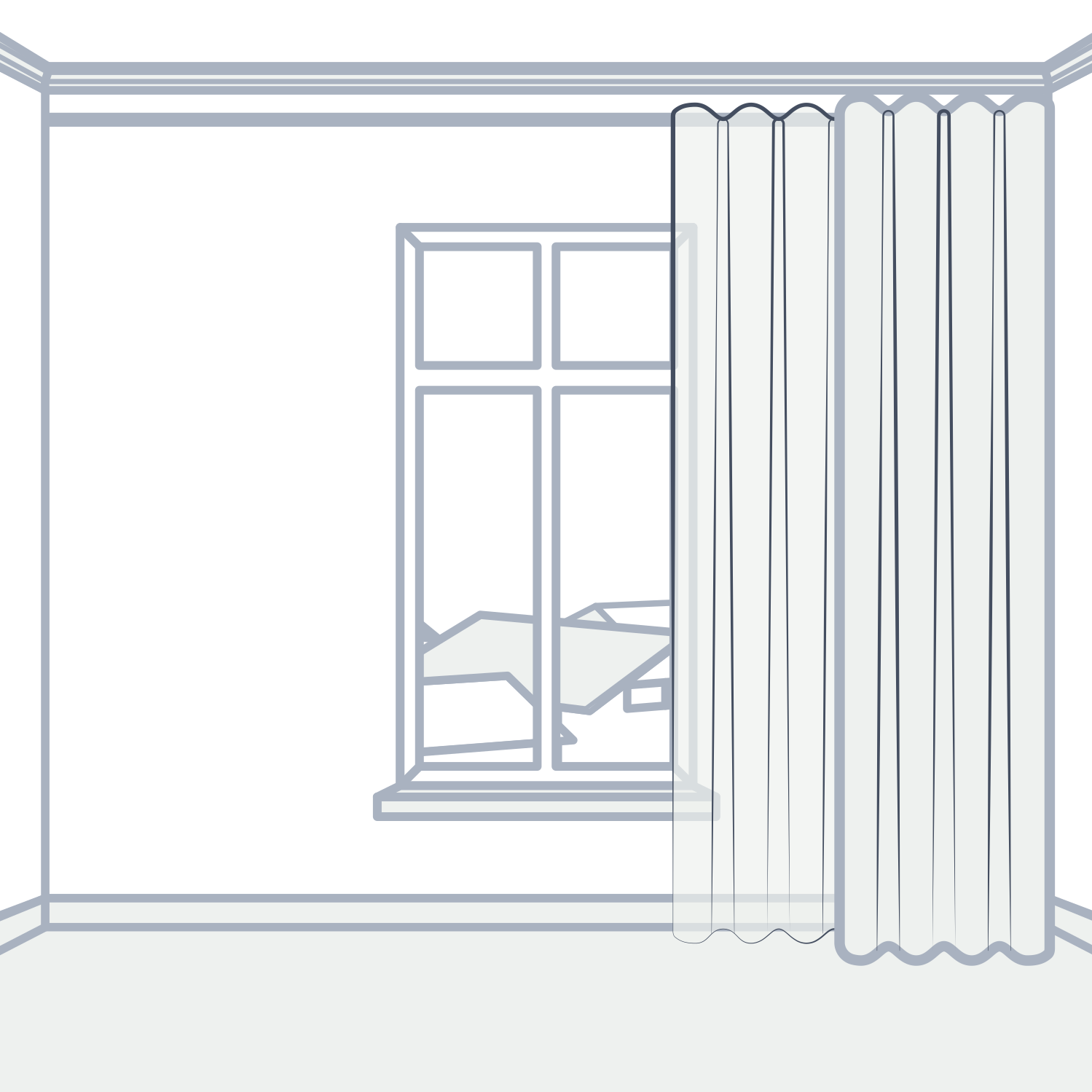
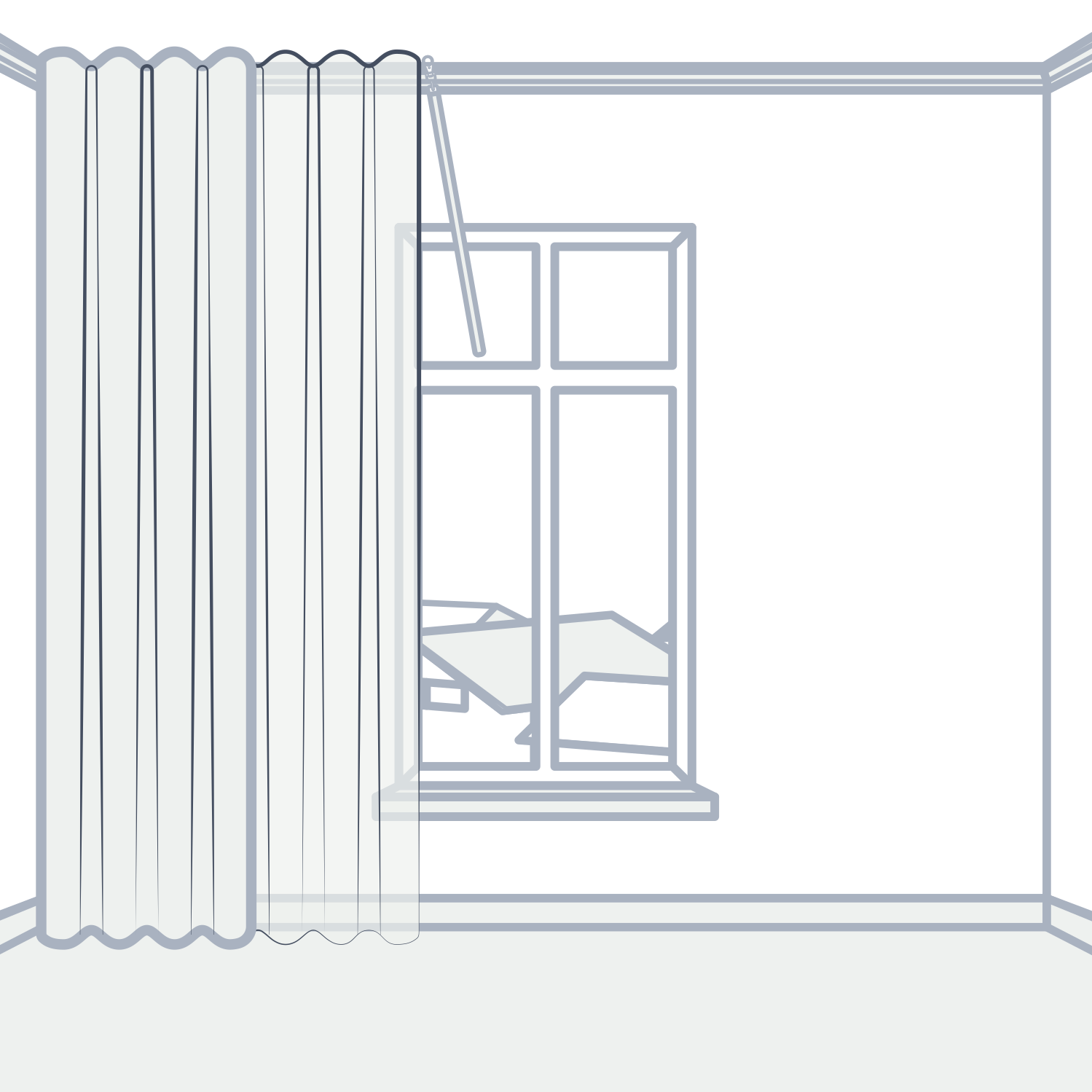
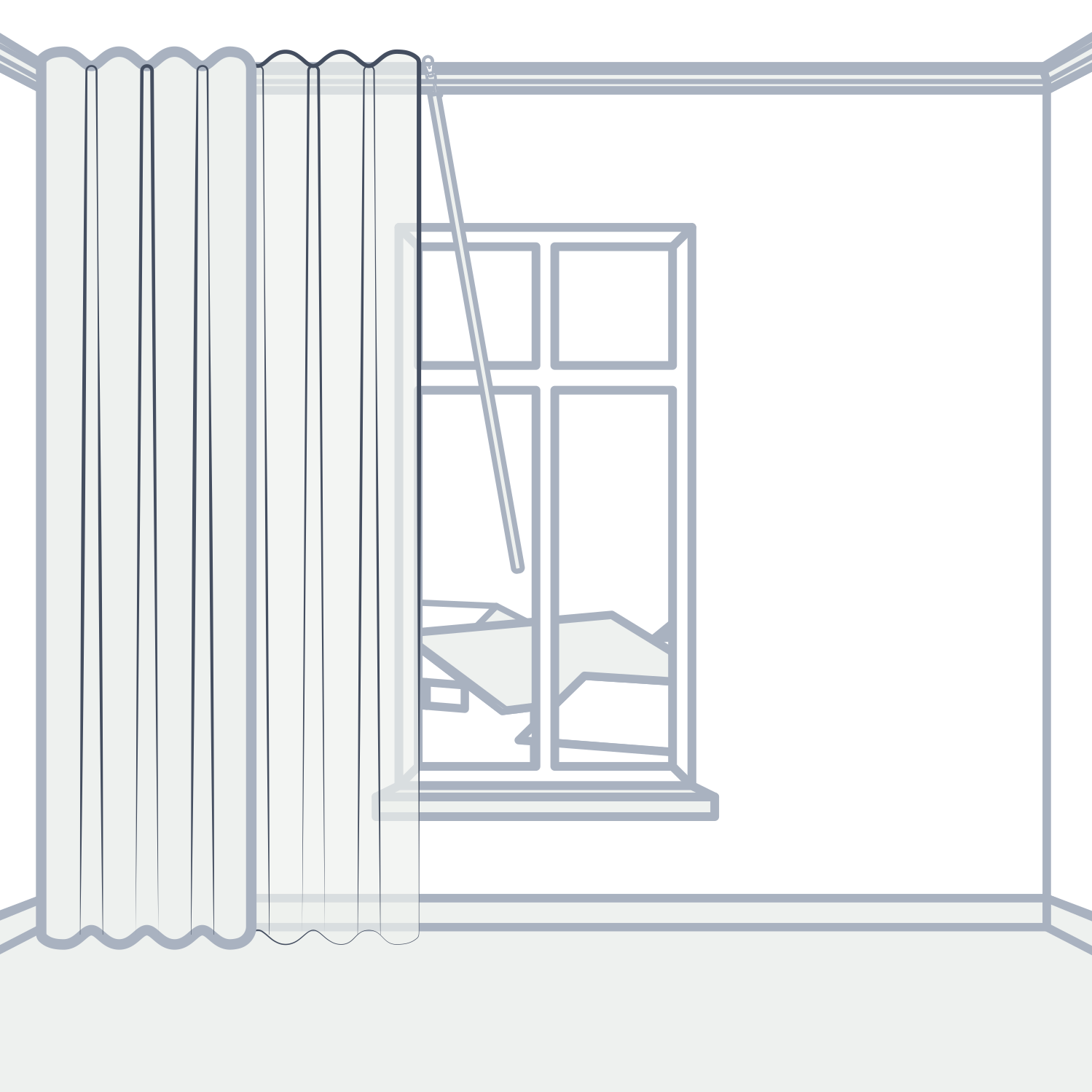
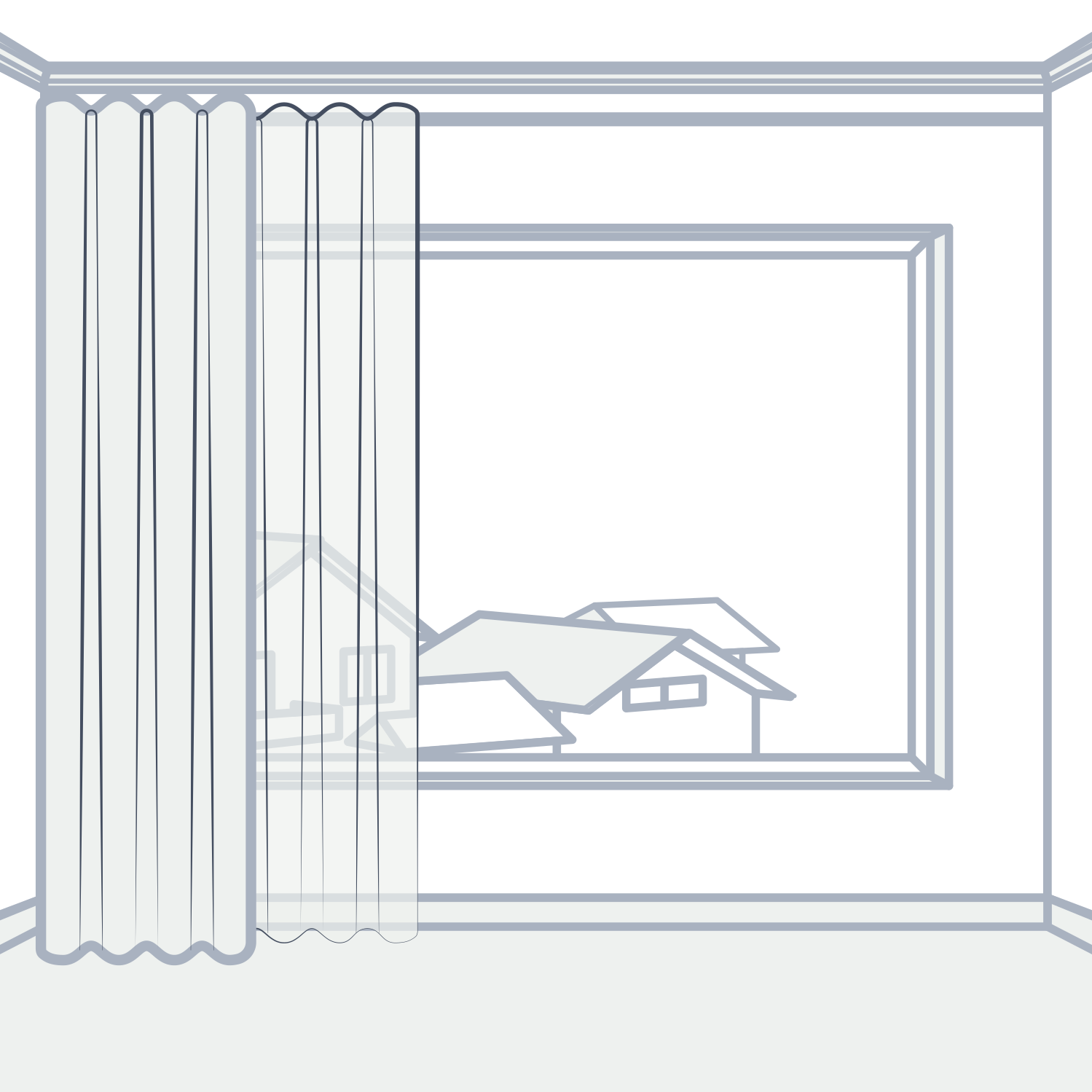
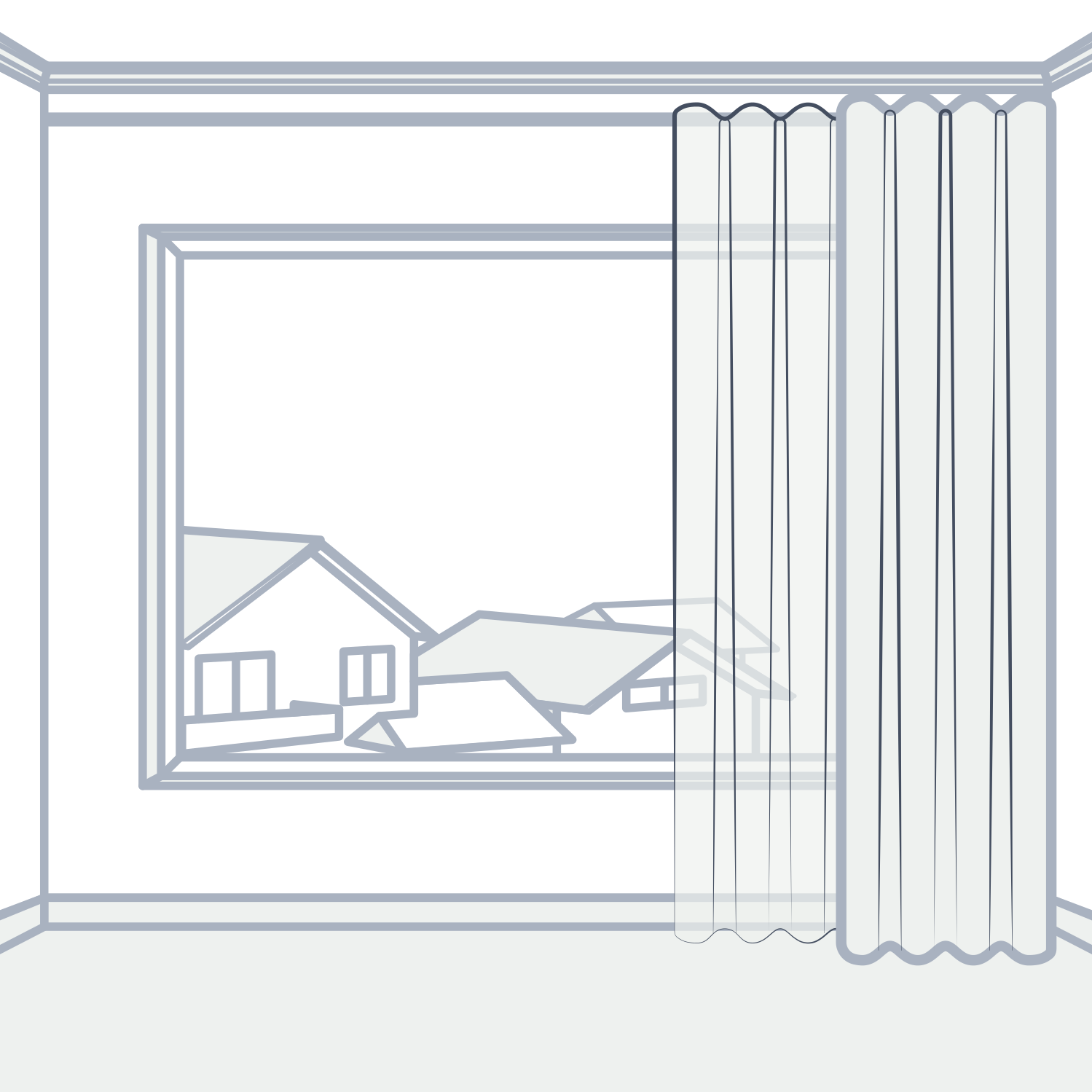
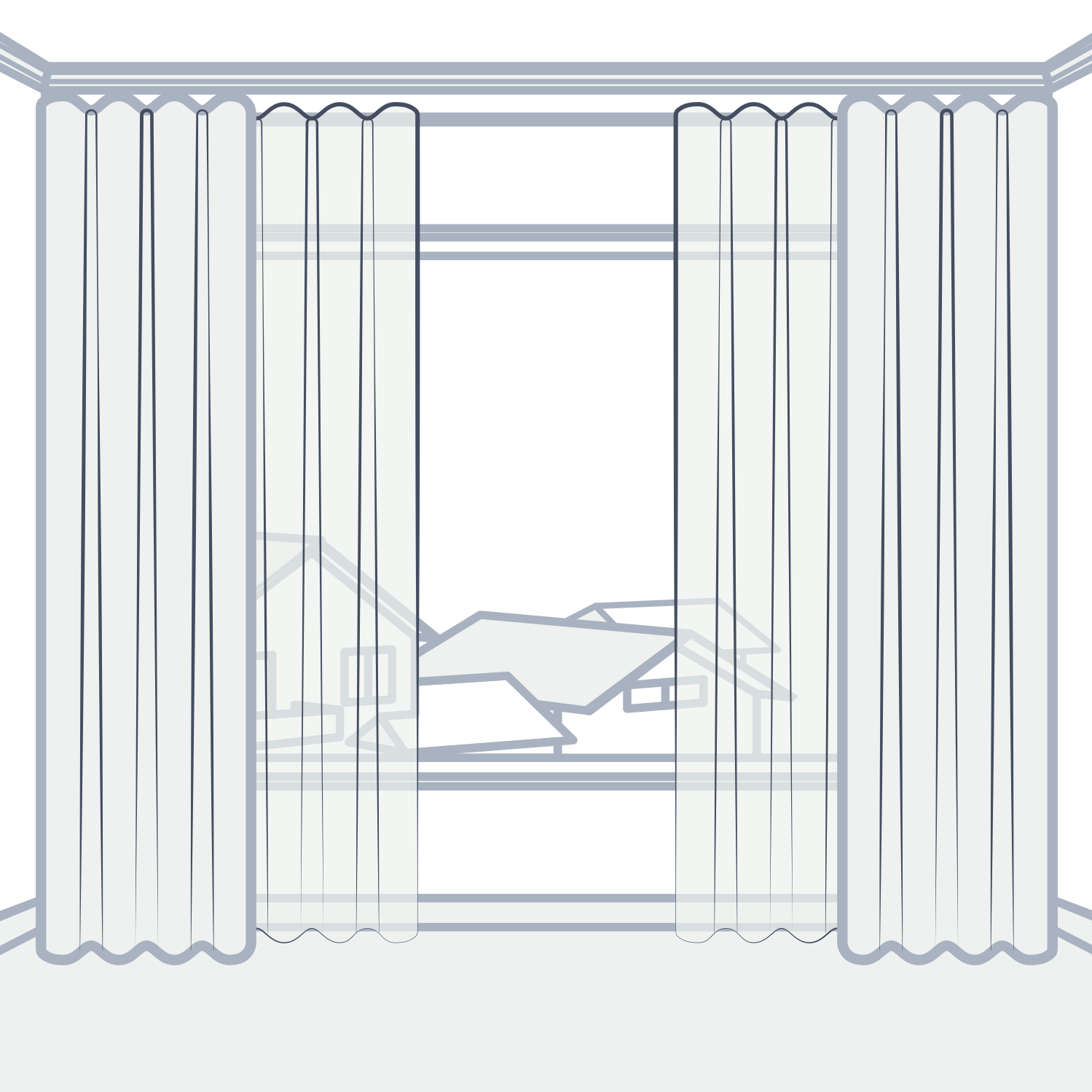
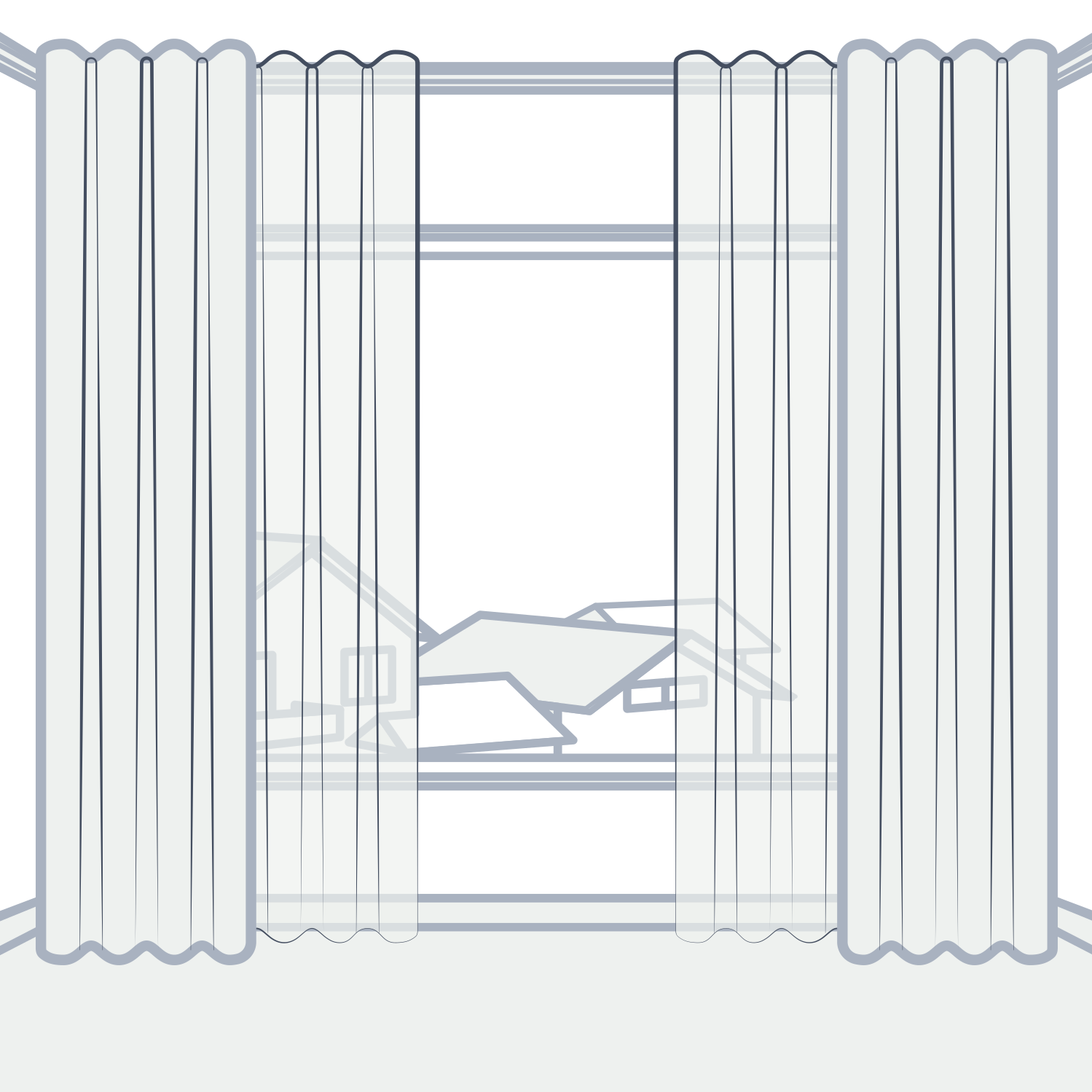
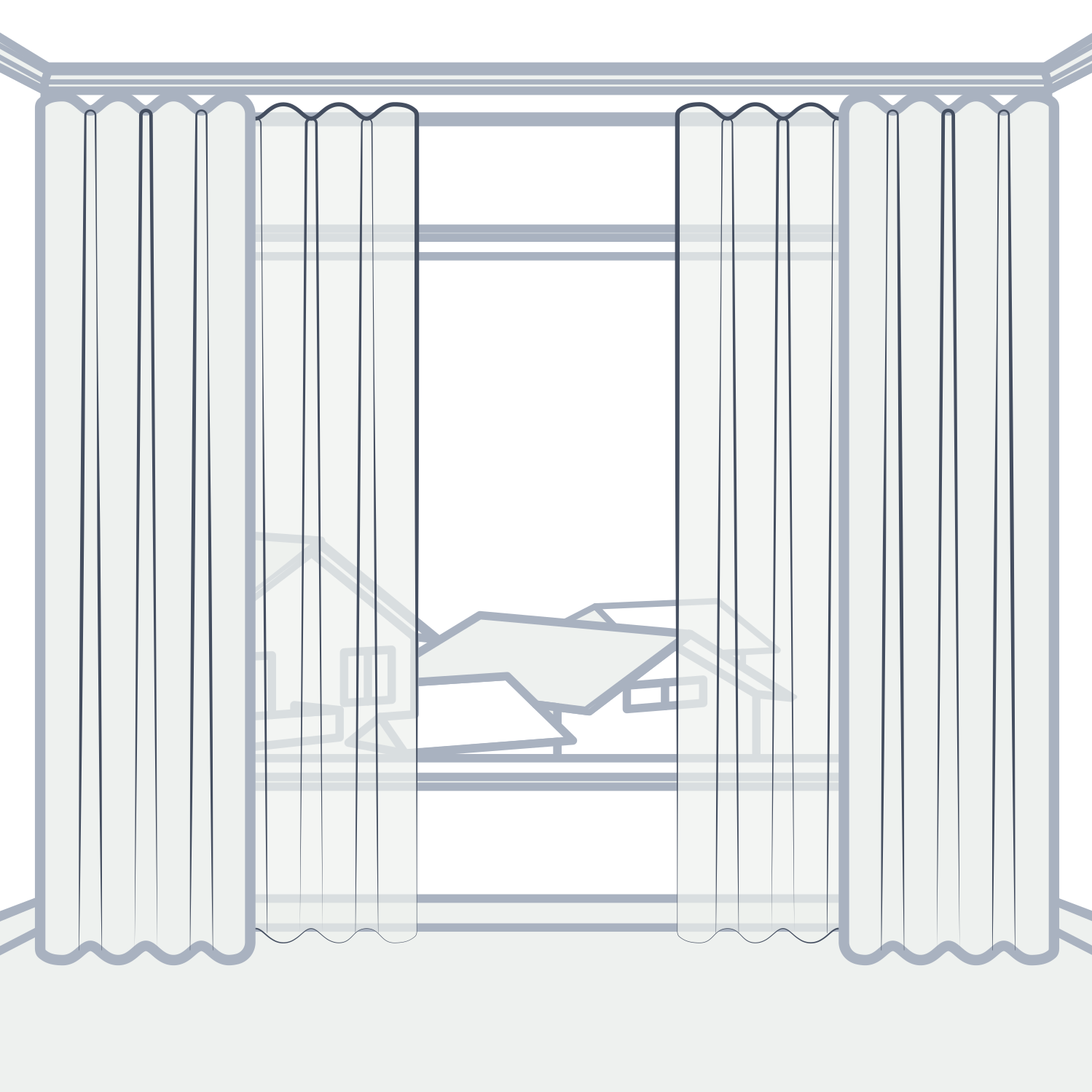
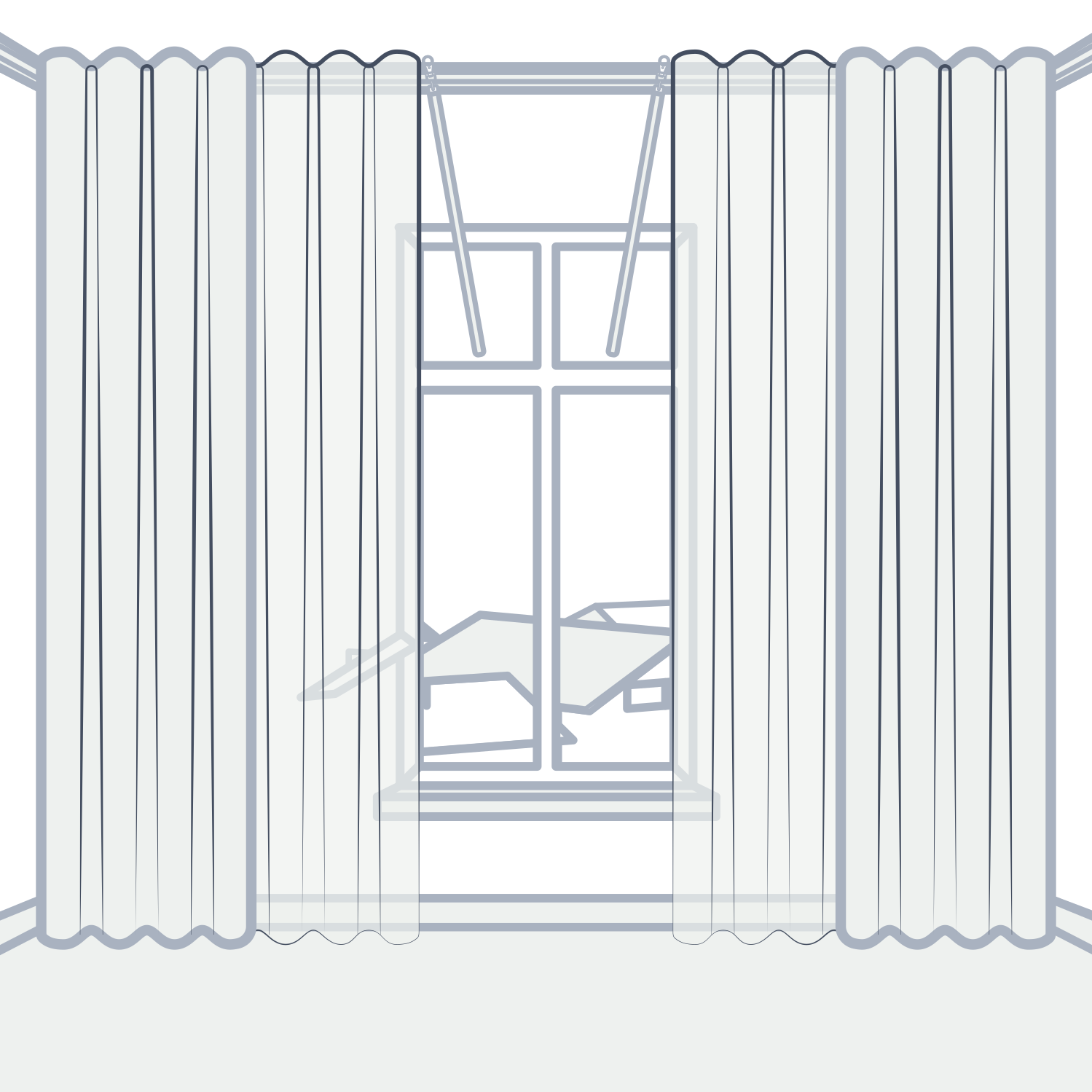
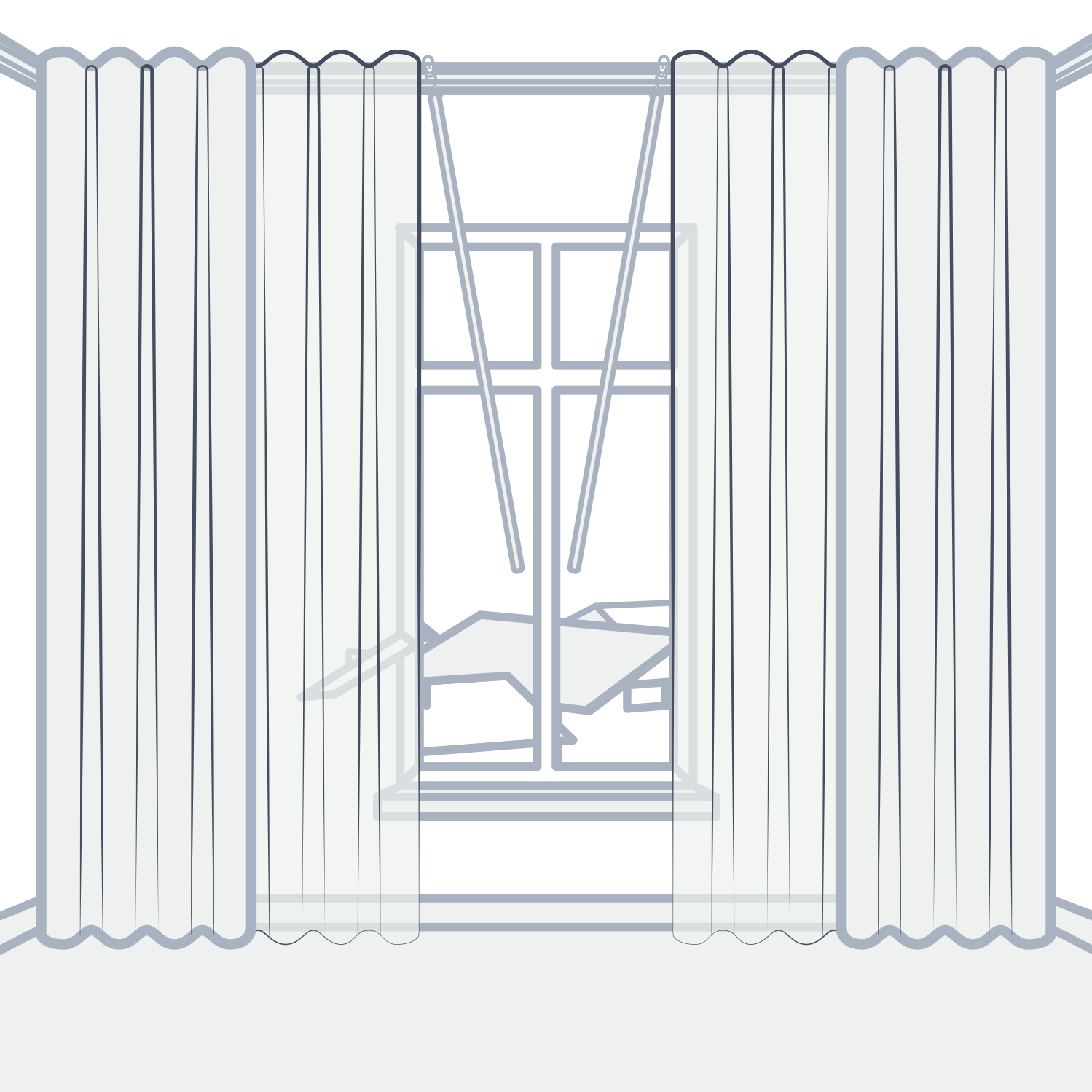
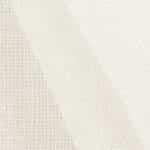
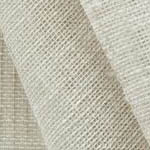
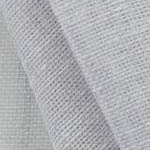
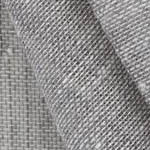
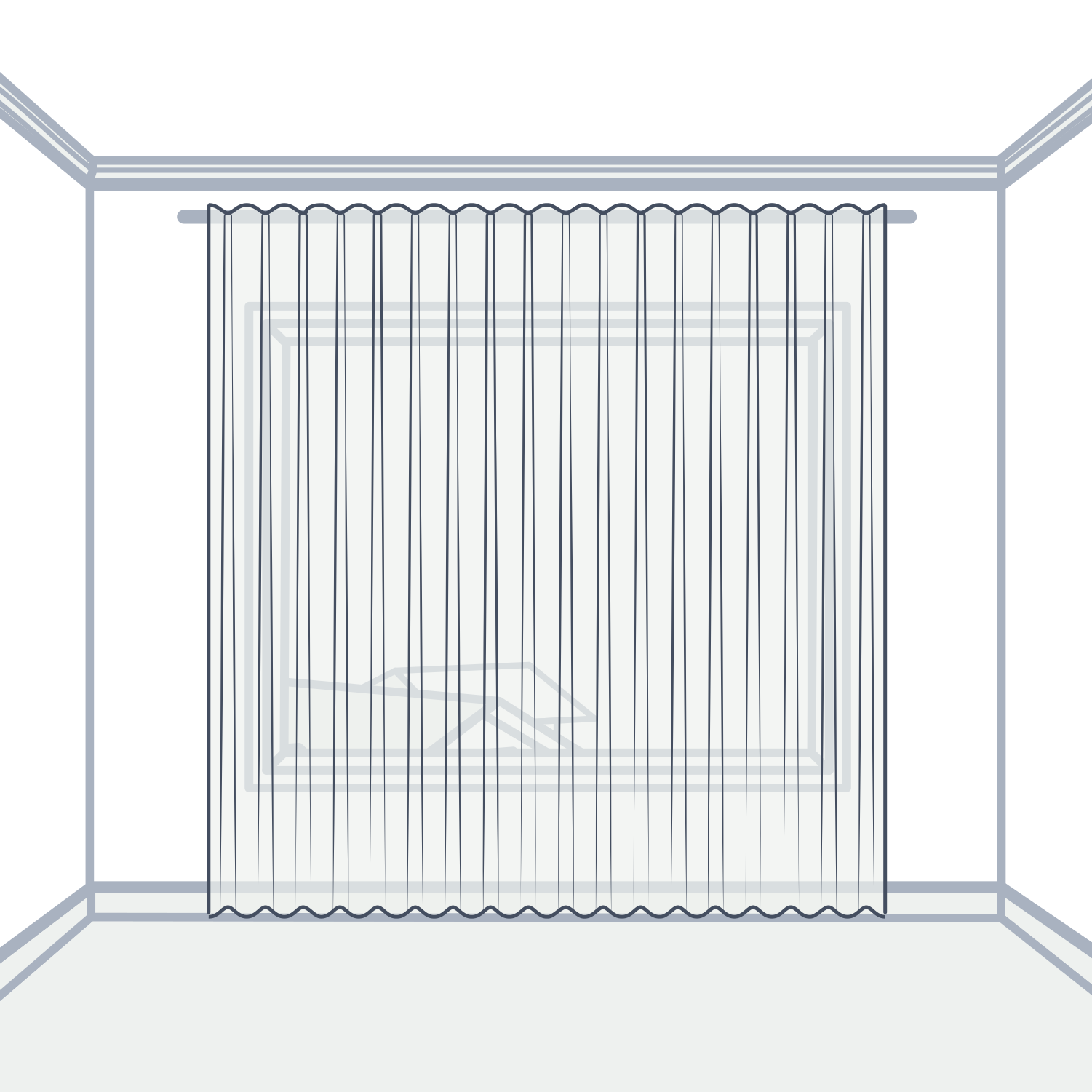
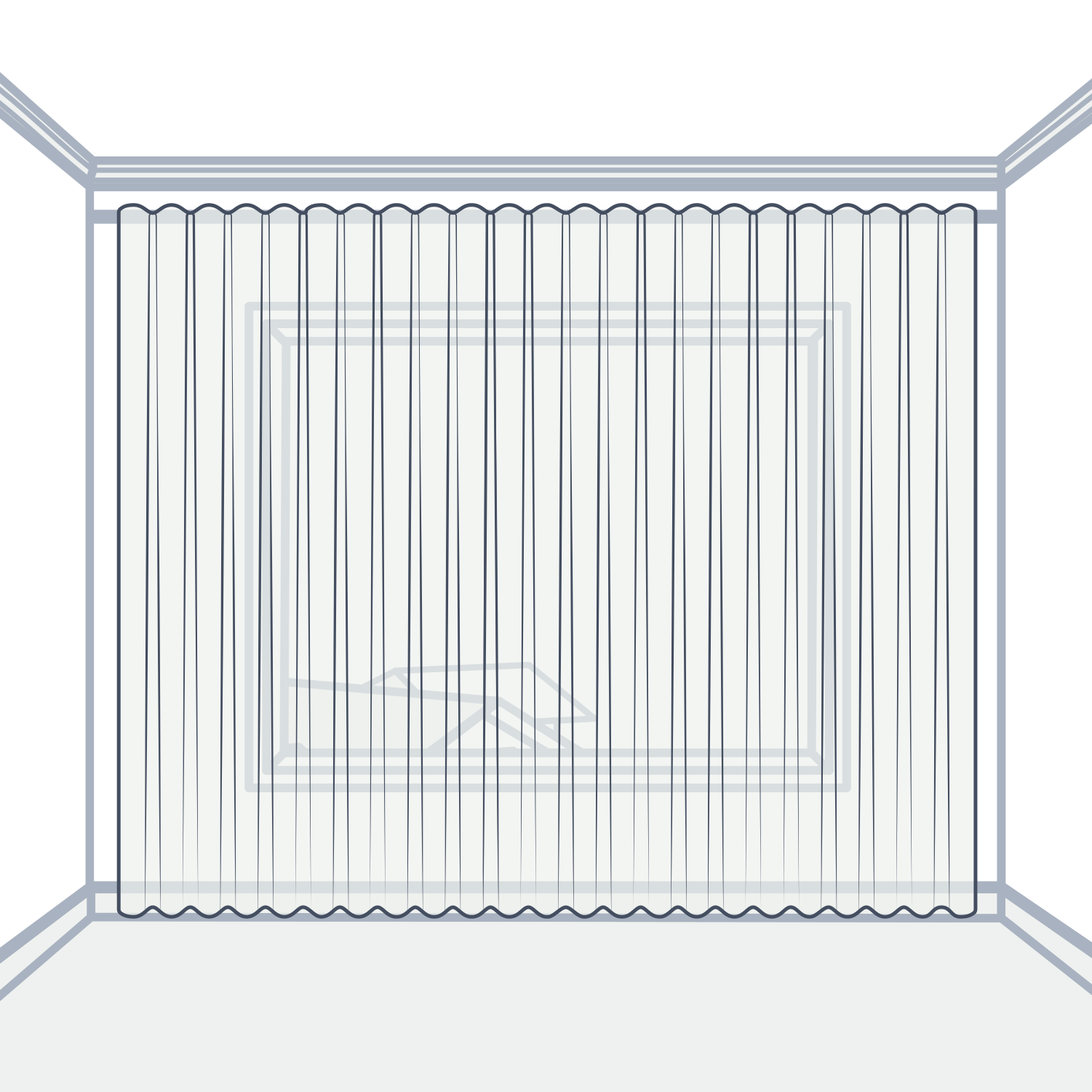
Configure sheer and blockout curtains together for your window. Choose the fabrics, colours and headings, then enter your measurements and select the track arrangement. Stacking, controls, fullness and finishing options are available for the curtain combination you select.
The My Direct difference
Daylight and privacy, on separate layers.
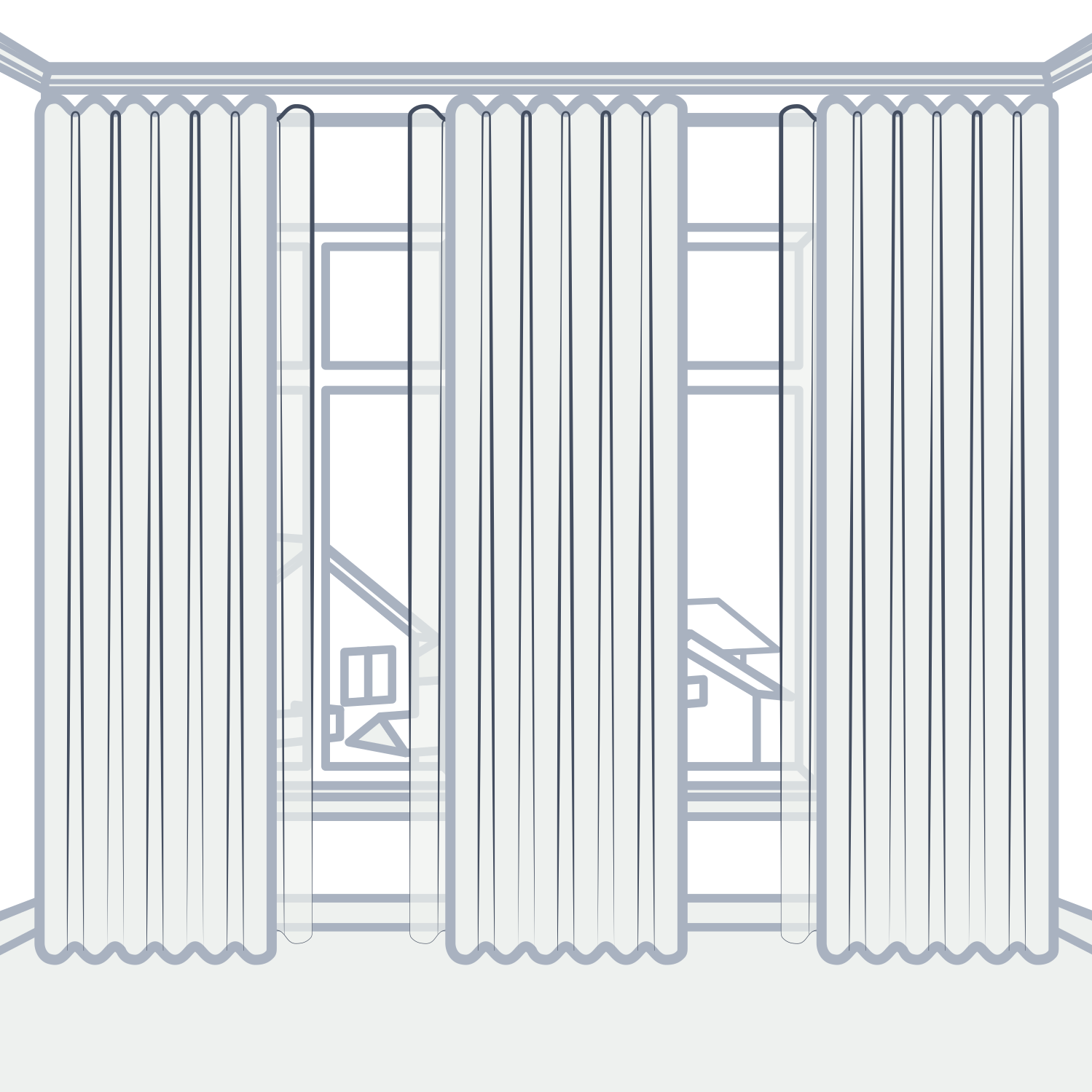
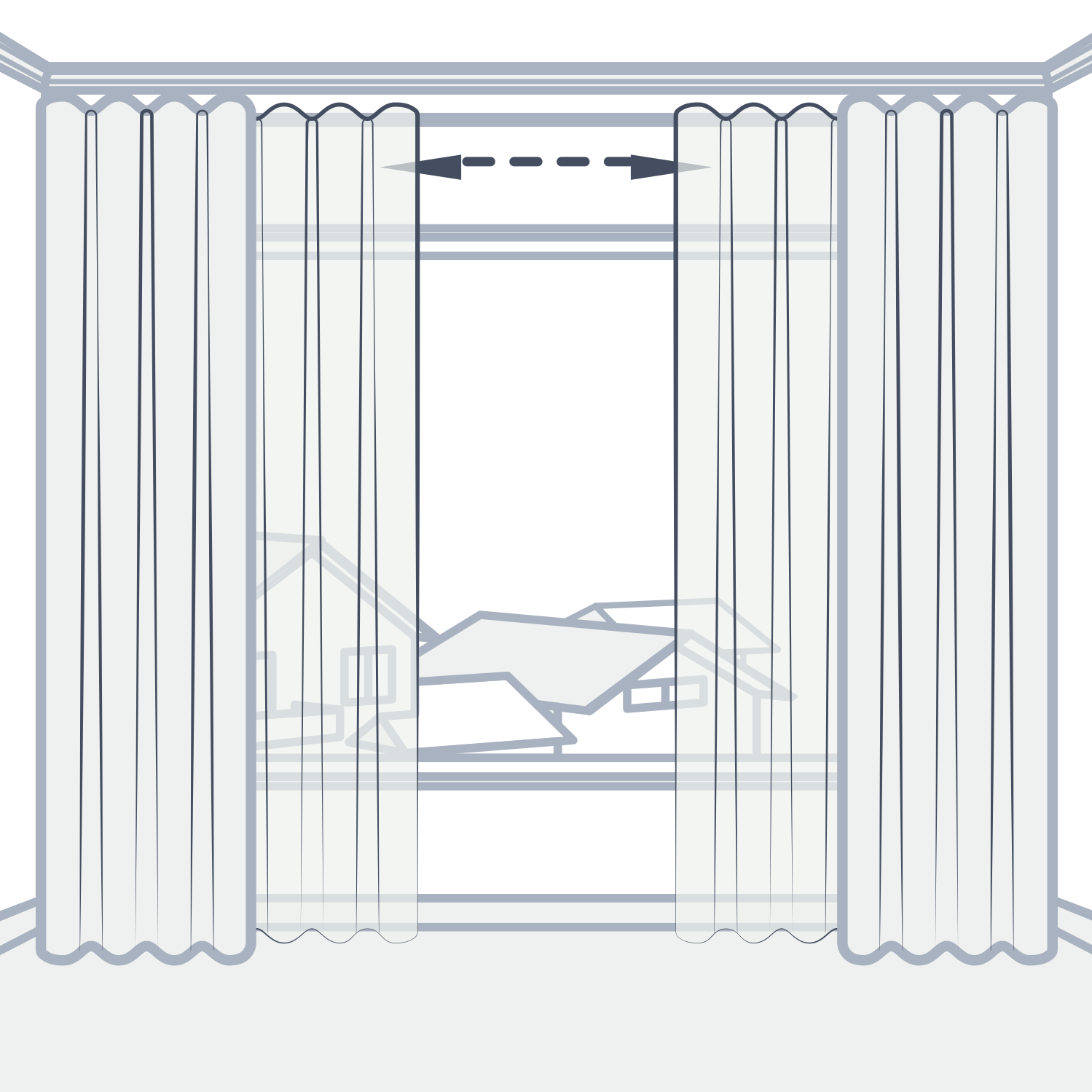
A sheer curtain and a blockout curtain share the window while giving you independent control.
Made for daily use
Considered from the first choice to the finishing detail.
Choose the fabric or material, fit and operating details together. The options above show what is available for your configuration.
01
An adaptable pair
Draw the sheer for softer daylight; close the blockout layer when you want greater privacy.
02
Two independent tracks
Each curtain has its own track, so you can open either layer without moving the other.
03
A considered heading pair
Choose from the compatible heading combinations, allowing room for the fabric to fold and travel.
04
Fullness for each fabric
The offered fullness selections shape how each layer sits across the window.
05
Plan where they gather
Set the available stack and opening choices around the room and the space beside the glass.
06
One coordinated window
Select fabric colours, track finishes and bottom treatments that work together.
Made for the way you use the room
Choose how the curtain should feel—not just how it should look.
Plan the movement, access and daily operation alongside the finish.
Direct and simple
Hand drawn
Draw the curtain by hand on the compatible manual track.
Choose the stack position
Select compatible track flow
Plan access beside the window
A helpful reach
Wand control
Use the offered wand to move the curtain without repeatedly handling the fabric.
Wand lengths shown above
Compatible manual tracks
Opening layout sets wand quantity
Movement at a button
Motorised track
Choose the available motor and control accessories for the curtain.
Battery or hardwired where offered
Compatible stacks shown above
Motor position set in the options
Better specified without the showroom mark-up
Spend & Save, Price Beat protection, Australia-wide delivery and SureFit™ support sit beside the product specification.
Free samples, online pricing and detailed measuring help.
Made for the window
Fit, operation and finishes are selected for each curtain.
Backed after delivery
Product warranty and ongoing support.
Both Tracks: Wand Type
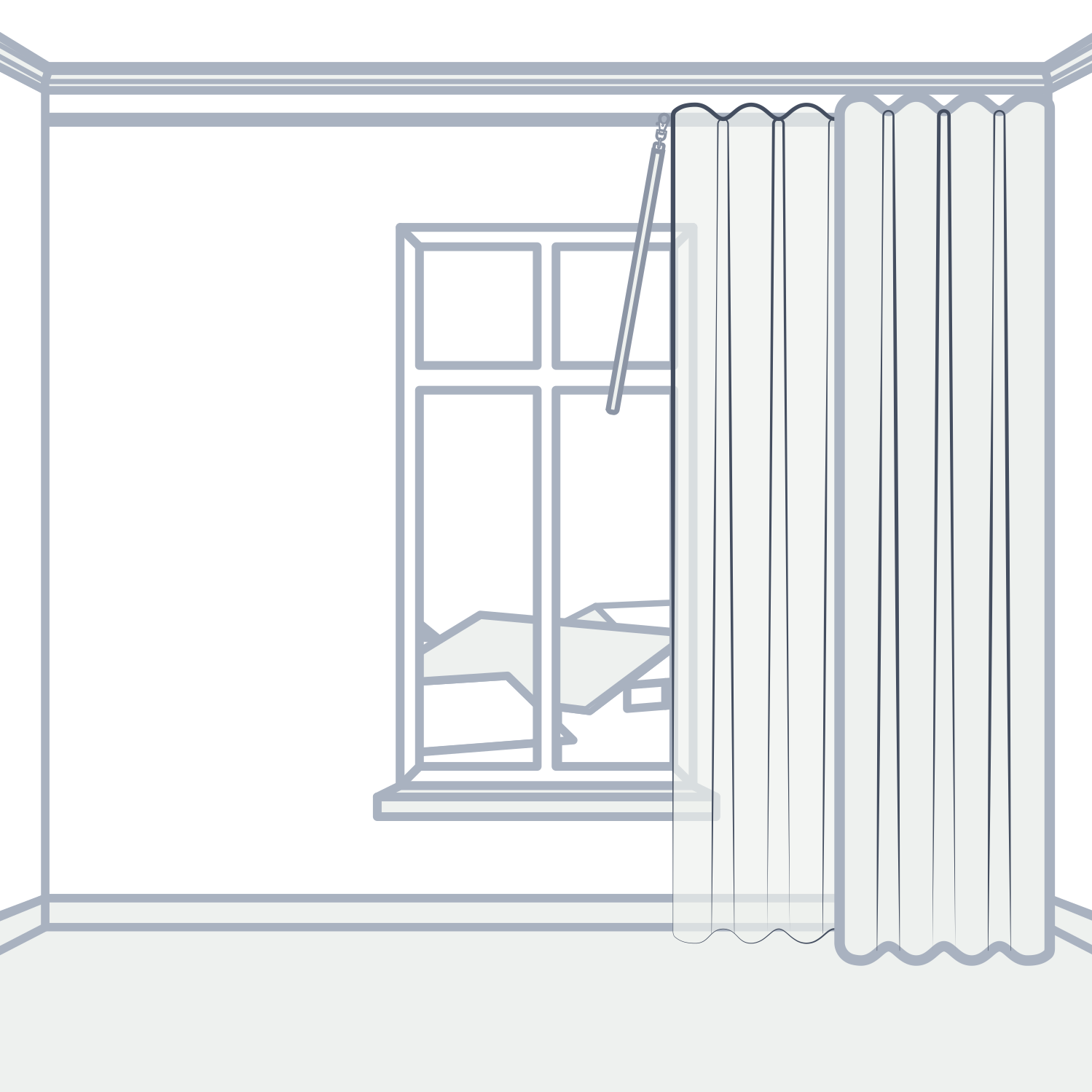
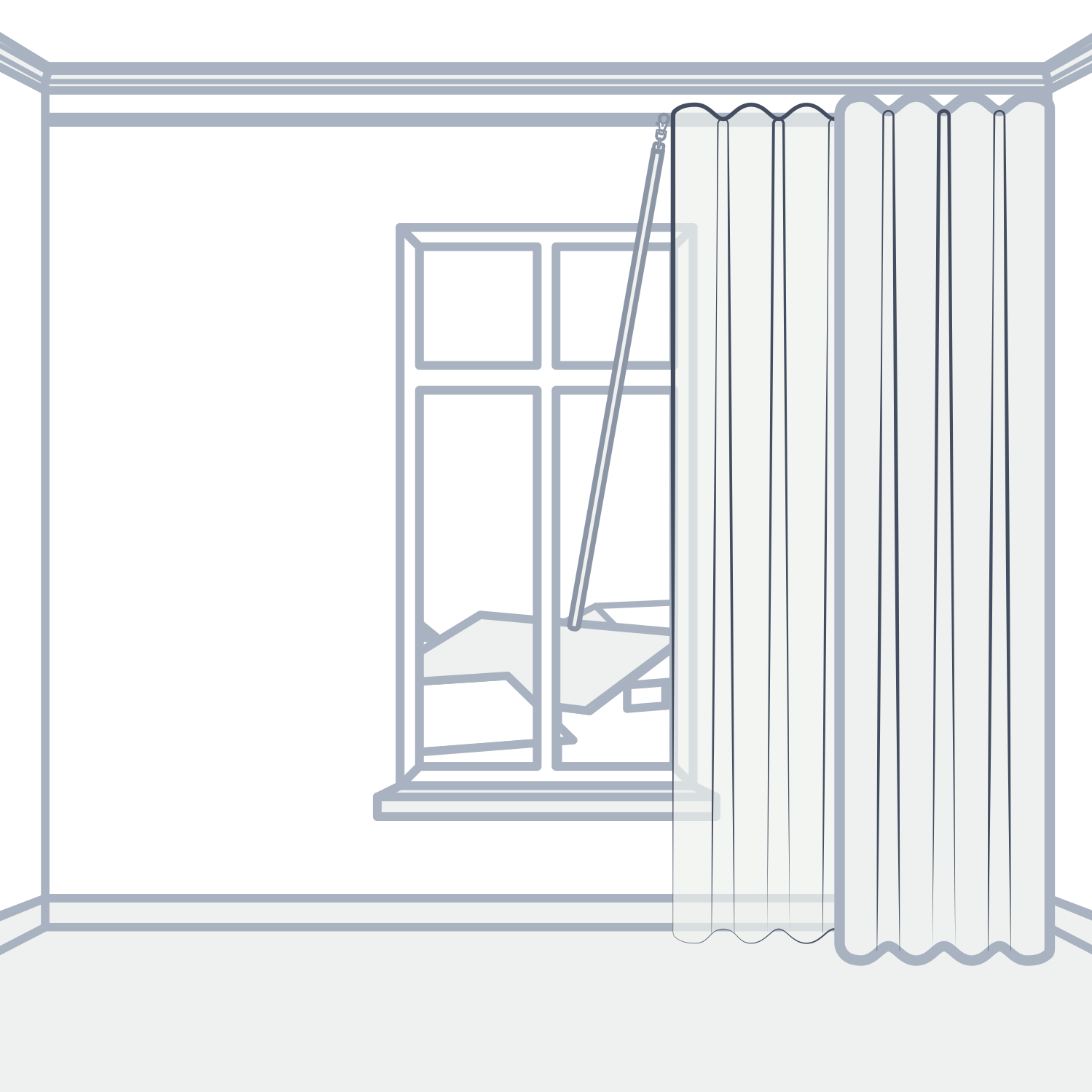
Choose how you'll open and close the curtain by hand: with a wand, or by drawing the fabric itself. Pick a wand length you can reach comfortably from the floor.
No WandNo wand is fitted. You open and close the curtain by drawing the fabric itself.2x 910mm WandA 910mm wand clipped to the leading edge of the curtain. The shorter length suits a standard drop where the handle is easy to reach.2x 1520mm WandA 1520mm wand clipped to the leading edge of the curtain. The longer length keeps the handle within easy reach on a taller drop.
Select 'Galaxy' Colour
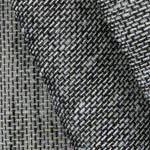
Our heaviest blockout fabric. It is coated so light does not come through the cloth, for bedrooms, media rooms and anywhere you want it dark.
Fabric details
Type
Blockout, coated
Composition
Polyester with an acrylic coating
Fabric width
300cm, continuous
Weight
About 395gsm
Flame retardancy
Tested to AS/NZS 1530.3
Light and privacy
The coated fabric is opaque, so light does not come through the cloth. Some light can still come in around the edges, top and bottom of the curtain.
Care
Vacuum gently and regularly with a soft brush attachment.
Spot clean with care, and test it on a hidden part first.
Do not use a washing machine. Professional wet cleaning with a mild detergent, such as a wool wash, is recommended. If you hand wash, use cool to warm water (40°C at most). Curtains are heavy when wet.
Take off hooks, rings and trims before cleaning.
Do not bleach, soak, rub or wring, and do not tumble dry.
Hang the curtains by their hooks to drip dry in the shade, so the coated sides do not touch. Do not use pegs or fold them over a clothes line.
Iron the fabric side only, never the coated side.
Do not dry clean.
Fabrics can shrink by up to 3% after cleaning.
Before you order
Colour and texture can vary slightly between fabric rolls and samples. Order free samples and look at them in your own light, by day and at night.
Curtain Stack: Motorised Curtain
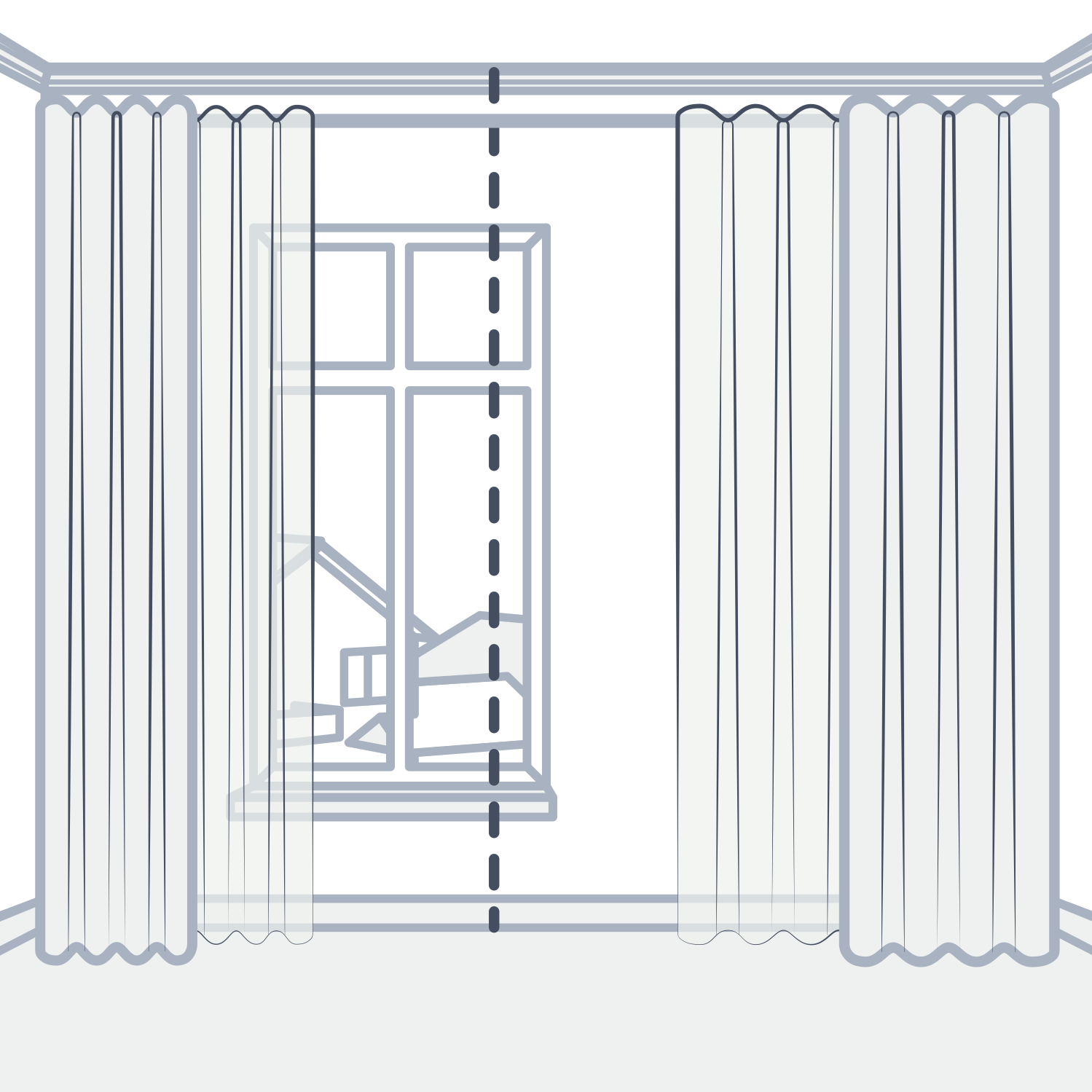
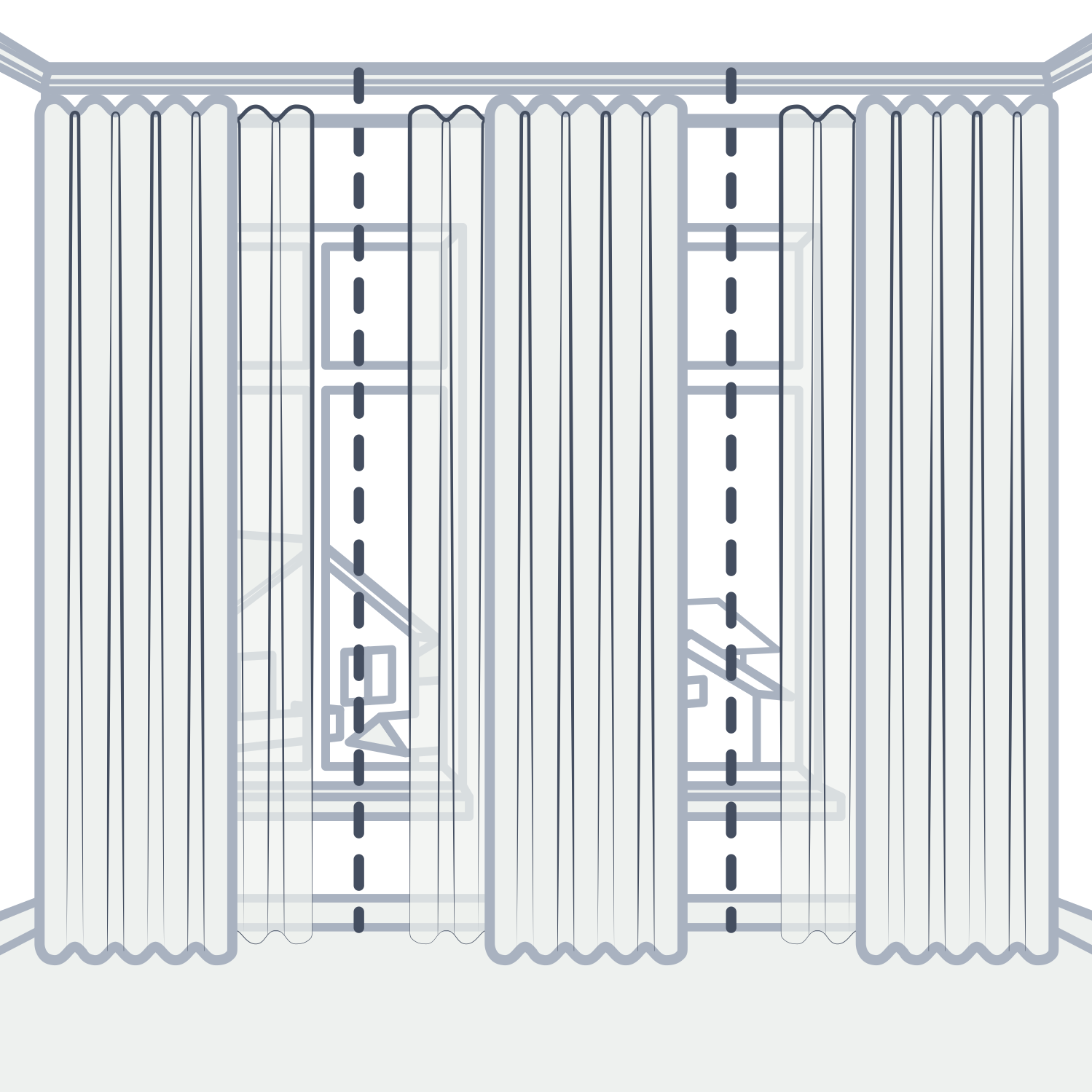
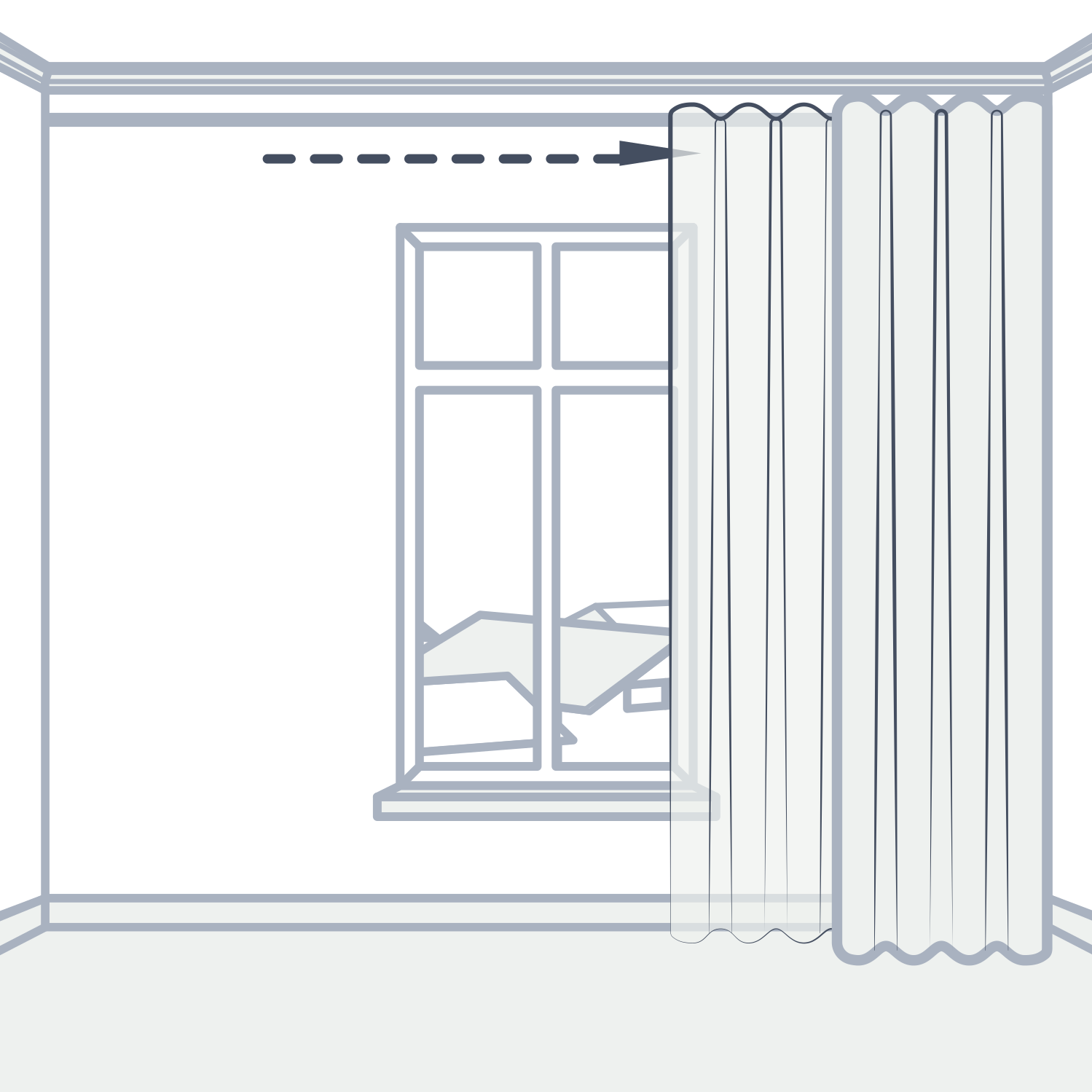
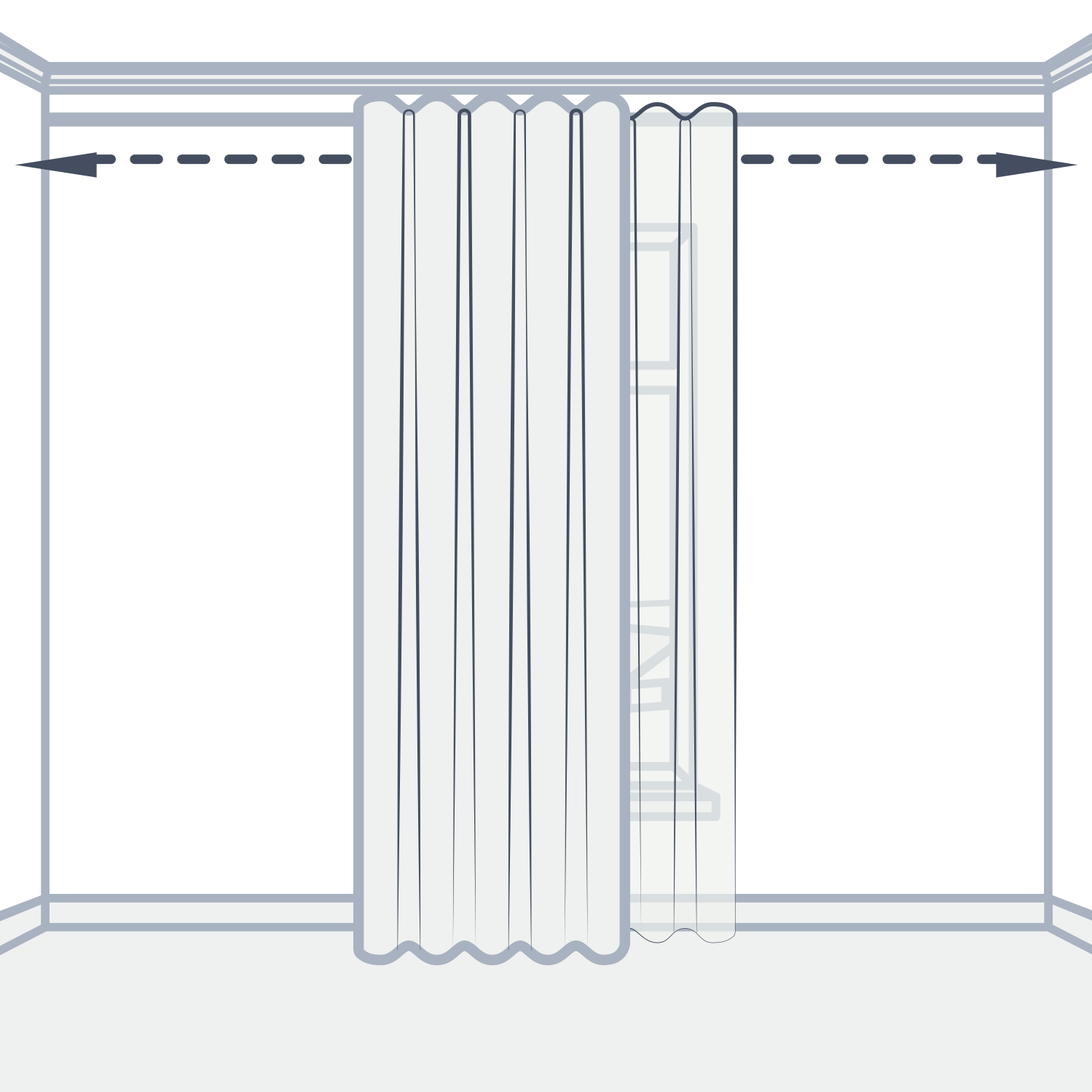
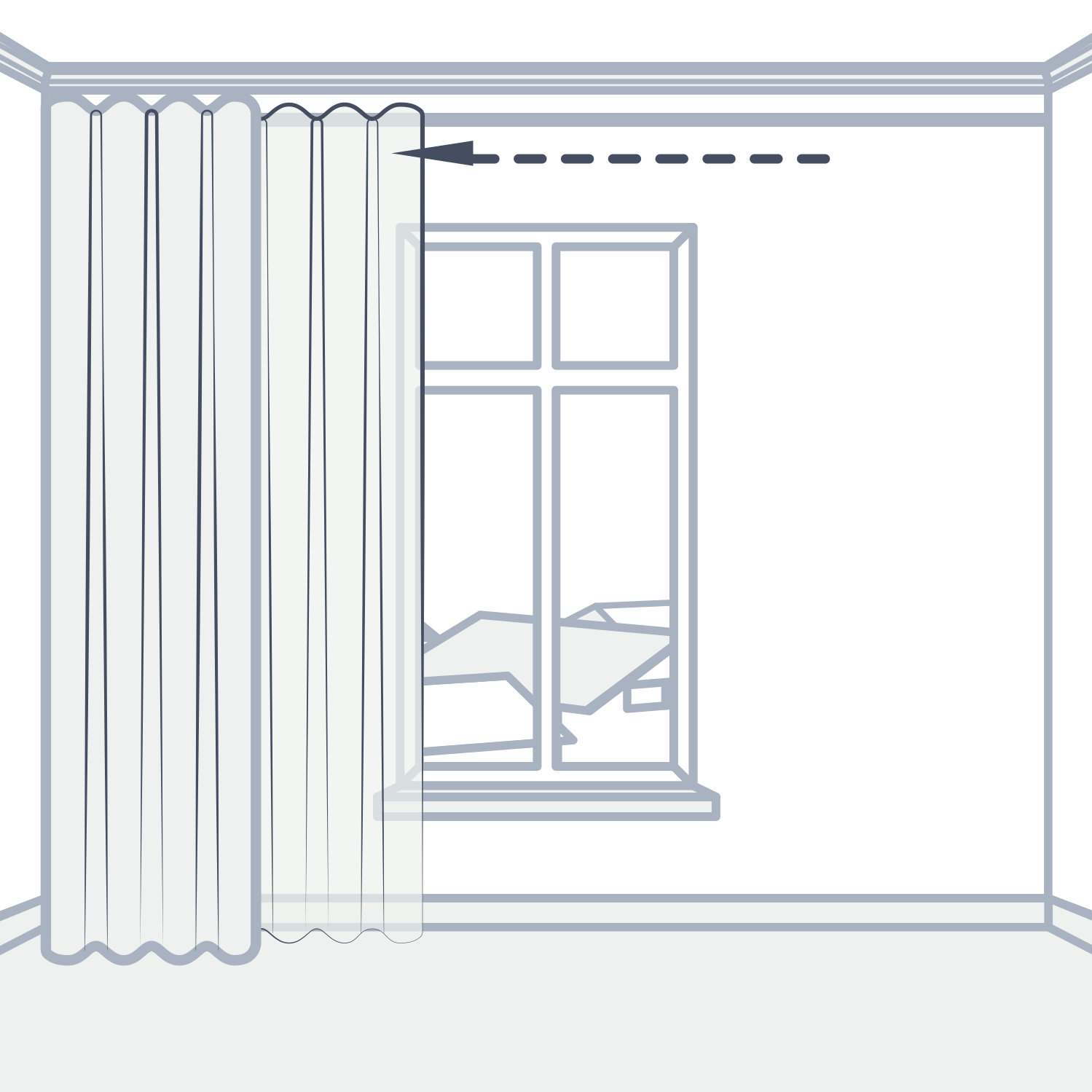
Choose which side (or sides) the fabric gathers to when the curtain is open. Pick the side that stays clear of doors, windows or anything else you use often.
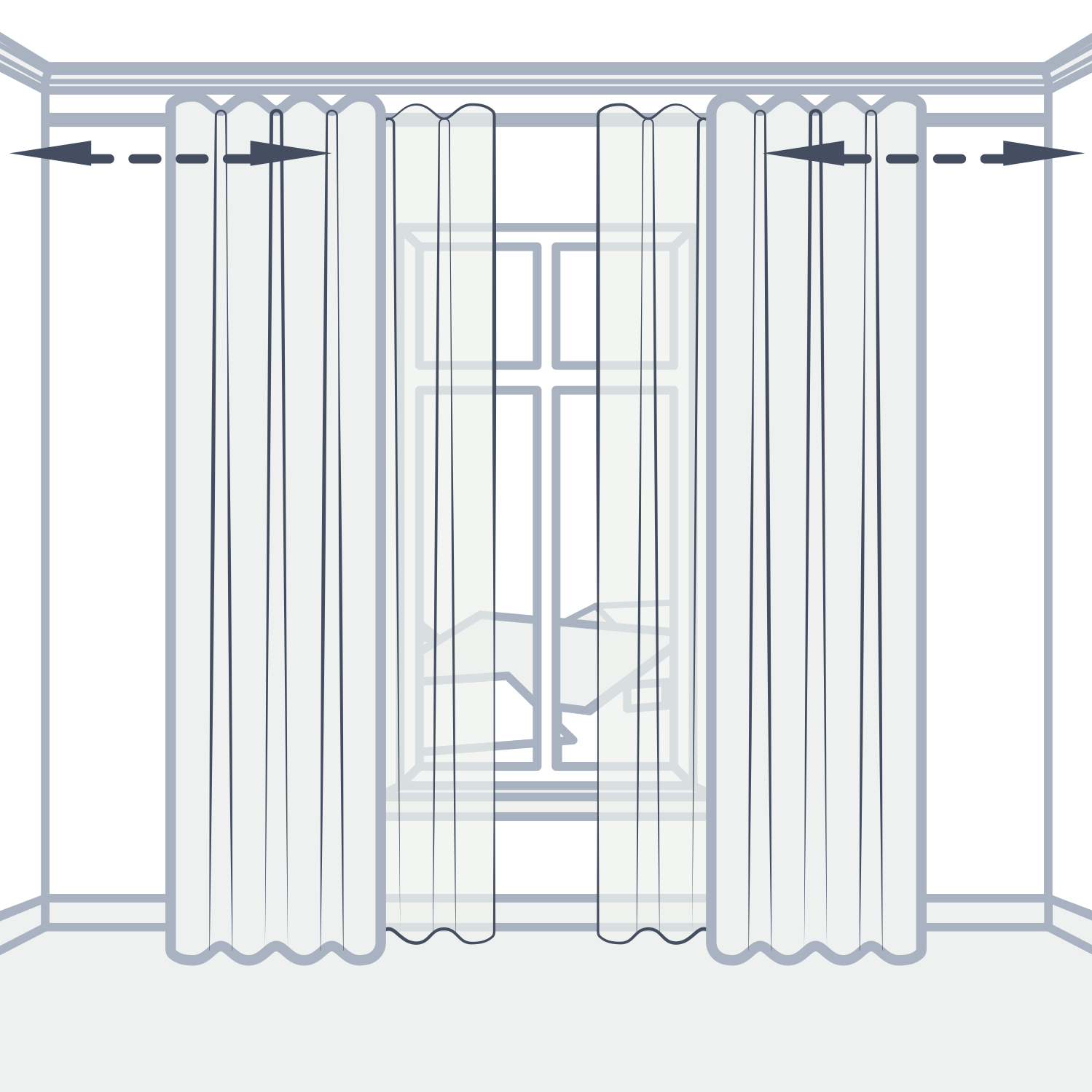
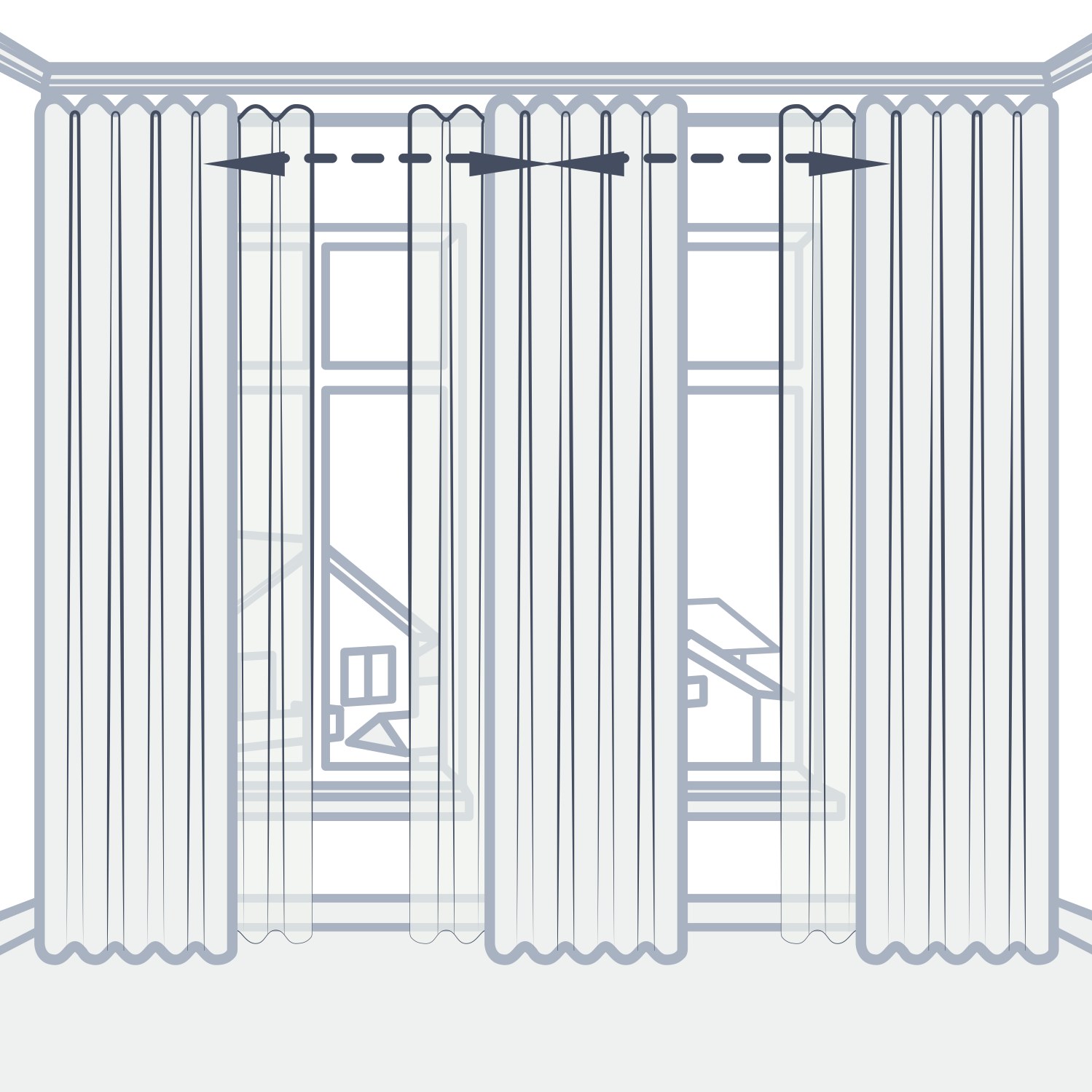
Left StackAll the fabric gathers to the left when you open the curtain. Best when the left side is free of doors or windows you need to open regularly.Right StackAll the fabric gathers to the right when you open the curtain. Best when the right side is free of doors or windows you need to open regularly.Centre OpeningA pair of panels that open from the centre and gather to each side as you draw them open – the classic look for a single window or a wide opening.
Good to know
On a wall-to-wall window or door, a one-way stack takes up about 30% of the track width, and a centre opening about 15% on each side.
Fitting Type
Choose whether the track fixes to the ceiling (top fit) or the wall (face fit). Consider your cornices, and check clearance around handles and other window furnishings.
Ceiling Fit / Top FitThe track fixes to the ceiling. Suits straight-edge ceilings with no cornices, and also works fitting inside a cornice; curtains attach best to ceiling battens.Face FitThe track fixes to the wall rather than the ceiling. Curtains fixed this way are called face mount, and can attach to studs, concrete, stone, brick or tile.
Good to know
The larger your cornice, the bigger the gap between a ceiling-fit curtain and the window, so a face fit may suit better.
Curtain Split: Non Motorised Curtain
Choose how many splits your curtain has and where they sit on the track. A split lets each section move independently – handy for bi-fold or sliding doors.
One Custom SplitA single division on the track at a position you specify, splitting the curtain into two independently operated sections.Two Custom SplitsTwo divisions on the track at positions you specify, splitting the curtain into three independently operated sections.
Good to know
Splitting is especially useful for bi-fold and sliding doors, so you can move just the section you need.
Motorised Track: Motor Selection
Choose the type of motor for your curtain – battery-powered or hardwired. This decides what else you'll need for power and installation.
1x Battery PoweredA rechargeable motor installed without mains wiring. You'll need a compatible charger to keep it powered.1x Hard WiredA mains-powered motor that a licensed electrician connects. Suits new builds and renovations, where the power can be planned in advance.
Good to know
Battery motors need a compatible charger.
Hardwired motors need a licensed electrician to connect them.
Track Colour: Both Tracks
Choose the visible colour of the track itself, separate from your fabric colour. Match it to the ceiling, wall, window frame or other fittings nearby.
WhiteA white track finish that recedes against light-coloured walls and ceilings, keeping the focus on the curtain fabric rather than the track itself.BlackA black track finish, giving a bolder, more visible line above the curtain. Useful where you want to match dark window frames, fittings or other hardware nearby.Anodised SilverA silver-toned track finish. Consider it where you want the track to sit alongside other silver fittings, hardware or trims already in the room, rather than standing out against them.
Select 'Blockout' Fabric Range
Choose a fabric range, then its colour. Both our blockouts are coated, so light does not come through the cloth.
GalaxyEpic
Compare the ranges
Range
Look
Weight
Galaxy
Our heaviest blockout, coated
About 395gsm
Epic
Blockout coated in three layers (three-pass)
About 273gsm
Light and privacy
The coated fabric is opaque, so light does not come through the cloth. Some light can still come in around the edges, top and bottom of the curtain.
Care
Vacuum gently and regularly with a soft brush attachment.
Spot clean with care, and test it on a hidden part first.
Do not use a washing machine. Professional wet cleaning with a mild detergent, such as a wool wash, is recommended. If you hand wash, use cool to warm water (40°C at most). Curtains are heavy when wet.
Take off hooks, rings and trims before cleaning.
Do not bleach, soak, rub or wring, and do not tumble dry.
Hang the curtains by their hooks to drip dry in the shade, so the coated sides do not touch. Do not use pegs or fold them over a clothes line.
Iron the fabric side only, never the coated side.
Do not dry clean.
Fabrics can shrink by up to 3% after cleaning.
Before you order
Colour and texture can vary slightly between fabric rolls and samples. Order free samples and look at them in your own light, by day and at night.
Both Motorised Curtains: Curtain Fullness
Fullness is how much fabric is used compared with the finished curtain width – for example, 200% uses about twice that width. More fullness gives a denser, more folded curtain.
200%Uses about twice the finished curtain width in fabric – the lightest fullness on offer here. The folds sit flatter, giving a simpler, less bulky look when the curtain is closed.225%Uses about 2.25 times the finished curtain width in fabric, a touch fuller than 220% for slightly deeper, more defined folds.250%Uses about 2.5 times the finished curtain width in fabric, producing a full curtain with good body and depth of fold when drawn closed.
Track Configuration
For a double curtain, choose whether both tracks share the same profile or each has its own.
The same track for both curtainsBoth the front and rear tracks of your double curtain share the same profile, for a consistent look front and back.Different track for each curtainThe front and rear tracks of your double curtain can each have their own profile – useful if you want to mix heading and control styles between the two layers.
Sheer Curtain: Curtain Fullness
Fullness is how much fabric is used compared with the finished curtain width – for example, 200% uses about twice that width. More fullness gives a denser, more folded curtain.
220%Uses about 2.2 times the finished curtain width in fabric, giving a little more fold and body than 200% while still sitting fairly flat.240%Uses about 2.4 times the finished curtain width in fabric, giving noticeably fuller folds – a good middle-ground choice for many headings.
Curtain Splits
Choose how many splits your curtain has and where they sit on the track. A split lets each section move independently – handy for bi-fold or sliding doors.
One Custom SplitA single division on the track at a position you specify, splitting the curtain into two independently operated sections.Two Custom SplitsTwo divisions on the track at positions you specify, splitting the curtain into three independently operated sections.
Good to know
Splitting is especially useful for bi-fold and sliding doors, so you can move just the section you need.
Both Tracks: Wand Type
Choose how you'll open and close the curtain by hand: with a wand, or by drawing the fabric itself. Pick a wand length you can reach comfortably from the floor.
No WandNo wand is fitted. You open and close the curtain by drawing the fabric itself.4x 910mm WandA 910mm wand clipped to the leading edge of the curtain. The shorter length suits a standard drop where the handle is easy to reach.4x 1520mm WandA 1520mm wand clipped to the leading edge of the curtain. The longer length keeps the handle within easy reach on a taller drop.
Both Curtains: Select Curtain Heading Type
Choose the style stitched into the top of the curtain, which shapes how it folds and hangs below.
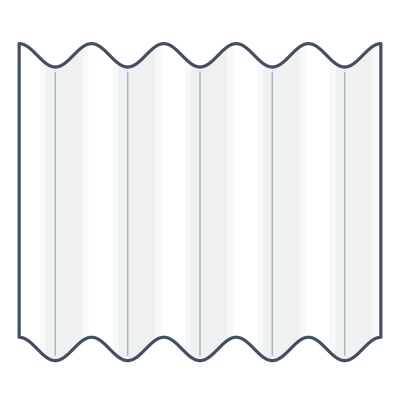
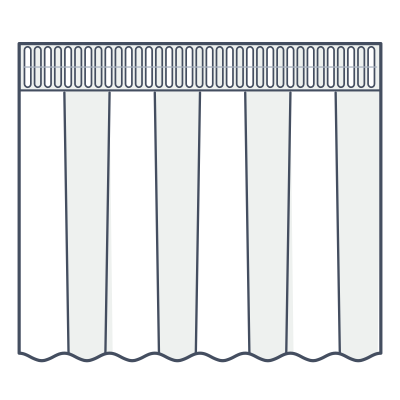
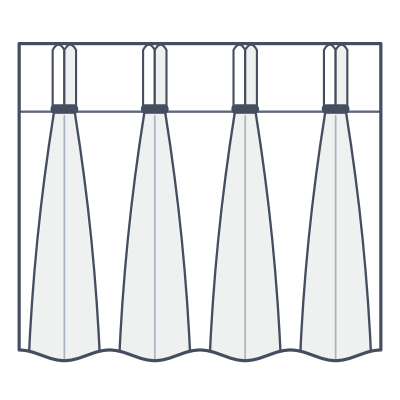
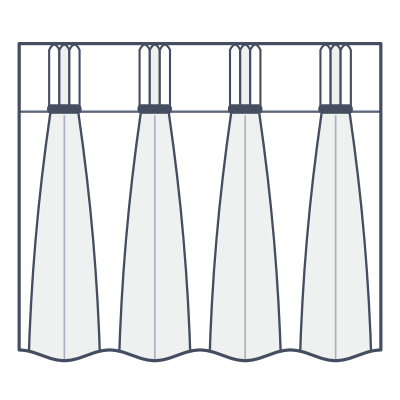
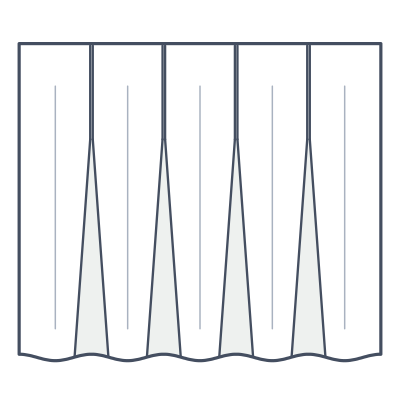
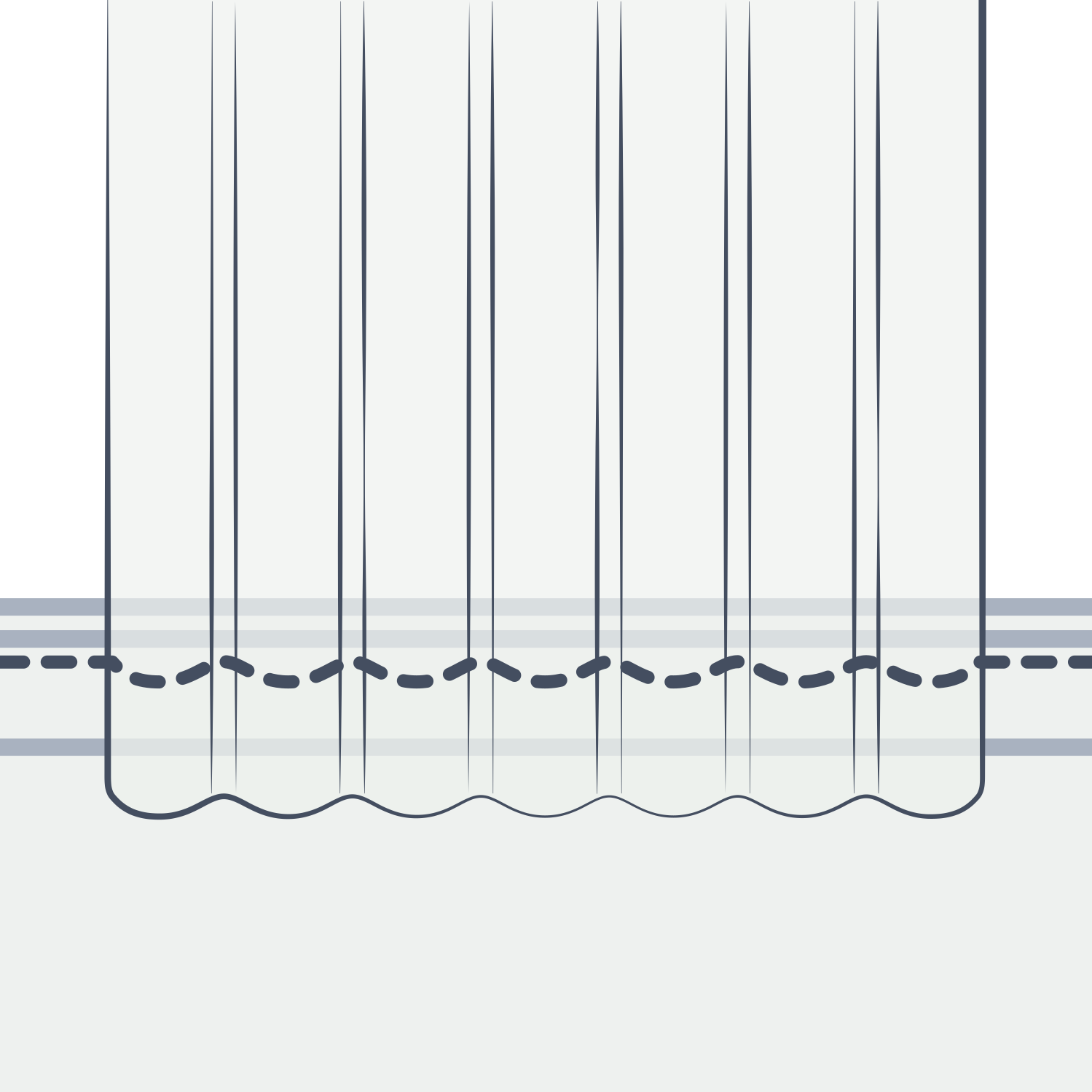
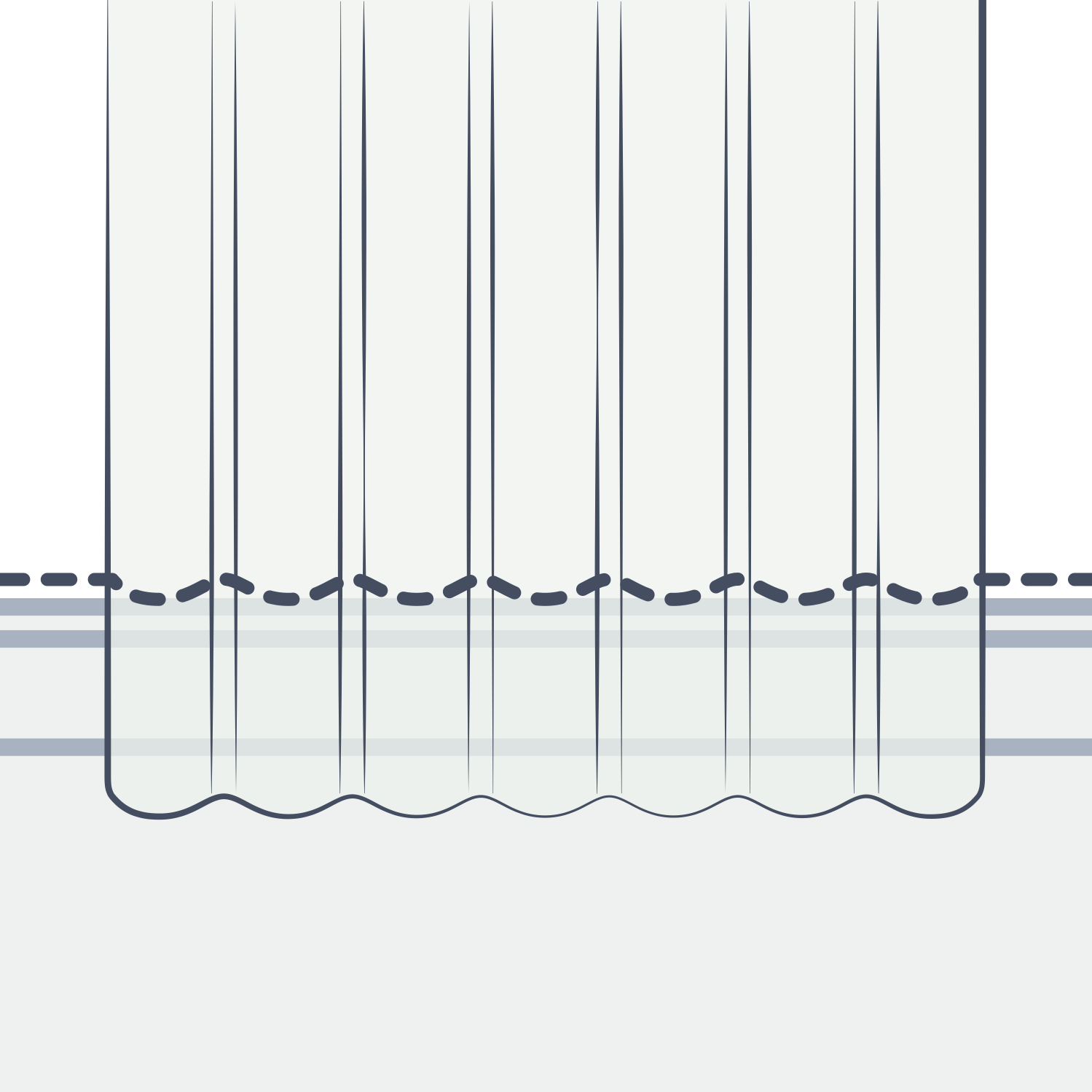
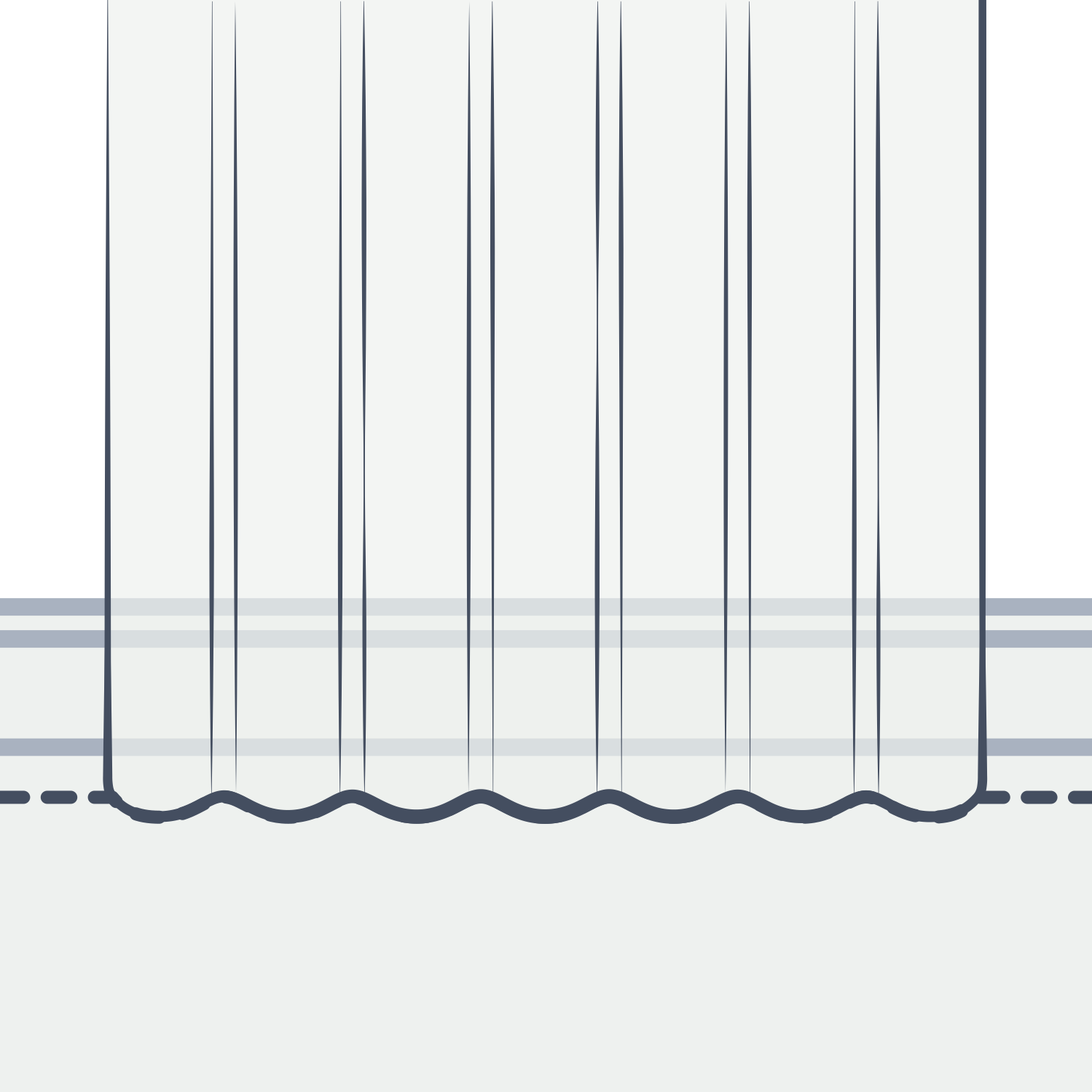
S Fold — Most PopularForms continuous rounded waves along the track and is used with a top (ceiling) fit. It's the deepest heading profile in the range, adding extra volume, for a structured yet soft look.Pencil PleatA flat-stitched heading with fine, closely gathered folds across the top, similar in shape to an S fold. Works well as the rear layer on a double track, often paired with an S Fold front.Double Pinch PleatA traditional flat-stitched heading with fabric pinched into groups, two fabric fingers sewn into each pinch, for a classic, tailored look.Triple Pinch PleatA traditional flat-stitched heading with fabric pinched into groups, three fabric fingers sewn into each pinch, giving a slightly fuller pinch than the double version.Inverted PleatA flat-stitched heading with a flatter front and the fullness folded in behind it, giving folds similar to an S fold. Suits use as a rear curtain, often paired with an S Fold front layer.
Good to know
Pencil and inverted pleats are often used as the rear layer behind an S Fold front on a double curtain.
Motor Selection: Both Tracks
Choose the type of motor for your curtain – battery-powered or hardwired. This decides what else you'll need for power and installation.
2x Battery PoweredA rechargeable motor installed without mains wiring. You'll need a compatible charger to keep it powered.2x Hard WiredA mains-powered motor that a licensed electrician connects. Suits new builds and renovations, where the power can be planned in advance.
Good to know
Battery motors need a compatible charger.
Hardwired motors need a licensed electrician to connect them.
Sheer: Curtain Fullness
Fullness is how much fabric is used compared with the finished curtain width – for example, 200% uses about twice that width. More fullness gives a denser, more folded curtain.
200%Uses about twice the finished curtain width in fabric – the lightest fullness on offer here. The folds sit flatter, giving a simpler, less bulky look when the curtain is closed.225%Uses about 2.25 times the finished curtain width in fabric, a touch fuller than 220% for slightly deeper, more defined folds.250%Uses about 2.5 times the finished curtain width in fabric, producing a full curtain with good body and depth of fold when drawn closed.
Track Colour: Both Tracks
Choose the visible colour of the track itself, separate from your fabric colour. Match it to the ceiling, wall, window frame or other fittings nearby.
WhiteA white track finish that recedes against light-coloured walls and ceilings, keeping the focus on the curtain fabric rather than the track itself.BlackA black track finish, giving a bolder, more visible line above the curtain. Useful where you want to match dark window frames, fittings or other hardware nearby.Anodised SilverA silver-toned track finish. Consider it where you want the track to sit alongside other silver fittings, hardware or trims already in the room, rather than standing out against them.
Height (mm)
Enter the drop in millimetres using the measuring guide for this product and fitting type. Check the intended top fixing position and the bottom finish. Measure each opening separately, even when windows look the same size.
Blockout: Curtain Fullness
Fullness is how much fabric is used compared with the finished curtain width – for example, 200% uses about twice that width. More fullness gives a denser, more folded curtain.
200%Uses about twice the finished curtain width in fabric – the lightest fullness on offer here. The folds sit flatter, giving a simpler, less bulky look when the curtain is closed.225%Uses about 2.25 times the finished curtain width in fabric, a touch fuller than 220% for slightly deeper, more defined folds.250%Uses about 2.5 times the finished curtain width in fabric, producing a full curtain with good body and depth of fold when drawn closed.
Curtain Heading
Choose the style stitched into the top of the curtain, which shapes how it folds and hangs below.
The same heading for both CurtainsBoth layers of the double curtain use the same heading style, keeping the look consistent front and back.Customise heading per curtainPick a different heading style for each layer of a double curtain – for example an S Fold front paired with a pencil pleat or inverted pleat back.
Good to know
Pencil and inverted pleats are often used as the rear layer behind an S Fold front on a double curtain.
Remote
Choose the remote and number of channels for the motors you want to control. A channel can run one motor, or several together as a group.
2 ChannelA compact remote suited to a small number of motors, such as a single track or the two tracks of a double curtain.16 ChannelGives more scope to organise several motorised curtains, for example by room or curtain type, and lets you group several tracks onto one channel to move together.No RemoteChoose this only if you already have a compatible way to operate and set up the motor, such as an existing remote or control system.
Select 'Cassis Volume' Colour
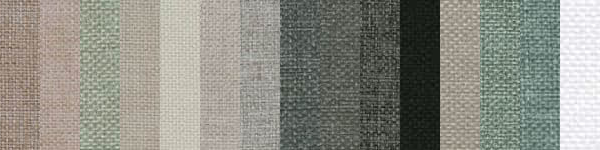
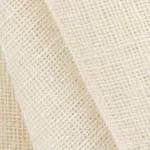
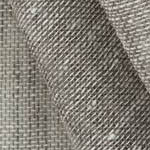
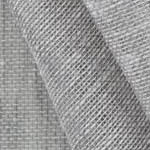
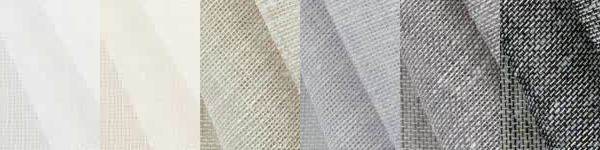
The same linen-look polyester sheer as Cassis, in whites and greys. It filters daylight and softens the view.
SnowPearlDriftwoodSilverAshCharcoal
Fabric details
Type
Linen-look sheer
Composition
Polyester, with a weighted hem
Fabric width
320cm, continuous
Weight
About 142gsm
Flame retardancy
Tested to AS/NZS 1530.2 and 1530.3
Light and privacy
Sheers let daylight through and soften the view. They give some privacy by day, but at night, with lights on inside, people outside can see in. For privacy at night, pair a sheer with a blockout on a second track (double curtains), or choose lined curtains.
Care
Vacuum gently and regularly with a soft brush attachment.
Take off hooks, rings and trims before cleaning.
Hand wash only, in warm water. Do not bleach, rub or wring.
Hang the curtains by their hooks straight away to drip dry in the shade.
Warm iron, no hotter than 150°C.
Can be dry cleaned.
Fabrics can shrink by up to 3% after cleaning.
Before you order
Colour and texture can vary slightly between fabric rolls and samples. Order free samples and look at them in your own light, by day and at night.
Sheer: Curtain Fullness
Fullness is how much fabric is used compared with the finished curtain width – for example, 200% uses about twice that width. More fullness gives a denser, more folded curtain.
250-270%Uses two and a half to about two and three-quarter times the finished width in fabric: the fullest option, for the deepest folds and a luxurious drape.
Hand Drawn Blockout Curtain: Curtain Fullness
Fullness is how much fabric is used compared with the finished curtain width – for example, 200% uses about twice that width. More fullness gives a denser, more folded curtain.
250-270%Uses two and a half to about two and three-quarter times the finished width in fabric: the fullest option, for the deepest folds and a luxurious drape.
Both Tracks: Wand Type
Choose how you'll open and close the curtain by hand: with a wand, or by drawing the fabric itself. Pick a wand length you can reach comfortably from the floor.
No WandNo wand is fitted. You open and close the curtain by drawing the fabric itself.4x 910mm WandA 910mm wand clipped to the leading edge of the curtain. The shorter length suits a standard drop where the handle is easy to reach.4x 1520mm WandA 1520mm wand clipped to the leading edge of the curtain. The longer length keeps the handle within easy reach on a taller drop.
Curtain Stack
Choose which side (or sides) the fabric gathers to when the curtain is open. Pick the side that stays clear of doors, windows or anything else you use often.
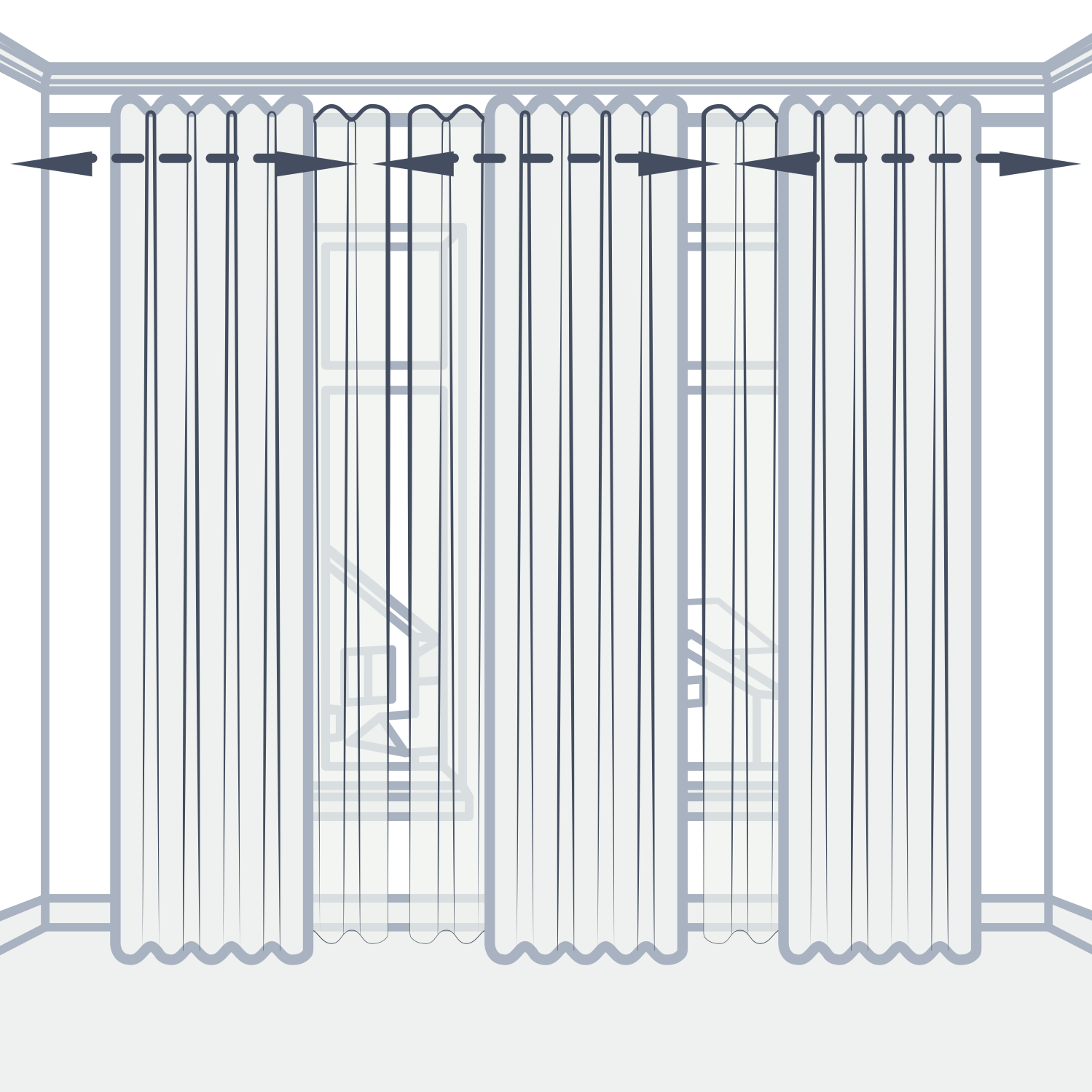
Left StackAll the fabric gathers to the left when you open the curtain. Best when the left side is free of doors or windows you need to open regularly.Right StackAll the fabric gathers to the right when you open the curtain. Best when the right side is free of doors or windows you need to open regularly.Centre OpeningA pair of panels that open from the centre and gather to each side as you draw them open – the classic look for a single window or a wide opening.Multiple OpeningsThe curtain is divided by one or more splits so separate sections can be moved independently – useful for bi-fold or sliding doors where you only want part of the opening clear.
Good to know
On a wall-to-wall window or door, a one-way stack takes up about 30% of the track width, and a centre opening about 15% on each side.
Both Tracks: Wand Type
Choose how you'll open and close the curtain by hand: with a wand, or by drawing the fabric itself. Pick a wand length you can reach comfortably from the floor.
No WandNo wand is fitted. You open and close the curtain by drawing the fabric itself.6x 910mm WandA 910mm wand clipped to the leading edge of the curtain. The shorter length suits a standard drop where the handle is easy to reach.6x 1520mm WandA 1520mm wand clipped to the leading edge of the curtain. The longer length keeps the handle within easy reach on a taller drop.
2nd Track Type
Choose the track profile and how it's controlled. Match it to your fitting position, and remember a motorised curtain needs the motorised track.
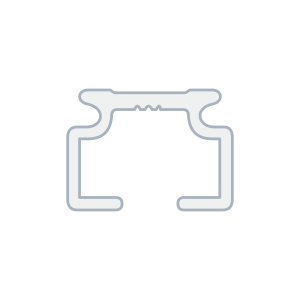
DesignerA track with a plain, straight profile that fixes to the ceiling or wall. The curtains click into it and slide along it, for a clean, unobtrusive line.
Track Flow: Non Motorised Curtain
Choose how the curtain moves on the track. Fixed Flow keeps it opening to the arrangement you've set; Free Flow lets you slide and stack it anywhere along the track.
Fixed FlowThe curtain stacks only to the side(s) you've chosen – for example, a left stack always gathers left, and a centre opening always stacks to both sides.Free FlowFull flexibility to open, close and reposition the curtain anywhere along the track whenever you like, rather than it returning to one fixed stacking arrangement.
Good to know
Motorisation isn't available with Free Flow tracks or with curtains set to multiple openings.
Sheer: Select Curtain Heading Type
Choose the style stitched into the top of the curtain, which shapes how it folds and hangs below.
S Fold — Most PopularForms continuous rounded waves along the track and is used with a top (ceiling) fit. It's the deepest heading profile in the range, adding extra volume, for a structured yet soft look.Pencil PleatA flat-stitched heading with fine, closely gathered folds across the top, similar in shape to an S fold. Works well as the rear layer on a double track, often paired with an S Fold front.Double Pinch PleatA traditional flat-stitched heading with fabric pinched into groups, two fabric fingers sewn into each pinch, for a classic, tailored look.Triple Pinch PleatA traditional flat-stitched heading with fabric pinched into groups, three fabric fingers sewn into each pinch, giving a slightly fuller pinch than the double version.Inverted PleatA flat-stitched heading with a flatter front and the fullness folded in behind it, giving folds similar to an S fold. Suits use as a rear curtain, often paired with an S Fold front layer.
Good to know
Pencil and inverted pleats are often used as the rear layer behind an S Fold front on a double curtain.
Motorised Blockout Curtain: Curtain Fullness
Fullness is how much fabric is used compared with the finished curtain width – for example, 200% uses about twice that width. More fullness gives a denser, more folded curtain.
250-270%Uses two and a half to about two and three-quarter times the finished width in fabric: the fullest option, for the deepest folds and a luxurious drape.
Track Flow: Both Curtains
Choose how the curtain moves on the track. Fixed Flow keeps it opening to the arrangement you've set; Free Flow lets you slide and stack it anywhere along the track.
Fixed FlowThe curtain stacks only to the side(s) you've chosen – for example, a left stack always gathers left, and a centre opening always stacks to both sides.Free FlowFull flexibility to open, close and reposition the curtain anywhere along the track whenever you like, rather than it returning to one fixed stacking arrangement.
Good to know
Motorisation isn't available with Free Flow tracks or with curtains set to multiple openings.
Hand Drawn Blockout Curtain: Curtain Fullness
Fullness is how much fabric is used compared with the finished curtain width – for example, 200% uses about twice that width. More fullness gives a denser, more folded curtain.
200%Uses about twice the finished curtain width in fabric – the lightest fullness on offer here. The folds sit flatter, giving a simpler, less bulky look when the curtain is closed.225%Uses about 2.25 times the finished curtain width in fabric, a touch fuller than 220% for slightly deeper, more defined folds.250%Uses about 2.5 times the finished curtain width in fabric, producing a full curtain with good body and depth of fold when drawn closed.
Both Curtains: Curtain Fullness
Fullness is how much fabric is used compared with the finished curtain width – for example, 200% uses about twice that width. More fullness gives a denser, more folded curtain.
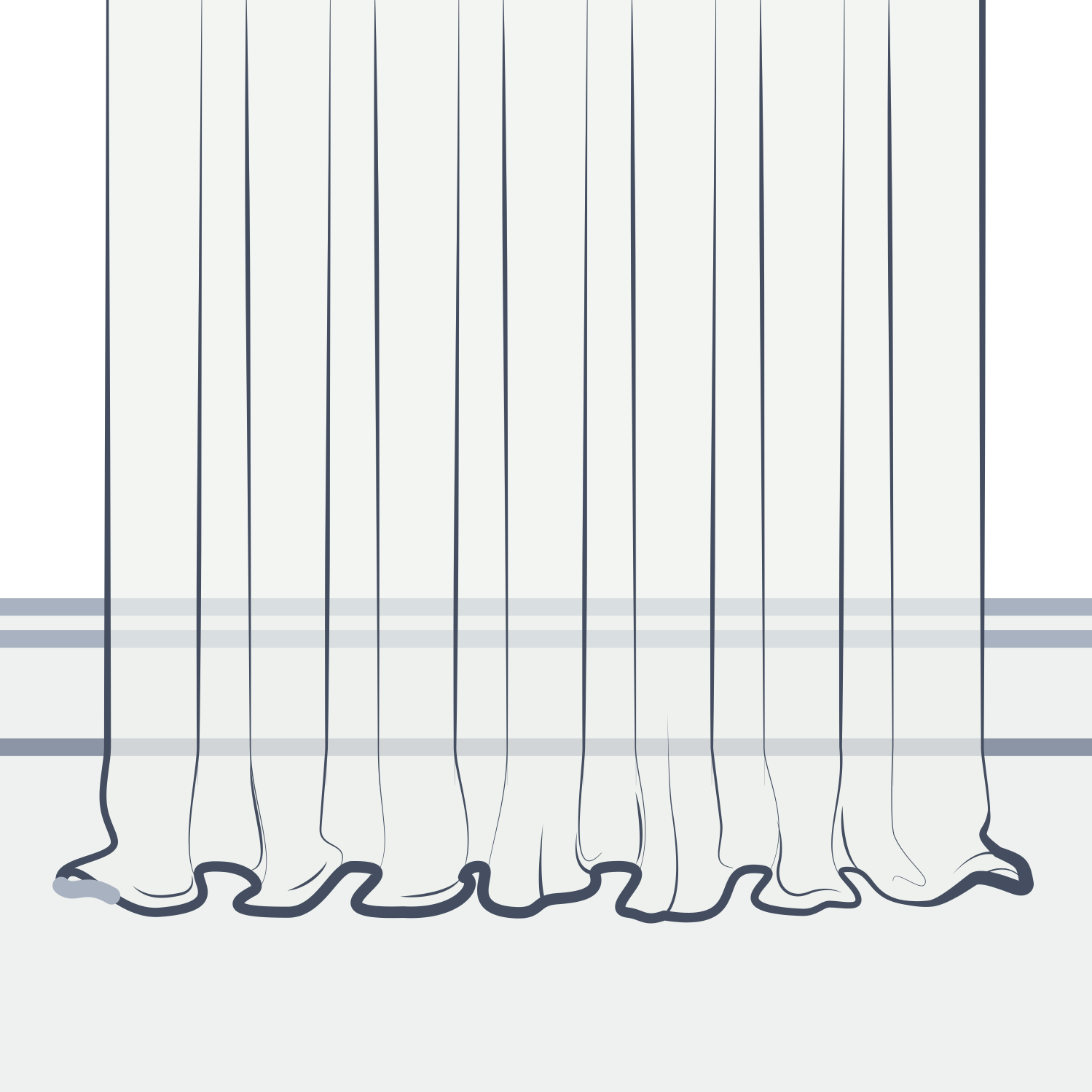
250-270%Uses two and a half to about two and three-quarter times the finished width in fabric: the fullest option, for the deepest folds and a luxurious drape.
Blockout Curtain: Bottom Finish
Choose how the bottom of the curtain meets the floor. Provide your exact drop measurement either way – the adjustment for your chosen finish is made for you.
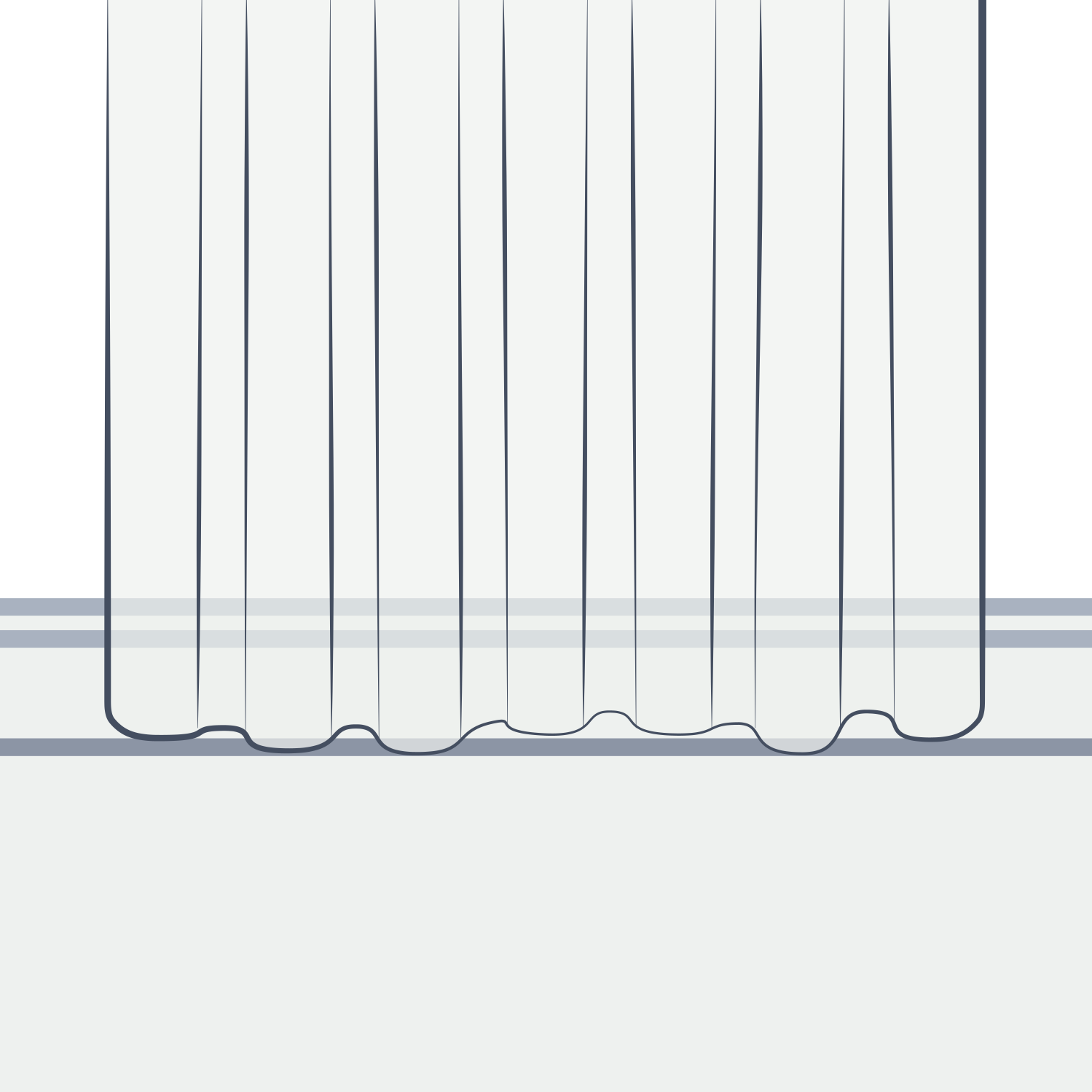
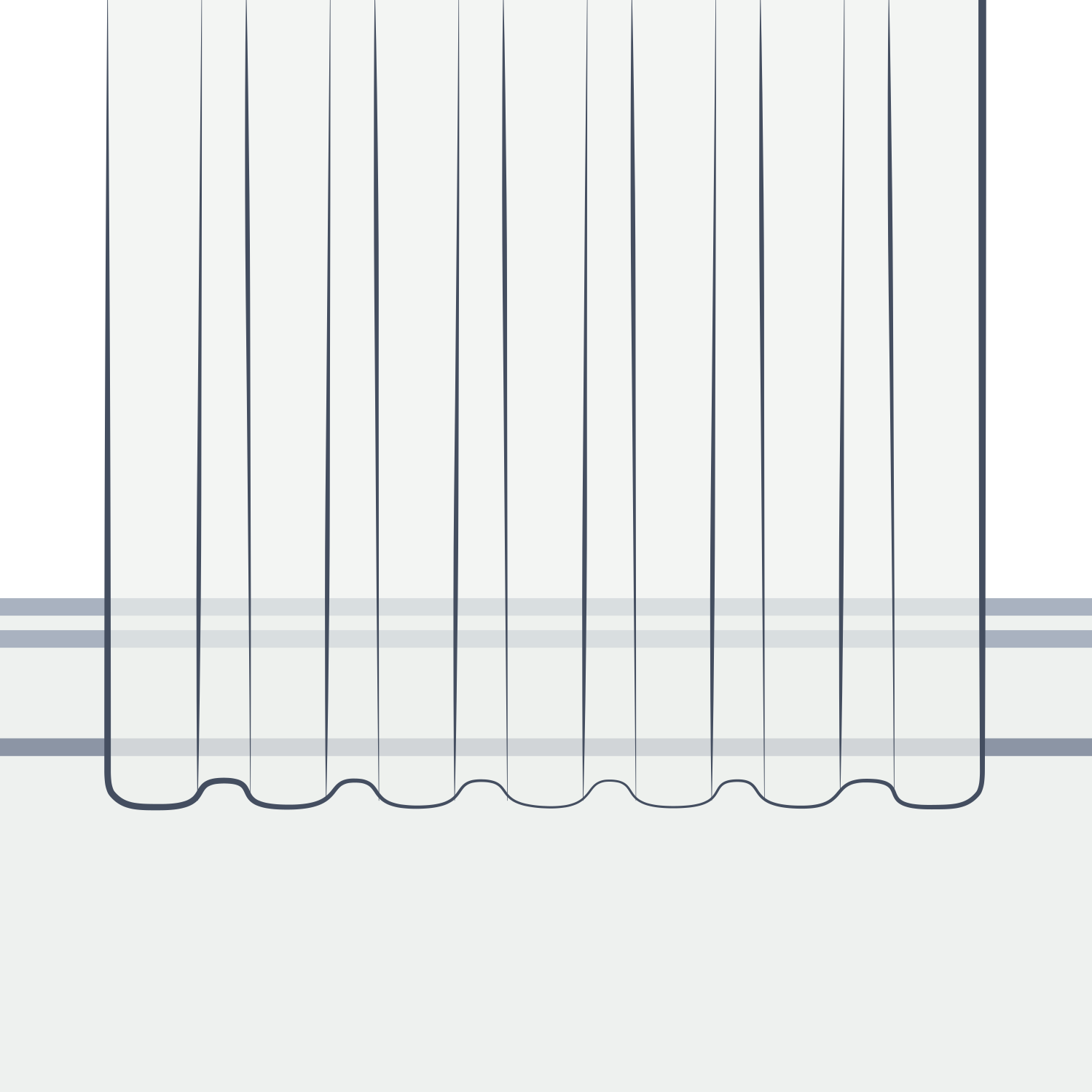
Just off the floorThe curtain ends just above the floor for a neat, classic look. A practical choice with young children, pets or hard floors, as the hem stays clear of dust.Touching the floorThe curtain just skims the floor for a tailored, made-to-measure look, with no gap at the bottom.PuddledExtra fabric gathers and pools on the floor, adding weight and volume. Suits soft drapery fabrics and can help hide a floor or ceiling that's slightly uneven.
Good to know
If your drop readings differ by more than 10mm across the window, consider a puddled finish.
Width (mm)
Enter the width in millimetres using the measuring guide for this product and fitting type. Keep each opening's measurements separate. Check the full width for obstructions and follow the guide before making any fitting deductions.
Select 'Epic' Colour
A blockout fabric coated in three layers (three-pass), so light does not come through the cloth. It hangs as a blockout curtain on its own, and it is also the blockout lining of our lined curtains.
Fabric details
Type
Blockout, three-pass coated
Composition
Polyester with an acrylic backing
Fabric width
150cm or 300cm, continuous
Weight
About 273gsm
Flame retardancy
Tested to AS/NZS 1530.3
Light and privacy
The coated fabric is opaque, so light does not come through the cloth. Some light can still come in around the edges, top and bottom of the curtain.
Care
Vacuum gently and regularly with a soft brush attachment.
Spot clean with care, and test it on a hidden part first.
Do not use a washing machine. Professional wet cleaning with a mild detergent, such as a wool wash, is recommended. If you hand wash, use cool to warm water (40°C at most). Curtains are heavy when wet.
Take off hooks, rings and trims before cleaning.
Do not bleach, soak, rub or wring, and do not tumble dry.
Hang the curtains by their hooks to drip dry in the shade, so the coated sides do not touch. Do not use pegs or fold them over a clothes line.
Iron the fabric side only, never the coated side.
Do not dry clean.
Fabrics can shrink by up to 3% after cleaning.
Before you order
Colour and texture can vary slightly between fabric rolls and samples. Order free samples and look at them in your own light, by day and at night.
Track Colour: Both Tracks
Choose the visible colour of the track itself, separate from your fabric colour. Match it to the ceiling, wall, window frame or other fittings nearby.
WhiteA white track finish that recedes against light-coloured walls and ceilings, keeping the focus on the curtain fabric rather than the track itself.
Motorised Blockout Curtain: Curtain Fullness
Fullness is how much fabric is used compared with the finished curtain width – for example, 200% uses about twice that width. More fullness gives a denser, more folded curtain.
200%Uses about twice the finished curtain width in fabric – the lightest fullness on offer here. The folds sit flatter, giving a simpler, less bulky look when the curtain is closed.225%Uses about 2.25 times the finished curtain width in fabric, a touch fuller than 220% for slightly deeper, more defined folds.250%Uses about 2.5 times the finished curtain width in fabric, producing a full curtain with good body and depth of fold when drawn closed.
Smart Hub
A smart hub adds app-based (and often voice) control for supported motors, on top of the remote. Choose none if you don't need that extra connection.
NoneNo smart hub is added – you'll operate the motor with the remote, or your existing compatible system, only.Add Smart HubAdds app control for your motorised curtains alongside the remote. Check it's compatible with the motor you've chosen.
Track Flow: Both Curtains
Choose how the curtain moves on the track. Fixed Flow keeps it opening to the arrangement you've set; Free Flow lets you slide and stack it anywhere along the track.
Fixed FlowThe curtain stacks only to the side(s) you've chosen – for example, a left stack always gathers left, and a centre opening always stacks to both sides.Free FlowFull flexibility to open, close and reposition the curtain anywhere along the track whenever you like, rather than it returning to one fixed stacking arrangement.
Good to know
Motorisation isn't available with Free Flow tracks or with curtains set to multiple openings.
Curtain Bottom Finish
Choose how the bottom of the curtain meets the floor. Provide your exact drop measurement either way – the adjustment for your chosen finish is made for you.
The same style for both curtainsBoth layers of the double curtain use the same bottom finish, for a consistent line across the window.Customised style per curtainChoose a different bottom finish for each layer of a double curtain – for example, one just off the floor and the other puddled.
Good to know
If your drop readings differ by more than 10mm across the window, consider a puddled finish.
Blockout Curtain: Curtain Fullness
Fullness is how much fabric is used compared with the finished curtain width – for example, 200% uses about twice that width. More fullness gives a denser, more folded curtain.
220%Uses about 2.2 times the finished curtain width in fabric, giving a little more fold and body than 200% while still sitting fairly flat.240%Uses about 2.4 times the finished curtain width in fabric, giving noticeably fuller folds – a good middle-ground choice for many headings.
Both Curtains: Curtain Fullness
Fullness is how much fabric is used compared with the finished curtain width – for example, 200% uses about twice that width. More fullness gives a denser, more folded curtain.
220%Uses about 2.2 times the finished curtain width in fabric, giving a little more fold and body than 200% while still sitting fairly flat.240%Uses about 2.4 times the finished curtain width in fabric, giving noticeably fuller folds – a good middle-ground choice for many headings.
Both Curtains: Curtain Hem
Choose the sewn finish at the bottom of the curtain. The measurement describes the hem's own depth, not extra length to add to your order.
80mm HemAn 80mm-deep sewn hem at the base of the curtain – a mid-depth folded finish giving a neat, tailored edge.100mm HemA 100mm-deep sewn hem at the base of the curtain. It pairs well with skirting boards of the same depth for a coordinated, tailored finish.
Good to know
No need to add extra length for the hem: it's allowed for when your curtain is made.
Track Flow: Non Motorised Curtain
Choose how the curtain moves on the track. Fixed Flow keeps it opening to the arrangement you've set; Free Flow lets you slide and stack it anywhere along the track.
Fixed FlowThe curtain stacks only to the side(s) you've chosen – for example, a left stack always gathers left, and a centre opening always stacks to both sides.Free FlowFull flexibility to open, close and reposition the curtain anywhere along the track whenever you like, rather than it returning to one fixed stacking arrangement.
Good to know
Motorisation isn't available with Free Flow tracks or with curtains set to multiple openings.
Motorised Sheer Curtain: Curtain Fullness
Fullness is how much fabric is used compared with the finished curtain width – for example, 200% uses about twice that width. More fullness gives a denser, more folded curtain.
200%Uses about twice the finished curtain width in fabric – the lightest fullness on offer here. The folds sit flatter, giving a simpler, less bulky look when the curtain is closed.225%Uses about 2.25 times the finished curtain width in fabric, a touch fuller than 220% for slightly deeper, more defined folds.250%Uses about 2.5 times the finished curtain width in fabric, producing a full curtain with good body and depth of fold when drawn closed.
Select 'Cassis' Colour
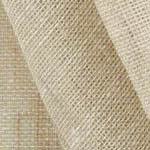
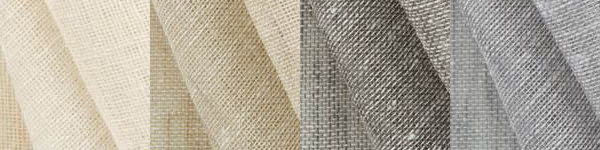
A linen-look polyester sheer with a soft, natural texture. It filters daylight and softens the view.
SandLinenFawnPewter
Fabric details
Type
Linen-look sheer
Composition
Polyester, with a weighted hem
Fabric width
320cm, continuous
Weight
About 142gsm
Flame retardancy
Tested to AS/NZS 1530.2 and 1530.3
Light and privacy
Sheers let daylight through and soften the view. They give some privacy by day, but at night, with lights on inside, people outside can see in. For privacy at night, pair a sheer with a blockout on a second track (double curtains), or choose lined curtains.
Care
Vacuum gently and regularly with a soft brush attachment.
Take off hooks, rings and trims before cleaning.
Hand wash only, in warm water. Do not bleach, rub or wring.
Hang the curtains by their hooks straight away to drip dry in the shade.
Warm iron, no hotter than 150°C.
Can be dry cleaned.
Fabrics can shrink by up to 3% after cleaning.
Before you order
Colour and texture can vary slightly between fabric rolls and samples. Order free samples and look at them in your own light, by day and at night.
Custom Split A (mm)
Enter the custom split position in millimetres using the labelled measuring diagram. A split marks a division between curtain sections; it is not an extra track width. For multiple splits, enter each labelled position from the same reference end shown in the diagram.
Blockout Curtain: Curtain Fullness
Fullness is how much fabric is used compared with the finished curtain width – for example, 200% uses about twice that width. More fullness gives a denser, more folded curtain.
250-270%Uses two and a half to about two and three-quarter times the finished width in fabric: the fullest option, for the deepest folds and a luxurious drape.
Select 'Sheers' Fabric Range
Choose a fabric range, then its colour. All our sheers are linen-look polyester that filters daylight and softens the view.
Cassis VolumeCassisBali
Compare the ranges
Range
Look
Weight
Cassis
Linen-look sheer in warm neutrals
About 142gsm
Cassis Volume
The same sheer as Cassis, in whites and greys
About 142gsm
Bali
Our lightest linen-look sheer, with a light, airy drape
About 97gsm
Light and privacy
Sheers let daylight through and soften the view. They give some privacy by day, but at night, with lights on inside, people outside can see in. For privacy at night, pair a sheer with a blockout on a second track (double curtains), or choose lined curtains.
Care
Vacuum gently and regularly with a soft brush attachment.
Take off hooks, rings and trims before cleaning.
Hand wash only, in warm water. Do not bleach, rub or wring.
Hang the curtains by their hooks straight away to drip dry in the shade.
Warm iron, no hotter than 150°C.
Can be dry cleaned.
Fabrics can shrink by up to 3% after cleaning.
Before you order
Colour and texture can vary slightly between fabric rolls and samples. Order free samples and look at them in your own light, by day and at night.
Charger
Choose how many chargers you need for your battery-powered motors. A hardwired motor doesn't need one.
ChargerA charger to keep a battery-powered motor topped up. Add one if you don't already have a compatible charger, and check the model matches your motor before reusing an old one.Not NeededNo charger required – typically because your motor is hardwired, or you already have compatible charging equipment.
Good to know
A hardwired motor doesn't need a battery charger.
2nd Track Type
Choose the track profile and how it's controlled. Match it to your fitting position, and remember a motorised curtain needs the motorised track.
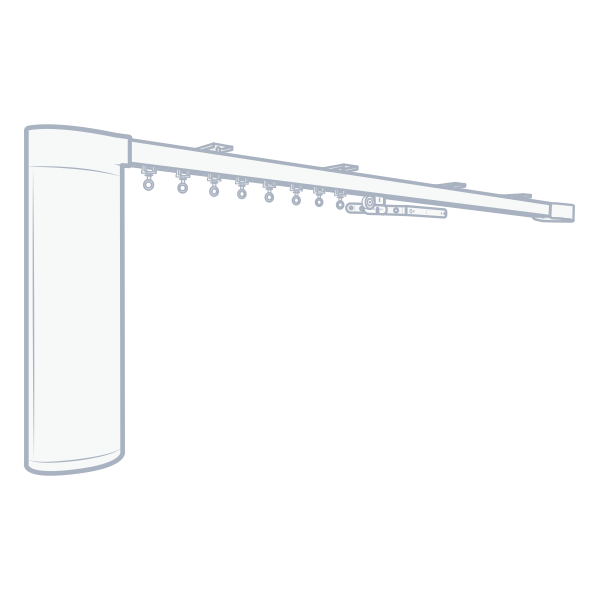
MotorisedThe track built for a motor. Choose it whenever the curtain will be opened and closed by the motor rather than a wand or by hand.
Hand Drawn Sheer Curtain: Curtain Fullness
Fullness is how much fabric is used compared with the finished curtain width – for example, 200% uses about twice that width. More fullness gives a denser, more folded curtain.
250-270%Uses two and a half to about two and three-quarter times the finished width in fabric: the fullest option, for the deepest folds and a luxurious drape.
Select 'Bali' Colour
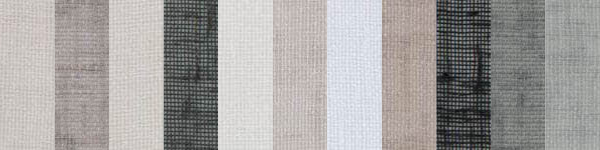
Our lightest linen-look polyester sheer, with a light, airy drape. It filters daylight and softens the view.
Fabric details
Type
Linen-look sheer
Composition
Polyester, with a weighted hem
Fabric width
330cm, continuous
Weight
About 97gsm
Flame retardancy
Tested to AS/NZS 1530.2 and 1530.3
Light and privacy
Sheers let daylight through and soften the view. They give some privacy by day, but at night, with lights on inside, people outside can see in. For privacy at night, pair a sheer with a blockout on a second track (double curtains), or choose lined curtains.
Care
Vacuum gently and regularly with a soft brush attachment.
Take off hooks, rings and trims before cleaning.
Hand wash only, in warm water. Do not bleach, rub or wring.
Hang the curtains by their hooks straight away to drip dry in the shade.
Warm iron, no hotter than 150°C.
Can be dry cleaned.
Fabrics can shrink by up to 3% after cleaning.
Before you order
Colour and texture can vary slightly between fabric rolls and samples. Order free samples and look at them in your own light, by day and at night.
Track Colour: Non Motorised Track
Choose the visible colour of the track itself, separate from your fabric colour. Match it to the ceiling, wall, window frame or other fittings nearby.
WhiteA white track finish that recedes against light-coloured walls and ceilings, keeping the focus on the curtain fabric rather than the track itself.BlackA black track finish, giving a bolder, more visible line above the curtain. Useful where you want to match dark window frames, fittings or other hardware nearby.Anodised SilverA silver-toned track finish. Consider it where you want the track to sit alongside other silver fittings, hardware or trims already in the room, rather than standing out against them.
Sheer Curtain: Curtain Fullness
Fullness is how much fabric is used compared with the finished curtain width – for example, 200% uses about twice that width. More fullness gives a denser, more folded curtain.
250-270% (Recommended)Uses two and a half to about two and three-quarter times the finished width in fabric: the fullest option, for the deepest folds and a luxurious drape.
Sheer: Curtain Fullness
Fullness is how much fabric is used compared with the finished curtain width – for example, 200% uses about twice that width. More fullness gives a denser, more folded curtain.
220%Uses about 2.2 times the finished curtain width in fabric, giving a little more fold and body than 200% while still sitting fairly flat.240%Uses about 2.4 times the finished curtain width in fabric, giving noticeably fuller folds – a good middle-ground choice for many headings.
Blockout Curtain Bottom Hem
Choose the sewn finish at the bottom of the curtain. The measurement describes the hem's own depth, not extra length to add to your order.
80mm HemAn 80mm-deep sewn hem at the base of the curtain – a mid-depth folded finish giving a neat, tailored edge.100mm HemA 100mm-deep sewn hem at the base of the curtain. It pairs well with skirting boards of the same depth for a coordinated, tailored finish.
Good to know
No need to add extra length for the hem: it's allowed for when your curtain is made.
Custom Split B (mm)
Enter the custom split position in millimetres using the labelled measuring diagram. A split marks a division between curtain sections; it is not an extra track width. For multiple splits, enter each labelled position from the same reference end shown in the diagram.
Track Type
Choose the track profile and how it's controlled. Match it to your fitting position, and remember a motorised curtain needs the motorised track.
DesignerA track with a plain, straight profile that fixes to the ceiling or wall. The curtains click into it and slide along it, for a clean, unobtrusive line.MotorisedThe track built for a motor. Choose it whenever the curtain will be opened and closed by the motor rather than a wand or by hand.
Motorised Sheer Curtain: Curtain Fullness
Fullness is how much fabric is used compared with the finished curtain width – for example, 200% uses about twice that width. More fullness gives a denser, more folded curtain.
250-270%Uses two and a half to about two and three-quarter times the finished width in fabric: the fullest option, for the deepest folds and a luxurious drape.
Motorised Blockout Curtain: Curtain Fullness
Fullness is how much fabric is used compared with the finished curtain width – for example, 200% uses about twice that width. More fullness gives a denser, more folded curtain.
220%Uses about 2.2 times the finished curtain width in fabric, giving a little more fold and body than 200% while still sitting fairly flat.240%Uses about 2.4 times the finished curtain width in fabric, giving noticeably fuller folds – a good middle-ground choice for many headings.
Track Flow: Non Motorised Curtain
Choose how the curtain moves on the track. Fixed Flow keeps it opening to the arrangement you've set; Free Flow lets you slide and stack it anywhere along the track.
Fixed FlowThe curtain stacks only to the side(s) you've chosen – for example, a left stack always gathers left, and a centre opening always stacks to both sides.Free FlowFull flexibility to open, close and reposition the curtain anywhere along the track whenever you like, rather than it returning to one fixed stacking arrangement.
Good to know
Motorisation isn't available with Free Flow tracks or with curtains set to multiple openings.
Both Curtains: Curtain Fullness
Fullness is how much fabric is used compared with the finished curtain width – for example, 200% uses about twice that width. More fullness gives a denser, more folded curtain.
200%Uses about twice the finished curtain width in fabric – the lightest fullness on offer here. The folds sit flatter, giving a simpler, less bulky look when the curtain is closed.225%Uses about 2.25 times the finished curtain width in fabric, a touch fuller than 220% for slightly deeper, more defined folds.250%Uses about 2.5 times the finished curtain width in fabric, producing a full curtain with good body and depth of fold when drawn closed.
Track Flow: Both Curtains
Choose how the curtain moves on the track. Fixed Flow keeps it opening to the arrangement you've set; Free Flow lets you slide and stack it anywhere along the track.
Fixed FlowThe curtain stacks only to the side(s) you've chosen – for example, a left stack always gathers left, and a centre opening always stacks to both sides.Free FlowFull flexibility to open, close and reposition the curtain anywhere along the track whenever you like, rather than it returning to one fixed stacking arrangement.
Good to know
Motorisation isn't available with Free Flow tracks or with curtains set to multiple openings.
Motorised Blockout Curtain: Curtain Fullness
Fullness is how much fabric is used compared with the finished curtain width – for example, 200% uses about twice that width. More fullness gives a denser, more folded curtain.
200%Uses about twice the finished curtain width in fabric – the lightest fullness on offer here. The folds sit flatter, giving a simpler, less bulky look when the curtain is closed.225%Uses about 2.25 times the finished curtain width in fabric, a touch fuller than 220% for slightly deeper, more defined folds.250%Uses about 2.5 times the finished curtain width in fabric, producing a full curtain with good body and depth of fold when drawn closed.
Sheer Curtain Bottom Hem
Choose the sewn finish at the bottom of the curtain. The measurement describes the hem's own depth, not extra length to add to your order.
Weighted HemA hidden weight is used instead of a deep folded hem, helping the curtain hang straight. This style is typically used with sheer fabric and suits taller drops.80mm HemAn 80mm-deep sewn hem at the base of the curtain – a mid-depth folded finish giving a neat, tailored edge.100mm HemA 100mm-deep sewn hem at the base of the curtain. It pairs well with skirting boards of the same depth for a coordinated, tailored finish.
Good to know
No need to add extra length for the hem: it's allowed for when your curtain is made.
Motorised Sheer Curtain: Curtain Fullness
Fullness is how much fabric is used compared with the finished curtain width – for example, 200% uses about twice that width. More fullness gives a denser, more folded curtain.
220%Uses about 2.2 times the finished curtain width in fabric, giving a little more fold and body than 200% while still sitting fairly flat.240%Uses about 2.4 times the finished curtain width in fabric, giving noticeably fuller folds – a good middle-ground choice for many headings.
Track Colour: Non-Motorised Track
Choose the visible colour of the track itself, separate from your fabric colour. Match it to the ceiling, wall, window frame or other fittings nearby.
WhiteA white track finish that recedes against light-coloured walls and ceilings, keeping the focus on the curtain fabric rather than the track itself.BlackA black track finish, giving a bolder, more visible line above the curtain. Useful where you want to match dark window frames, fittings or other hardware nearby.
Track Colour: Non Motorised Track
Choose the visible colour of the track itself, separate from your fabric colour. Match it to the ceiling, wall, window frame or other fittings nearby.
WhiteA white track finish that recedes against light-coloured walls and ceilings, keeping the focus on the curtain fabric rather than the track itself.BlackA black track finish, giving a bolder, more visible line above the curtain. Useful where you want to match dark window frames, fittings or other hardware nearby.Anodised SilverA silver-toned track finish. Consider it where you want the track to sit alongside other silver fittings, hardware or trims already in the room, rather than standing out against them.
Blockout: Select Curtain Heading Type
Choose the style stitched into the top of the curtain, which shapes how it folds and hangs below.
S Fold — Most PopularForms continuous rounded waves along the track and is used with a top (ceiling) fit. It's the deepest heading profile in the range, adding extra volume, for a structured yet soft look.Pencil PleatA flat-stitched heading with fine, closely gathered folds across the top, similar in shape to an S fold. Works well as the rear layer on a double track, often paired with an S Fold front.Double Pinch PleatA traditional flat-stitched heading with fabric pinched into groups, two fabric fingers sewn into each pinch, for a classic, tailored look.Triple Pinch PleatA traditional flat-stitched heading with fabric pinched into groups, three fabric fingers sewn into each pinch, giving a slightly fuller pinch than the double version.Inverted PleatA flat-stitched heading with a flatter front and the fullness folded in behind it, giving folds similar to an S fold. Suits use as a rear curtain, often paired with an S Fold front layer.
Good to know
Pencil and inverted pleats are often used as the rear layer behind an S Fold front on a double curtain.
Hand Drawn Blockout Curtain: Curtain Fullness
Fullness is how much fabric is used compared with the finished curtain width – for example, 200% uses about twice that width. More fullness gives a denser, more folded curtain.
200%Uses about twice the finished curtain width in fabric – the lightest fullness on offer here. The folds sit flatter, giving a simpler, less bulky look when the curtain is closed.225%Uses about 2.25 times the finished curtain width in fabric, a touch fuller than 220% for slightly deeper, more defined folds.250%Uses about 2.5 times the finished curtain width in fabric, producing a full curtain with good body and depth of fold when drawn closed.
Blockout: Curtain Fullness
Fullness is how much fabric is used compared with the finished curtain width – for example, 200% uses about twice that width. More fullness gives a denser, more folded curtain.
220%Uses about 2.2 times the finished curtain width in fabric, giving a little more fold and body than 200% while still sitting fairly flat.240%Uses about 2.4 times the finished curtain width in fabric, giving noticeably fuller folds – a good middle-ground choice for many headings.
Track Flow: Non Motorised Curtain
Choose how the curtain moves on the track. Fixed Flow keeps it opening to the arrangement you've set; Free Flow lets you slide and stack it anywhere along the track.
Fixed FlowThe curtain stacks only to the side(s) you've chosen – for example, a left stack always gathers left, and a centre opening always stacks to both sides.Free FlowFull flexibility to open, close and reposition the curtain anywhere along the track whenever you like, rather than it returning to one fixed stacking arrangement.
Good to know
Motorisation isn't available with Free Flow tracks or with curtains set to multiple openings.
Track Flow: Both Curtains
Choose how the curtain moves on the track. Fixed Flow keeps it opening to the arrangement you've set; Free Flow lets you slide and stack it anywhere along the track.
Fixed FlowThe curtain stacks only to the side(s) you've chosen – for example, a left stack always gathers left, and a centre opening always stacks to both sides.Free FlowFull flexibility to open, close and reposition the curtain anywhere along the track whenever you like, rather than it returning to one fixed stacking arrangement.
Good to know
Motorisation isn't available with Free Flow tracks or with curtains set to multiple openings.
Motorised Sheer Curtain: Curtain Fullness
Fullness is how much fabric is used compared with the finished curtain width – for example, 200% uses about twice that width. More fullness gives a denser, more folded curtain.
200%Uses about twice the finished curtain width in fabric – the lightest fullness on offer here. The folds sit flatter, giving a simpler, less bulky look when the curtain is closed.225%Uses about 2.25 times the finished curtain width in fabric, a touch fuller than 220% for slightly deeper, more defined folds.250%Uses about 2.5 times the finished curtain width in fabric, producing a full curtain with good body and depth of fold when drawn closed.
Hand Drawn Sheer Curtain: Curtain Fullness
Fullness is how much fabric is used compared with the finished curtain width – for example, 200% uses about twice that width. More fullness gives a denser, more folded curtain.
200%Uses about twice the finished curtain width in fabric – the lightest fullness on offer here. The folds sit flatter, giving a simpler, less bulky look when the curtain is closed.225%Uses about 2.25 times the finished curtain width in fabric, a touch fuller than 220% for slightly deeper, more defined folds.250%Uses about 2.5 times the finished curtain width in fabric, producing a full curtain with good body and depth of fold when drawn closed.
Both Tracks: Wand Type
Choose how you'll open and close the curtain by hand: with a wand, or by drawing the fabric itself. Pick a wand length you can reach comfortably from the floor.
No WandNo wand is fitted. You open and close the curtain by drawing the fabric itself.2x 910mm WandA 910mm wand clipped to the leading edge of the curtain. The shorter length suits a standard drop where the handle is easy to reach.2x 1520mm WandA 1520mm wand clipped to the leading edge of the curtain. The longer length keeps the handle within easy reach on a taller drop.
Blockout: Curtain Fullness
Fullness is how much fabric is used compared with the finished curtain width – for example, 200% uses about twice that width. More fullness gives a denser, more folded curtain.
250-270%Uses two and a half to about two and three-quarter times the finished width in fabric: the fullest option, for the deepest folds and a luxurious drape.
Double Curtain Type
For a double (layered) curtain, this confirms the two fabric types being combined on the double track.
Sheer and BlockoutA layered pair on a double track: sheer fabric for daytime light and privacy, and blockout for full light block and darkness. Each curtain opens and closes independently.
Curtain Stack: Non Motorised Curtain
Choose which side (or sides) the fabric gathers to when the curtain is open. Pick the side that stays clear of doors, windows or anything else you use often.
Left StackAll the fabric gathers to the left when you open the curtain. Best when the left side is free of doors or windows you need to open regularly.Right StackAll the fabric gathers to the right when you open the curtain. Best when the right side is free of doors or windows you need to open regularly.Centre OpeningA pair of panels that open from the centre and gather to each side as you draw them open – the classic look for a single window or a wide opening.Multiple OpeningsThe curtain is divided by one or more splits so separate sections can be moved independently – useful for bi-fold or sliding doors where you only want part of the opening clear.
Good to know
On a wall-to-wall window or door, a one-way stack takes up about 30% of the track width, and a centre opening about 15% on each side.
Non Motorised Track: Wand Type
Choose how you'll open and close the curtain by hand: with a wand, or by drawing the fabric itself. Pick a wand length you can reach comfortably from the floor.
No WandNo wand is fitted. You open and close the curtain by drawing the fabric itself.2x 910mm WandA 910mm wand clipped to the leading edge of the curtain. The shorter length suits a standard drop where the handle is easy to reach.2x 1520mm WandA 1520mm wand clipped to the leading edge of the curtain. The longer length keeps the handle within easy reach on a taller drop.
Curtain Hem
Choose the sewn finish at the bottom of the curtain. The measurement describes the hem's own depth, not extra length to add to your order.
The same style for both curtainsBoth layers of the double curtain use the same hem finish, for a consistent look front and back.Customised style per curtainChoose a different hem finish for each layer of a double curtain.
Good to know
No need to add extra length for the hem: it's allowed for when your curtain is made.
Hand Drawn Sheer Curtain: Curtain Fullness
Fullness is how much fabric is used compared with the finished curtain width – for example, 200% uses about twice that width. More fullness gives a denser, more folded curtain.
250-270%Uses two and a half to about two and three-quarter times the finished width in fabric: the fullest option, for the deepest folds and a luxurious drape.
Non Motorised Track: Wand Type
Choose how you'll open and close the curtain by hand: with a wand, or by drawing the fabric itself. Pick a wand length you can reach comfortably from the floor.
No WandNo wand is fitted. You open and close the curtain by drawing the fabric itself.1x 910mm WandA 910mm wand clipped to the leading edge of the curtain. The shorter length suits a standard drop where the handle is easy to reach.1x 1520mm WandA 1520mm wand clipped to the leading edge of the curtain. The longer length keeps the handle within easy reach on a taller drop.
Choose Curtain to be Motorised
For a double curtain with motorisation, choose which layer – sheer or blockout – is the one that's motorised.
Sheer CurtainThe sheer layer is fitted with the motor, so you can open and close it at the touch of a button while the other layer stays manual.Blockout CurtainThe blockout layer is fitted with the motor, so you can open and close it at the touch of a button while the other layer stays manual.
Both Motorised Curtains: Curtain Fullness
Fullness is how much fabric is used compared with the finished curtain width – for example, 200% uses about twice that width. More fullness gives a denser, more folded curtain.
250-270%Uses two and a half to about two and three-quarter times the finished width in fabric: the fullest option, for the deepest folds and a luxurious drape.
Both Motorised Curtains: Curtain Fullness
Fullness is how much fabric is used compared with the finished curtain width – for example, 200% uses about twice that width. More fullness gives a denser, more folded curtain.
220%Uses about 2.2 times the finished curtain width in fabric, giving a little more fold and body than 200% while still sitting fairly flat.240%Uses about 2.4 times the finished curtain width in fabric, giving noticeably fuller folds – a good middle-ground choice for many headings.
Window Name
Give this window a name you will recognise, such as Bedroom left. Use a different name for each opening so the measurements and options can be checked against the correct window.
Sheer Curtain: Bottom Finish
Choose how the bottom of the curtain meets the floor. Provide your exact drop measurement either way – the adjustment for your chosen finish is made for you.
Just off the floorThe curtain ends just above the floor for a neat, classic look. A practical choice with young children, pets or hard floors, as the hem stays clear of dust.Touching the floorThe curtain just skims the floor for a tailored, made-to-measure look, with no gap at the bottom.PuddledExtra fabric gathers and pools on the floor, adding weight and volume. Suits soft drapery fabrics and can help hide a floor or ceiling that's slightly uneven.
Good to know
If your drop readings differ by more than 10mm across the window, consider a puddled finish.
2nd Track Type
Choose the track profile and how it's controlled. Match it to your fitting position, and remember a motorised curtain needs the motorised track.
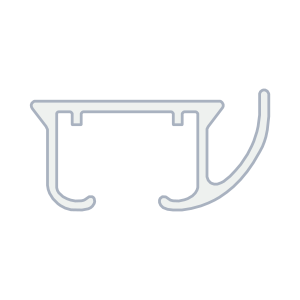
DesignerA track with a plain, straight profile that fixes to the ceiling or wall. The curtains click into it and slide along it, for a clean, unobtrusive line.Half MoonA track with a curved front edge that fixes to the ceiling or wall. The curtains click into it and slide along it. It costs a little more than the Designer track.
Track Type
Choose the track profile and how it's controlled. Match it to your fitting position, and remember a motorised curtain needs the motorised track.
DesignerA track with a plain, straight profile that fixes to the ceiling or wall. The curtains click into it and slide along it, for a clean, unobtrusive line.Half Moon ($)A track with a curved front edge that fixes to the ceiling or wall. The curtains click into it and slide along it. It costs a little more than the Designer track.MotorisedThe track built for a motor. Choose it whenever the curtain will be opened and closed by the motor rather than a wand or by hand.
Curtain Position
Choose how the track sits relative to your walls: running wall to wall, or made to your exact measurement so it frames the window.
StandardThe track is made to your exact measurement so it frames the window, rather than running wall to wall. Used when you've added the recommended allowance to frame the window.Wall to WallThe track runs between your walls or cornices; a small deduction is made so it fits snugly. This is the ideal fit for a ceiling-fit curtain.
Good to know
If you want a ceiling-fit curtain that frames the window rather than running wall to wall, the measuring guide explains how much to add to your window width.
Two tracks meeting in a 90° corner? The measuring guide shows how much to take off the butting track.
Hand Drawn Blockout Curtain: Curtain Fullness
Fullness is how much fabric is used compared with the finished curtain width – for example, 200% uses about twice that width. More fullness gives a denser, more folded curtain.
220%Uses about 2.2 times the finished curtain width in fabric, giving a little more fold and body than 200% while still sitting fairly flat.240%Uses about 2.4 times the finished curtain width in fabric, giving noticeably fuller folds – a good middle-ground choice for many headings.
Track Colour: Motorised Track
Choose the visible colour of the track itself, separate from your fabric colour. Match it to the ceiling, wall, window frame or other fittings nearby.
WhiteA white track finish that recedes against light-coloured walls and ceilings, keeping the focus on the curtain fabric rather than the track itself.
Hand Drawn Sheer Curtain: Curtain Fullness
Fullness is how much fabric is used compared with the finished curtain width – for example, 200% uses about twice that width. More fullness gives a denser, more folded curtain.
200%Uses about twice the finished curtain width in fabric – the lightest fullness on offer here. The folds sit flatter, giving a simpler, less bulky look when the curtain is closed.225%Uses about 2.25 times the finished curtain width in fabric, a touch fuller than 220% for slightly deeper, more defined folds.250%Uses about 2.5 times the finished curtain width in fabric, producing a full curtain with good body and depth of fold when drawn closed.
Hand Drawn Sheer Curtain: Curtain Fullness
Fullness is how much fabric is used compared with the finished curtain width – for example, 200% uses about twice that width. More fullness gives a denser, more folded curtain.
220%Uses about 2.2 times the finished curtain width in fabric, giving a little more fold and body than 200% while still sitting fairly flat.240%Uses about 2.4 times the finished curtain width in fabric, giving noticeably fuller folds – a good middle-ground choice for many headings.
Curtain Stack
Choose which side (or sides) the fabric gathers to when the curtain is open. Pick the side that stays clear of doors, windows or anything else you use often.
Left StackAll the fabric gathers to the left when you open the curtain. Best when the left side is free of doors or windows you need to open regularly.Right StackAll the fabric gathers to the right when you open the curtain. Best when the right side is free of doors or windows you need to open regularly.Centre OpeningA pair of panels that open from the centre and gather to each side as you draw them open – the classic look for a single window or a wide opening.
Good to know
On a wall-to-wall window or door, a one-way stack takes up about 30% of the track width, and a centre opening about 15% on each side.
Both Curtains: Bottom Finish
Choose how the bottom of the curtain meets the floor. Provide your exact drop measurement either way – the adjustment for your chosen finish is made for you.
Just off the floorThe curtain ends just above the floor for a neat, classic look. A practical choice with young children, pets or hard floors, as the hem stays clear of dust.Touching the floorThe curtain just skims the floor for a tailored, made-to-measure look, with no gap at the bottom.PuddledExtra fabric gathers and pools on the floor, adding weight and volume. Suits soft drapery fabrics and can help hide a floor or ceiling that's slightly uneven.
Good to know
If your drop readings differ by more than 10mm across the window, consider a puddled finish.
Non Motorised Track: Wand Type
Choose how you'll open and close the curtain by hand: with a wand, or by drawing the fabric itself. Pick a wand length you can reach comfortably from the floor.
No WandNo wand is fitted. You open and close the curtain by drawing the fabric itself.3x 910mm WandA 910mm wand clipped to the leading edge of the curtain. The shorter length suits a standard drop where the handle is easy to reach.3x 1520mm WandA 1520mm wand clipped to the leading edge of the curtain. The longer length keeps the handle within easy reach on a taller drop.
Warranty & guarantees
Product backing and measurement protection are different promises.
The product warranty covers eligible manufacturing, material and component issues. SureFit™ is the measurement-protection pathway for eligible customer measuring errors.
Product warranty
Built and backed
Roller blinds include a five-year product warranty covering eligible materials, mechanisms and components. Motor warranty periods vary.
SureFit™
Measurement protection
For eligible orders measured according to the relevant guide, SureFit™ provides the stated remake pathway when a covered measurement error occurs.